
History and Origins of Herbal Hydrosols for Immune Support
Introduction
Herbal hydrosols, often referred to as floral waters, have played a significant role in traditional medicine and holistic practices for centuries. Derived from the steam distillation of plant materials, these aromatic waters capture the essence of the plant while retaining many of its beneficial properties. In contemporary settings, herbal hydrosols are increasingly recognized for their potential to support immune health. This article delves into the fascinating history and origins of herbal hydrosols, particularly in relation to their use for immune support.
What Are Herbal Hydrosols for Immune Support?
Hydrosols are by-products of the essential oil distillation process and contain water-soluble components of the plant, including hydrophilic (water-loving) compounds and a small amount of essential oil. Unlike essential oils, which are highly concentrated and potent, hydrosols are milder and can be used more broadly in various applications.
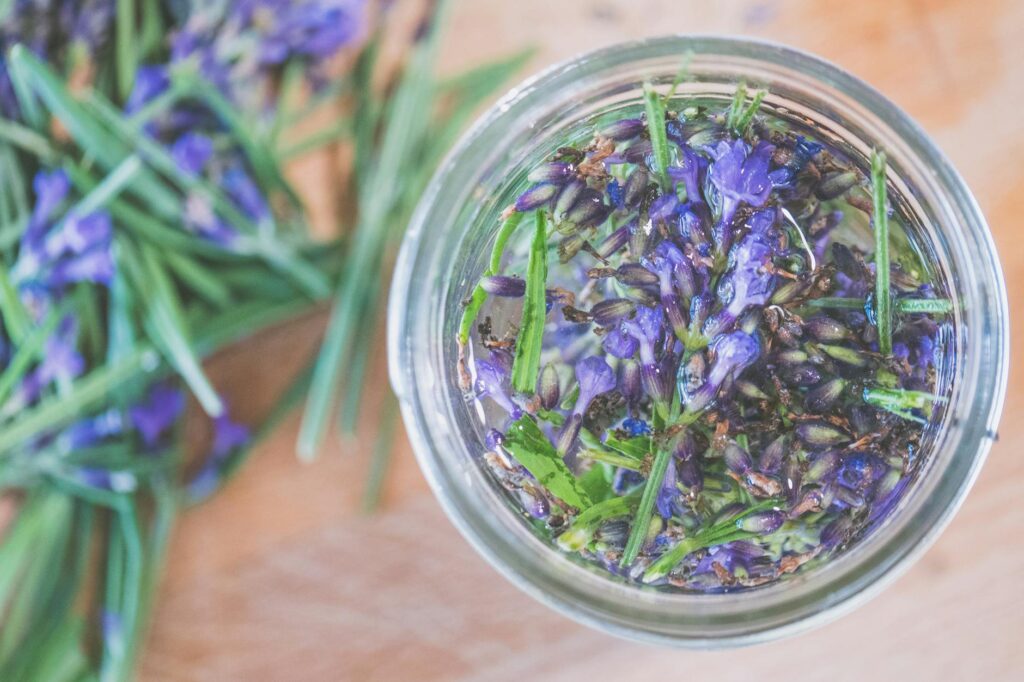
Herbal hydrosols used for immune support often originate from plants known for their medicinal properties. Common examples include eucalyptus, lavender, thyme, and peppermint. These hydrosols can be used in various forms, such as sprays, compresses, or incorporated into skincare products, making them versatile tools for enhancing overall wellness.
Key Benefits and Properties
Herbal hydrosols possess a range of properties that may contribute to immune support:
- Antimicrobial Effects: Many hydrosols contain compounds that exhibit antimicrobial activity, helping to combat various pathogens. For instance, thyme hydrosol has been noted for its potential to inhibit the growth of certain bacteria.
- Anti-Inflammatory Properties: Inflammation can compromise immune function. Hydrosols like chamomile and lavender are known for their anti-inflammatory properties, which may help to soothe the body during periods of immune stress.
- Calming Effects: Stress is often linked to weakened immune response. The calming properties of hydrosols such as lavender can assist in alleviating anxiety and promoting relaxation, indirectly supporting immune health.
- Respiratory Support: Certain hydrosols, like eucalyptus, are traditionally used to support respiratory health, which is crucial during illness. Their aromatic compounds can help clear the airways and promote easier breathing.
- Facial Mists: Spraying hydrosols on the face can provide a refreshing and hydrating effect while delivering beneficial properties to the skin.
- Compresses: Soaking a cloth in a hydrosol and applying it to areas of discomfort can offer localized support. For example, a thyme hydrosol compress may be used on the chest to aid respiratory comfort.
- Bath Additives: Adding hydrosols to bathwater can enhance relaxation and provide soothing benefits for the skin.
- Household Cleaning: Some hydrosols, such as tea tree and eucalyptus, can be used in DIY cleaning solutions, taking advantage of their antimicrobial properties.
- Diffusion: Hydrosols can be diffused in the air to create a calming atmosphere and promote emotional well-being.
- Room Sprays: A mixture of hydrosol and water in a spray bottle can be used as a natural air freshener, infusing spaces with pleasant aromas while potentially providing health benefits.
- Massage Oils: Hydrosols can be combined with carrier oils for use in massage, delivering both the physical benefits of touch and the aromatic properties of the hydrosol.
- Skin Care: Hydrosols can be incorporated into skincare routines, offering hydration and soothing properties that may enhance skin health, particularly during times of immune distress.
- Sensitivity: Some individuals may experience sensitivity or allergic reactions to specific hydrosols. It is advisable to perform a patch test before widespread use.
- Dilution: Although hydrosols are milder than essential oils, they should still be used with care. When incorporating them into topical applications, it is often best to dilute them further in carrier oils or other bases.
- Pregnancy and Nursing: Certain hydrosols may not be suitable for pregnant or nursing individuals. Consulting with a knowledgeable practitioner can provide guidance on safe options.
- Storage: Proper storage is vital to maintain the integrity of hydrosols. They should be kept in a cool, dark place, away from direct sunlight, to prevent degradation.
- Refrigeration: Many hydrosols benefit from being stored in the refrigerator, which can extend their shelf life significantly.
- Dark Containers: Keeping hydrosols in dark glass containers can help protect them from light exposure, which can degrade their quality over time.
- Expiration Dates: It is advisable to use hydrosols within 6-12 months of opening, depending on the specific type. Always check for signs of spoilage, such as changes in smell or color.
Common Uses
Herbal hydrosols can be utilized in various ways to support immune health:
Aromatherapy Applications
In aromatherapy, herbal hydrosols serve as a gentler alternative to essential oils. They can be used in various applications, including:
Safety Considerations
While herbal hydrosols are generally considered safe for most individuals, there are a few important safety considerations to keep in mind:
Storage and Shelf Life
The shelf life of herbal hydrosols can vary based on several factors, including the type of plant used and the method of storage. Here are some general guidelines:
Frequently Asked Questions
What are the differences between hydrosols and essential oils?
Hydrosols are the water-based by-products of the steam distillation of plants, while essential oils are the concentrated oil extracts. Hydrosols are milder and can be used in larger quantities without the risk of irritation that may come with essential oils.
Can hydrosols be used by children?
Many hydrosols are safe for children, but it is essential to choose appropriate varieties and dilute them as necessary. Always consult with a knowledgeable practitioner before use.
How do I choose the right hydrosol for immune support?
Selecting a hydrosol depends on individual needs and preferences. Research the properties of various hydrosols, and consider factors such as aroma, intended use, and any existing health concerns.
Are there any contraindications for using hydrosols?
While hydrosols are generally safe, certain individuals may have allergies or sensitivities. It is advisable to perform a patch test and consult with a qualified expert if you have specific health concerns.
How can I incorporate hydrosols into my daily routine?
Hydrosols can be easily incorporated into daily routines through facial mists, bath additives, or room sprays. Experiment with different hydrosols to find the ones that resonate with you and your wellness goals.
Conclusion
The history and origins of herbal hydrosols reveal a rich tapestry of traditional practices that continue to evolve in modern wellness applications. These gentle yet effective botanical waters offer a myriad of potential benefits for immune support, making them valuable additions to holistic health practices. As interest in natural remedies grows, understanding the nuances of herbal hydrosols can empower individuals to explore their potential for promoting overall well-being.