
History and Origins of Herbal Hydrosols for Skin Care
Introduction
Herbal hydrosols, often referred to as floral waters, are by-products of the distillation process used to produce essential oils. While essential oils have garnered significant attention for their concentrated aroma and therapeutic properties, hydrosols have been quietly celebrated for centuries in various cultures for their gentler effects and versatility, particularly in skin care. This article explores the history and origins of herbal hydrosols, their uses, benefits, and safety considerations for skin care.
What Is Herbal Hydrosols for Skin Care?
Herbal hydrosols are aqueous solutions that contain the water-soluble components of plants extracted during the steam distillation of essential oils. When plant materials, such as flowers, leaves, or stems, undergo this process, the steam captures volatile compounds, which then condense back into water. The result is a fragrant liquid that retains some of the plant’s therapeutic properties, albeit in a much milder form compared to essential oils.
Hydrosols are typically used in skin care due to their soothing, hydrating, and aromatic qualities. They can be applied directly to the skin, used in formulations, or incorporated into various beauty products.
Key Benefits and Properties
The benefits of herbal hydrosols for skin care are vast and can vary depending on the specific plant used. Some of the key properties include:
1. Gentleness: Unlike essential oils, which can be potent and potentially irritating, hydrosols are much milder, making them suitable for all skin types, including sensitive skin.
2. Hydration: Hydrosols provide a refreshing burst of moisture, helping to keep the skin hydrated and plump.
3. Antimicrobial Properties: Many hydrosols, such as tea tree and lavender, possess natural antimicrobial properties, which can help maintain skin health.
4. Soothing Effects: Hydrosols like chamomile and rose are known for their calming effects, helping to reduce redness and irritation.
5. Aromatic Qualities: The subtle fragrances of hydrosols can enhance mood and promote relaxation, making them an excellent addition to skin care rituals.
Common Uses
Herbal hydrosols can be integrated into skin care routines in various ways:
- Facial Toners: Hydrosols can be used as natural toners after cleansing to balance the skin’s pH and prepare it for subsequent products.
- Mist Sprays: They can be spritzed on the skin throughout the day for a refreshing pick-me-up, especially in hot weather.
- Bath Additives: Adding hydrosols to bathwater can enhance relaxation and provide skin benefits.
- After-Sun Care: Hydrosols like lavender or chamomile can be soothing to sun-exposed skin.
- Makeup Setting Sprays: Hydrosols can help set makeup while providing a moisturizing effect.
- Ingredient in DIY Products: Many enthusiasts incorporate hydrosols into homemade creams, serums, or masks for added benefits.
- Patch Test: It is advisable to perform a patch test on a small area of skin before widespread application, especially for individuals with sensitive skin or allergies.
- Quality Source: Ensure that hydrosols are sourced from reputable suppliers who use high-quality, organic plant materials and practice safe distillation methods.
- Storage: Store hydrosols in a cool, dark place to maintain their efficacy and prevent degradation.
- Dilution: Although hydrosols are milder than essential oils, some may still cause irritation if used excessively. It is wise to follow recommended usage guidelines.
- Refrigeration: Store hydrosols in the refrigerator to slow down the growth of bacteria and mold.
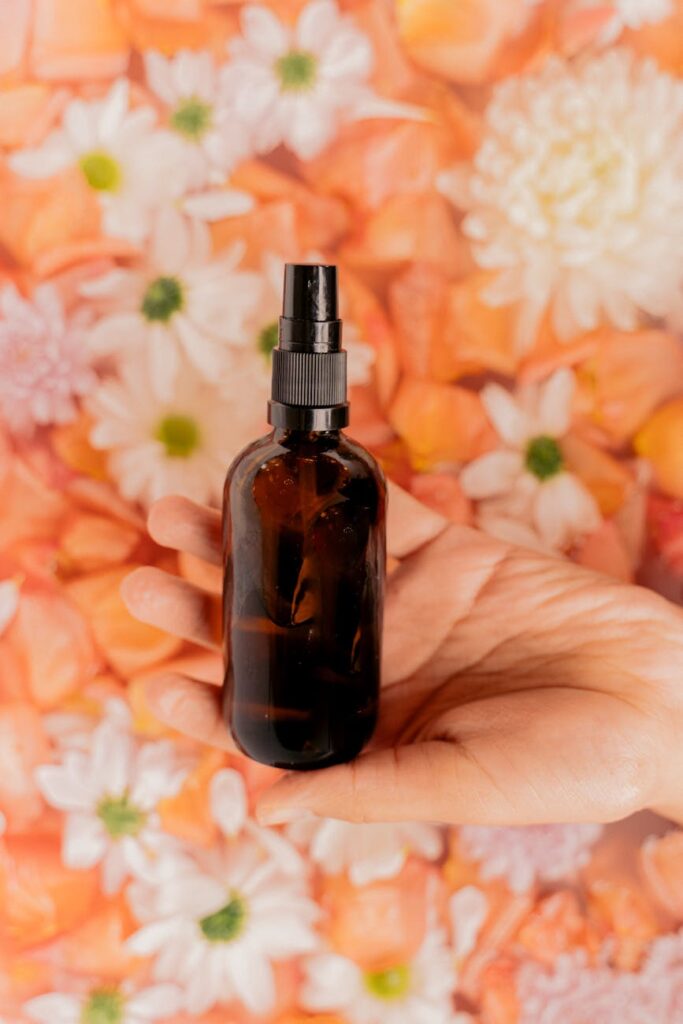
- Dark Containers: Use dark glass bottles to protect the hydrosol from light, which can degrade its quality.
- Sealed Containers: Ensure bottles are tightly sealed to prevent contamination and evaporation.
Aromatherapy Applications
In addition to their skin care applications, herbal hydrosols play a significant role in aromatherapy. Their subtle fragrances can influence emotional well-being and mental clarity. For example, rose hydrosol is often associated with love and compassion, while peppermint hydrosol can invigorate and uplift the mood.
When used in conjunction with essential oils, hydrosols can help to dilute and deliver the aromatic compounds more gently. This synergistic effect makes them a popular choice in holistic practices.
Safety Considerations
While herbal hydrosols are generally safe for topical use, certain precautions should be taken:
Storage and Shelf Life
The shelf life of herbal hydrosols can vary based on their preparation and storage conditions. Typically, hydrosols have a shelf life ranging from six months to two years. To extend their longevity:
Regularly check for any changes in odor, color, or texture, as these may indicate spoilage.
Frequently Asked Questions
1. Can I use hydrosols directly on my skin?
Yes, herbal hydrosols are generally safe for direct application on the skin. However, it’s recommended to perform a patch test to check for any adverse reactions.
2. Are hydrosols suitable for all skin types?
Yes, hydrosols are typically gentle and can be beneficial for all skin types, including sensitive skin. Specific hydrosols may cater to particular skin concerns, so it’s essential to choose one that aligns with your needs.
3. How do I choose the right hydrosol for my skin?
Consider your skin type and specific concerns. For example, rose hydrosol is excellent for dry or mature skin, while tea tree hydrosol may be better suited for oily or acne-prone skin.
4. Can I mix different hydrosols?
Yes, blending different hydrosols can create unique formulations tailored to your preferences and skin needs. Experimentation can yield delightful results.
5. How can I incorporate hydrosols into my daily routine?
You can use hydrosols as facial mists, toners, or in conjunction with serums and creams. They can also be included in DIY beauty products for added benefits.
Conclusion
Herbal hydrosols have a rich history and a wide range of applications, particularly in skin care. Their gentle nature, combined with their aromatic and therapeutic properties, makes them a versatile addition to any beauty regimen. As consumers become increasingly aware of natural alternatives, hydrosols offer a fascinating glimpse into the world of plant-based skin care, bridging tradition with modern wellness practices. Understanding their origins and uses can empower individuals to incorporate these botanical wonders into their daily lives, enhancing both beauty and well-being.