
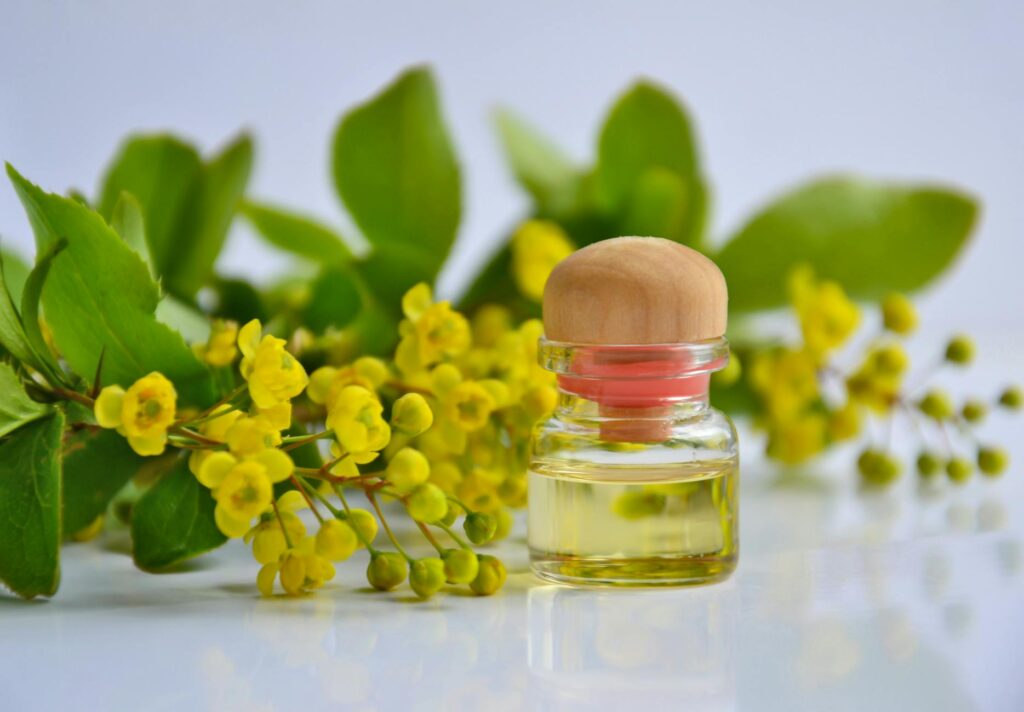
History and Origins of Herbal Hydrosols
Introduction
Herbal hydrosols, often regarded as the gentle counterparts to essential oils, have a rich and diverse history that spans centuries and cultures. These aromatic waters, produced during the steam distillation of plant materials, hold a significant place in the realms of herbalism, beauty, and wellness. This article delves into the origins, benefits, applications, and safety of herbal hydrosols, providing a comprehensive understanding of these fascinating botanical by-products.
What Is Herbal Hydrosols?
Herbal hydrosols, also referred to as floral waters or distillates, are the aromatic waters that remain after the steam distillation process of plant materials, such as flowers, leaves, and herbs. During distillation, steam is passed through the plant material, extracting essential oils and other volatile compounds. The steam then condenses back into liquid form, separating the essential oil from the hydrosol.
Unlike essential oils, which are highly concentrated and potent, hydrosols are more diluted and generally considered safer for a wider range of applications. They contain water-soluble compounds, including trace amounts of essential oil, along with other beneficial constituents, making them suitable for various uses, particularly in skincare and culinary applications.
Key Benefits and Properties
Herbal hydrosols offer numerous benefits and properties that contribute to their popularity in both health and beauty practices. Some of the key advantages include:
1. Gentle and Safe: Hydrosols are milder than essential oils, making them suitable for all skin types, including sensitive skin. They can often be used directly on the skin without dilution.
2. Hydration: Due to their water content, hydrosols can help hydrate and refresh the skin, making them an excellent choice for facial mists and toners.
3. Aromatic Qualities: Hydrosols carry the delicate scents of their source plants, providing a soothing aromatic experience that can enhance mood and promote relaxation.
4. Antimicrobial Properties: Many hydrosols possess natural antimicrobial properties, which may help in cleansing and purifying the skin.
5. Therapeutic Effects: The gentle nature of hydrosols allows for therapeutic applications, such as calming inflammation or soothing minor irritations.
Common Uses
Herbal hydrosols have a wide variety of applications across different domains, including:
Skincare
Hydrosols can be used as facial toners, mists, or soothing agents in skincare routines. Their hydrating properties make them effective for revitalizing dry or tired skin. Some popular hydrosols for skincare include:
- Rose Hydrosol: Known for its soothing and anti-inflammatory properties, rose hydrosol is often used in facial sprays and creams.
- Lavender Hydrosol: Renowned for its calming effects, lavender hydrosol can help soothe irritated skin and reduce redness.
- Rose Hydrosol: Often incorporated into desserts, beverages, or salad dressings to impart a delicate floral flavor.
- Mint Hydrosol: Can be used to enhance the flavor of cocktails, teas, or savory dishes.
- Lemon Balm Hydrosol: Often used as a natural air freshener due to its uplifting scent.
- Eucalyptus Hydrosol: Known for its refreshing aroma, it can be used as a surface cleaner or in laundry.
- Room Sprays: Hydrosols can be used as natural room sprays to create a calming atmosphere. Lavender or chamomile hydrosols are particularly effective for relaxation.
- Bath Soaks: Adding a few tablespoons of hydrosol to a warm bath can enhance the experience, providing both aromatic and skin-soothing benefits.
- Inhalation: Hydrosols can be used in steam inhalation to help promote relaxation and ease tension. Peppermint or eucalyptus hydrosols are often used for this purpose.
Culinary Uses
Certain hydrosols can be safely used in culinary applications, adding unique flavors and aromas to dishes. For instance:
Household Applications
Hydrosols can also serve as natural cleaning agents or air fresheners. Their pleasant aromas can help create a welcoming environment in homes. For example:
Aromatherapy Applications
In aromatherapy, herbal hydrosols are valued for their soothing properties and gentle nature. They can be used in various ways:
Safety Considerations
While herbal hydrosols are generally considered safe, there are a few important safety considerations to keep in mind:
1. Skin Sensitivity: Although hydrosols are milder than essential oils, it is always advisable to perform a patch test before extensive use, especially for those with sensitive skin.
2. Quality Matters: The quality of hydrosols can vary significantly depending on the source and production method. It is essential to choose high-quality, pure hydrosols from reputable suppliers to ensure safety and efficacy.
3. Pregnancy and Nursing: While many hydrosols are safe for use during pregnancy and nursing, it is always prudent to consult with a healthcare professional before using any new products.
Storage and Shelf Life
Proper storage is crucial for maintaining the quality and efficacy of herbal hydrosols. Here are some guidelines for storage:
1. Cool, Dark Place: Store hydrosols in a cool, dark place, away from direct sunlight and heat. This will help preserve their aromatic qualities and extend their shelf life.
2. Refrigeration: For optimal freshness, consider refrigerating hydrosols, especially if they are not preserved with additional ingredients.
3. Shelf Life: Generally, hydrosols have a shelf life ranging from six months to two years, depending on the type of hydrosol and storage conditions. Always check for any signs of spoilage, such as changes in color, odor, or consistency.
Frequently Asked Questions
1. Are hydrosols the same as essential oils?
No, hydrosols are the by-products of the steam distillation of plants, whereas essential oils are the concentrated aromatic compounds extracted during the same process. Hydrosols are much milder and can be used directly on the skin.
2. Can hydrosols be used in cooking?
Yes, some hydrosols are safe for culinary use, such as rose and mint hydrosols. However, it is essential to ensure that the hydrosols are food-grade and suitable for consumption.
3. How do I choose a quality hydrosol?
When selecting a hydrosol, look for products that are 100% pure, organic, and free from additives or preservatives. Reputable suppliers will provide information on the source and distillation process.
4. Can hydrosols expire?
Yes, hydrosols can expire. Their shelf life typically ranges from six months to two years. Always check for signs of spoilage and follow storage guidelines to maintain freshness.
5. Can I use hydrosols on my pets?
Some hydrosols can be safe for pets, but it is crucial to consult with a veterinarian before using any hydrosol on animals, as some plants may be toxic to pets.
Conclusion
Herbal hydrosols represent a unique and versatile aspect of the botanical world, offering a plethora of benefits and applications. Their gentle nature makes them suitable for a wide range of uses, from skincare to culinary delights, while their rich history highlights the enduring connection between humans and the plant kingdom. As interest in natural remedies and holistic practices continues to grow, herbal hydrosols remain a valuable resource for those seeking to incorporate the wisdom of nature into their daily lives.