
History and Origins of Herbal Immune Defense Essential Oil Blends
Introduction
Herbal immune defense essential oil blends have gained popularity in recent years as individuals seek natural solutions to support their health and well-being. This article delves into the rich history and origins of these aromatic concoctions, exploring their development, benefits, applications, and safety considerations. Understanding the historical context can deepen our appreciation for these potent plant extracts and their role in modern wellness practices.
What Is Herbal Immune Defense Essential Oil Blends?
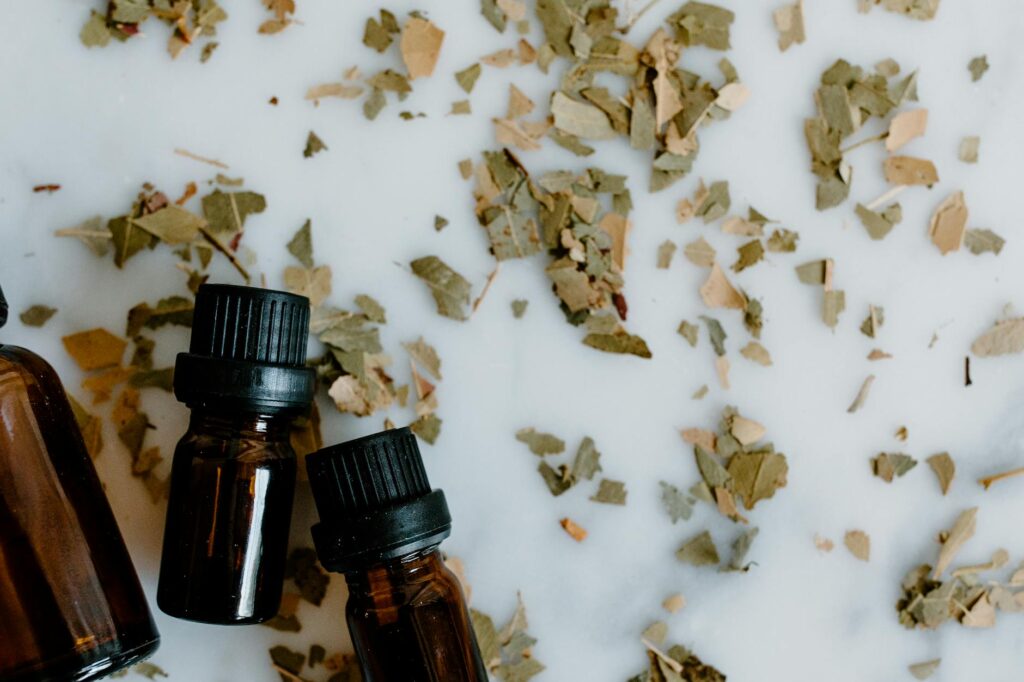
Herbal immune defense essential oil blends are mixtures of essential oils derived from various plant sources, specifically formulated to bolster the immune system and enhance overall wellness. These blends commonly include oils extracted from herbs, trees, and flowers known for their supportive properties. While the specific combinations can vary, popular ingredients often feature oils such as eucalyptus, tea tree, oregano, lavender, and rosemary.
The composition of these blends is rooted in traditional herbal medicine, where different plants were used for their therapeutic properties. The art of blending essential oils involves not just the selection of individual oils but also the understanding of their synergistic effects when combined.
Key Benefits and Properties
The key benefits of herbal immune defense essential oil blends are derived from the unique properties of their constituent oils. Some notable properties include:
1. Antimicrobial Effects: Many essential oils possess antimicrobial properties, making them effective against various bacteria, viruses, and fungi. For example, tea tree oil is well-regarded for its antiseptic qualities.
2. Anti-inflammatory Properties: Oils such as eucalyptus and rosemary have been noted for their ability to reduce inflammation, which can help support the immune system’s response to pathogens.
3. Antioxidant Activity: Certain essential oils contain high levels of antioxidants, which help neutralize free radicals in the body. This can contribute to better overall health and immune function.
4. Respiratory Support: Many herbal oils are known to support respiratory health, easing discomfort and promoting clear breathing. Eucalyptus oil is often used for this purpose due to its ability to open airways.
5. Emotional Well-being: Aromatherapy plays a significant role in emotional health. Essential oils like lavender can reduce stress and promote relaxation, which is essential for a well-functioning immune system.
Common Uses
Herbal immune defense essential oil blends can be utilized in various ways, making them versatile additions to holistic health practices. Common uses include:
- Diffusion: Using an essential oil diffuser allows the fragrance to permeate the air, creating an aromatic environment conducive to relaxation and wellness.
- Topical Application: When diluted with a carrier oil, these blends can be applied to the skin. Targeted application on pulse points or areas of tension may promote localized effects.
- Inhalation: Direct inhalation of the oils, either from the bottle or through steam inhalation, can provide immediate respiratory support.
- Bathing: Adding essential oils to bathwater can create a soothing experience, allowing for both physical and emotional benefits.
- Household Cleaning: Due to their antimicrobial properties, these blends can also be incorporated into homemade cleaning solutions, helping to purify the home environment.
- Massage Therapy: Incorporating these oils into massage oil can enhance the therapeutic experience, providing both physical relief and emotional balance.
- Meditation and Mindfulness: The use of essential oils during meditation can enhance focus and relaxation, making it easier to achieve a meditative state.
- Yoga Practice: Diffusing or applying these oils before or during yoga can support a calming atmosphere, enhancing the mind-body connection.
- Seasonal Support: Many individuals turn to immune defense blends during seasonal changes, when the body may be more susceptible to illnesses.
- Cool, Dark Place: Essential oils should be stored in a cool, dark place away from direct sunlight and heat sources. This helps prevent degradation.
- Tightly Sealed Containers: Ensure that bottles are tightly sealed to prevent evaporation and contamination.
- Shelf Life: While essential oils do not expire in the traditional sense, they can lose potency over time. Most essential oils have a shelf life of 1 to 3 years, depending on the type. Citrus oils, for example, tend to have shorter shelf lives compared to oils like patchouli.
Aromatherapy Applications
Aromatherapy is the practice of using essential oils to promote physical and emotional well-being. Herbal immune defense blends can be integrated into various aromatherapy applications, including:
Safety Considerations
While herbal immune defense essential oil blends can offer numerous benefits, it is essential to use them safely. Here are some key considerations:
1. Dilution: Essential oils are highly concentrated and should be diluted with a carrier oil before topical application to avoid skin irritation. Common carrier oils include coconut oil, jojoba oil, and almond oil.
2. Patch Test: Before using a new essential oil blend, perform a patch test on a small area of skin to check for any allergic reactions or sensitivities.
3. Pregnancy and Nursing: Certain essential oils may not be safe for pregnant or nursing women. Consultation with a qualified professional is recommended.
4. Children and Pets: Some essential oils can be harmful to children and pets. Always research the safety of specific oils before use in a household with young children or animals.
5. Quality of Oils: Choosing high-quality, pure essential oils is vital to ensure their effectiveness and safety. Look for reputable brands that provide transparency regarding their sourcing and production processes.
Storage and Shelf Life
Proper storage of essential oils is crucial to maintaining their quality and efficacy. Here are some guidelines:
Frequently Asked Questions
1. Can herbal immune defense essential oil blends cure illnesses?
While these blends can support immune health, they are not a substitute for medical treatment or advice. Their role is to complement a healthy lifestyle and promote overall well-being.
2. How do I choose the right herbal immune defense blend for me?
Selecting the right blend depends on your personal preferences and needs. Consider factors such as aroma, intended use, and any specific health goals you may have. Consulting with a qualified aromatherapist can provide personalized recommendations.
3. Are there any contraindications for using essential oils?
Yes, certain essential oils may interact with medications or exacerbate existing health conditions. It is advisable to consult with a healthcare professional before starting any new essential oil regimen.
4. Can I make my own herbal immune defense blend?
Absolutely! Many individuals enjoy creating their own blends using their favorite essential oils. Research the properties of the oils you wish to use and experiment with different combinations to find a blend that resonates with you.
5. How often can I use herbal immune defense essential oil blends?
The frequency of use can vary based on individual preferences and the specific oils involved. It is best to start with a lower frequency and assess how your body responds before increasing usage.
Conclusion
The history and origins of herbal immune defense essential oil blends reveal a deep connection between nature and human health. From ancient practices to modern applications, these aromatic blends offer a holistic approach to wellness. By understanding their properties, benefits, and safe usage, individuals can integrate these powerful plant extracts into their daily lives, enhancing both physical and emotional well-being. As the interest in natural remedies continues to grow, the timeless wisdom of herbal medicine remains relevant, inviting exploration and appreciation.