
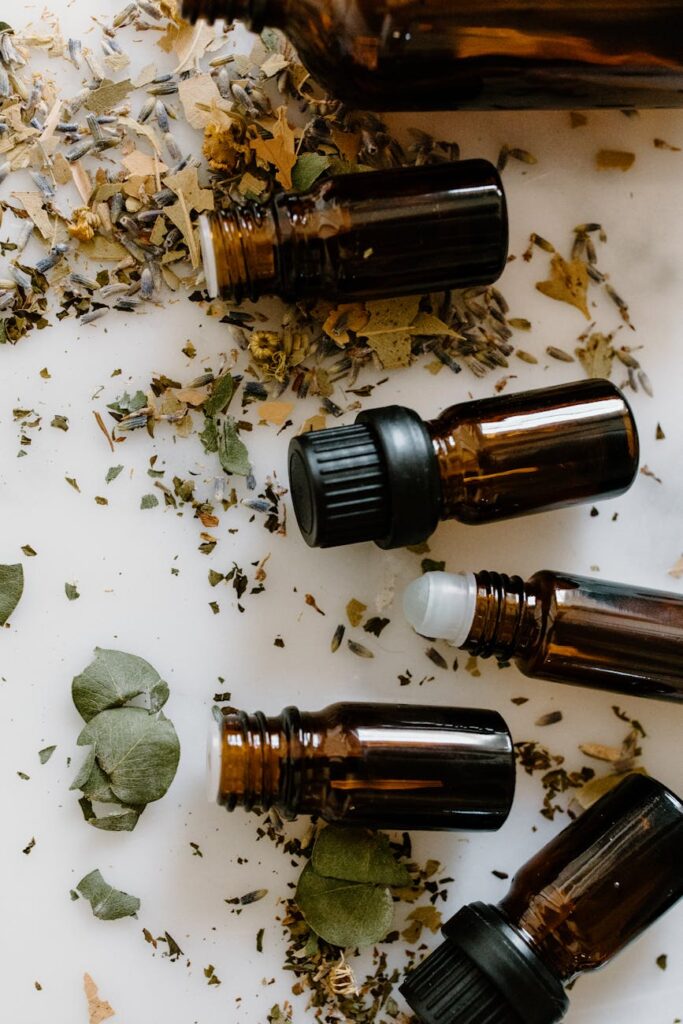
History and Origins of Herbal Immune Strengthening Essential Oil Blends
Introduction
The use of essential oils and herbal blends to strengthen the immune system has deep historical roots, tracing back thousands of years across various cultures. This article explores the origins, benefits, and applications of herbal immune-strengthening essential oil blends, providing insights into their significance in the realm of natural health and well-being.
What Is Herbal Immune Strengthening Essential Oil Blends?
Herbal immune-strengthening essential oil blends are combinations of concentrated plant extracts designed to support the body’s immune system. These essential oils are derived from various parts of plants, including leaves, flowers, bark, and roots, and are known for their aromatic properties and potential therapeutic benefits.
The blending of different essential oils creates synergistic effects, enhancing the overall efficacy of the oils when used for immune support. Common ingredients in these blends often include oils like eucalyptus, tea tree, lavender, and rosemary, each contributing unique properties that may help boost the immune response.
Key Benefits and Properties
The potential benefits of herbal immune-strengthening essential oil blends are numerous. While scientific research is ongoing, many users and practitioners of aromatherapy report the following properties associated with these oils:
- Antimicrobial Properties: Many essential oils possess natural antimicrobial qualities, which can help protect the body against infections caused by bacteria, viruses, and fungi.
- Anti-inflammatory Effects: Certain oils exhibit anti-inflammatory properties that may help reduce inflammation in the body, potentially supporting overall immune function.
- Stress Reduction: Aromatherapy has been shown to reduce stress and anxiety levels, which can indirectly support the immune system. Stress is known to weaken immune responses, making relaxation a critical component of health.
- Respiratory Support: Oils like eucalyptus and peppermint can aid respiratory function, helping to clear the airways and facilitate better breathing.
- Antioxidant Properties: Some essential oils contain antioxidants that can help combat oxidative stress, contributing to a healthier immune system.
- Diffusion: Using an essential oil diffuser, individuals can disperse the aromatic compounds into the air, promoting inhalation and absorption through the respiratory system.
- Topical Application: Essential oils may be diluted with a carrier oil and applied to the skin. This method allows for localized benefits, particularly for addressing specific areas of concern.
- Bath Soaks: Adding essential oils to a warm bath can create a soothing and aromatic experience, enhancing relaxation and overall well-being.
- Inhalation: Direct inhalation from the bottle or by placing a few drops on a tissue can provide immediate aromatic benefits, especially for respiratory support.
- Household Cleaning: Some essential oils, known for their antimicrobial properties, can be incorporated into natural cleaning products to promote a healthier living environment.
- Personal Inhalers: These are portable devices that allow individuals to inhale essential oils on the go, making them convenient for immune support throughout the day.
- Massage: Incorporating essential oils into massage therapy can enhance relaxation and promote circulation, further supporting overall health.
- Meditation: Utilizing specific blends during meditation can enhance the experience by promoting a calming atmosphere, aiding in stress reduction.
- Yoga Practice: Diffusing essential oils or applying them topically prior to a yoga session can create a more focused and tranquil environment, fostering a sense of well-being.
- Dilution: Always dilute essential oils with a carrier oil before applying them to the skin to prevent irritation. A common dilution ratio is 2-3 drops of essential oil per teaspoon of carrier oil.
- Allergy Testing: Conduct a patch test before using a new essential oil blend. Apply a small amount to a patch of skin and monitor for any adverse reactions.
- Consultation: Individuals with specific health conditions, pregnant or breastfeeding women, and children should consult with a qualified healthcare provider or aromatherapist before using essential oils.
- Quality of Oils: Source essential oils from reputable suppliers to ensure they are pure and free from additives or contaminants.
- Dark Glass Containers: Store essential oils in dark glass bottles to protect them from light, which can degrade their quality.
- Cool, Dry Place: Keep oils in a cool, dry location away from direct sunlight and heat sources.
- Sealing: Ensure that bottles are tightly sealed to prevent evaporation and oxidation.
- Shelf Life: While essential oils do not expire in the traditional sense, they can lose potency over time. Generally, citrus oils have a shorter shelf life (1-2 years), while oils like sandalwood and patchouli can last for 5-10 years or more if stored properly.
Common Uses
Herbal immune-strengthening essential oil blends can be utilized in various ways, catering to individual preferences and specific needs. Common uses include:
Aromatherapy Applications
Aromatherapy, the practice of using essential oils for therapeutic benefits, plays a significant role in the application of herbal immune-strengthening blends. Trained aromatherapists often create customized blends tailored to individual needs, considering factors such as personal health history, emotional state, and lifestyle.
Some common aromatherapy techniques include:
Safety Considerations
While herbal immune-strengthening essential oil blends can offer various benefits, it is crucial to consider safety precautions:
Storage and Shelf Life
Proper storage is essential to maintain the efficacy of herbal immune-strengthening essential oil blends. Here are some guidelines:
Frequently Asked Questions
1. Can I create my own immune-strengthening essential oil blend?
Yes, you can create your own blends by combining essential oils known for their immune-supportive properties. However, it is advisable to research and understand the effects of each oil before blending.
2. How often can I use herbal immune-strengthening essential oil blends?
Usage frequency can vary based on the method of application and individual tolerance. Generally, diffusing oils can be done several times a day, while topical applications may be limited to a few times a day, depending on dilution and sensitivity.
3. Are there any essential oils I should avoid?
Certain essential oils may not be suitable for everyone. For example, oils like wintergreen and clove should be used cautiously due to their potency. Always research before use, especially for individuals with allergies or specific health conditions.
4. Can children use essential oils?
While some essential oils can be safe for children, they should always be diluted properly and used in age-appropriate ways. Consult a qualified practitioner for guidance.
5. Are herbal immune-strengthening essential oils a substitute for medical treatment?
No, herbal blends should not be considered a substitute for medical treatment. They can be used as complementary practices but should not replace professional healthcare advice or interventions.
Conclusion
Herbal immune-strengthening essential oil blends have a rich history rooted in ancient traditions and practices. They offer a natural approach to supporting the immune system through various applications in aromatherapy. Understanding their benefits, uses, and safety considerations can help individuals incorporate these blends into their wellness routines effectively. As with all holistic practices, education and caution are key to ensuring a positive and enriching experience.