
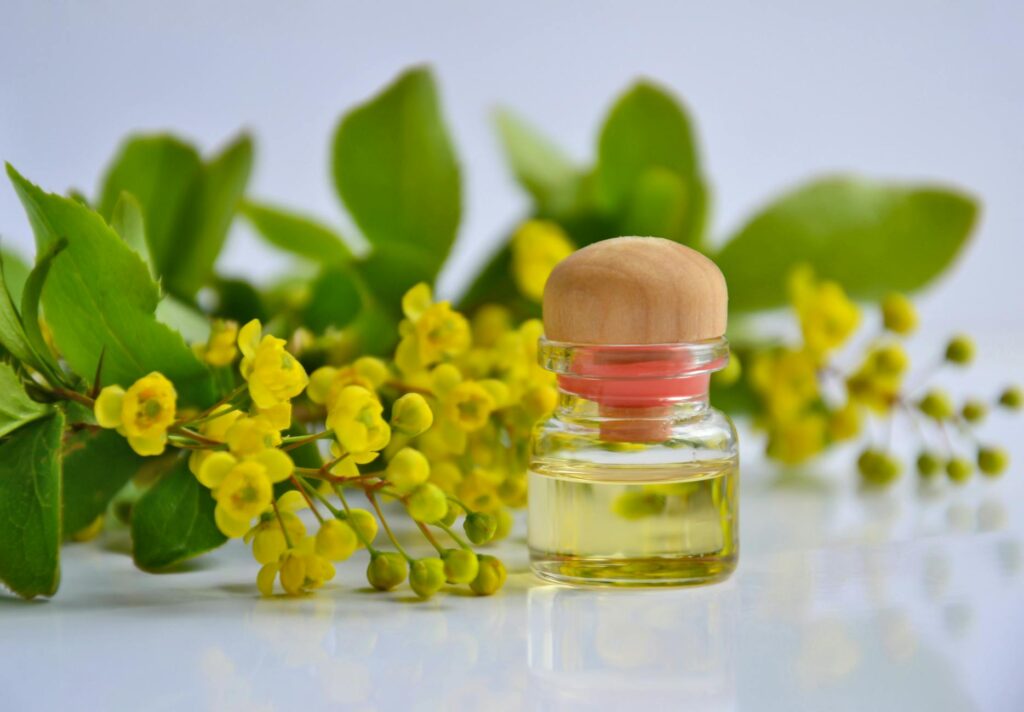
History and Origins of Herbal Immune Support Essential Oil Blends
Introduction
Herbal essential oils have been used for centuries in various cultures worldwide, celebrated for their therapeutic properties. Among these, immune support essential oil blends have garnered particular attention for their potential to enhance the body’s natural defenses. This article delves into the history and origins of these blends, exploring their composition, benefits, applications, and safety considerations.
What Is Herbal Immune Support Essential Oil Blends?
Herbal immune support essential oil blends consist of carefully selected plant extracts known for their potential to bolster immune function. These blends typically include oils derived from herbs, flowers, and trees, each possessing unique therapeutic properties. The oils are extracted through various methods, such as steam distillation or cold pressing, preserving their volatile compounds.
The blends are designed to synergistically enhance the immune system, offering a holistic approach to wellness. Some of the most commonly used essential oils in these blends include eucalyptus, tea tree, lavender, and oregano, each contributing distinct benefits.
Key Benefits and Properties
The key benefits of herbal immune support essential oil blends lie in their chemical composition. Many essential oils contain antioxidants, anti-inflammatory, and antimicrobial properties, which can be beneficial in supporting overall health.
Antimicrobial Action
Several essential oils exhibit strong antimicrobial properties, making them effective for combating various pathogens. For instance, tea tree oil is renowned for its ability to inhibit the growth of bacteria, fungi, and viruses.
Anti-inflammatory Benefits
Many essential oils possess anti-inflammatory qualities, which can help reduce inflammation in the body. Oils like lavender and eucalyptus are often used for their soothing effects, promoting comfort and relaxation.
Antioxidant Properties
Essential oils are rich in antioxidants, which play a critical role in protecting the body’s cells from oxidative stress. Oils such as rosemary and clove are known for their high antioxidant content, contributing to overall wellness.
Emotional Support
Beyond physical benefits, many essential oils are believed to have psychological advantages. Aromatherapy with essential oils can help alleviate stress and anxiety, creating a positive mental state that is essential for maintaining a healthy immune system.
Common Uses
Herbal immune support essential oil blends can be used in various ways, suitable for diverse lifestyles and preferences. Some common applications include:
Diffusion
Diffusing essential oils is one of the most popular methods of application. By dispersing the oils into the air, users can enjoy the therapeutic benefits while improving the ambiance of their surroundings.
Topical Application
When diluted with a carrier oil, essential oils can be applied directly to the skin. This method allows for direct absorption into the body, increasing effectiveness. Always conduct a patch test before applying new oils to the skin.
Inhalation
Inhaling essential oils directly from the bottle or using a personal inhaler can provide immediate benefits. This method is especially useful for oils like eucalyptus, which may help clear the airways.
Bathing
Adding essential oils to bathwater can enhance relaxation and promote well-being. Blends aimed at immune support can create a soothing experience while delivering the oils’ benefits through the skin and respiratory system.
Aromatherapy Applications
Aromatherapy is the practice of using essential oils for therapeutic purposes. Herbal immune support blends can be integrated into various aromatherapy applications, enhancing their effects:
Massage
Incorporating essential oils into massage oils can provide both physical relief and emotional support. The act of massage itself can stimulate circulation and promote relaxation, while the oils offer additional benefits.
Steam Inhalation
For respiratory support, steam inhalation with essential oils can be particularly effective. Adding a few drops of immune-supporting oils to a bowl of hot water allows users to inhale the steam, helping to clear nasal passages and promote respiratory health.
Room Sprays
Creating a room spray with essential oils can help purify the air and uplift the atmosphere. A simple combination of essential oils with water in a spray bottle can be an effective and natural way to refresh indoor spaces.
Safety Considerations
While herbal immune support essential oil blends are generally considered safe for use, it is essential to observe proper guidelines to minimize risks:
Dilution
Essential oils are highly concentrated substances. They should always be diluted with a carrier oil (such as coconut, jojoba, or almond oil) before topical application to avoid skin irritation.
Allergies and Sensitivities
Individuals may have allergies or sensitivities to specific essential oils. It is advisable to conduct a patch test on a small area of skin before widespread use. If irritation occurs, discontinue use immediately.
Consultation with Professionals
Consulting with a qualified aromatherapist or healthcare provider can provide personalized guidance, especially for pregnant or nursing individuals, children, or those with pre-existing medical conditions.
Avoiding Ingestion
Ingesting essential oils can be dangerous and should only be done under the guidance of a qualified professional. Most essential oils are intended for external use or diffusion, not for consumption.
Storage and Shelf Life
Proper storage of essential oils is critical to maintaining their potency and effectiveness. Here are some essential guidelines:
Storage Conditions
Essential oils should be stored in a cool, dark place away from direct sunlight and heat sources. Dark glass bottles are ideal for protecting oils from light degradation.
Shelf Life
The shelf life of essential oils varies depending on the type and storage conditions. Generally, citrus oils have a shorter shelf life, lasting about 1-2 years, while oils like cedarwood and patchouli can last for several years. Regularly check for any changes in scent or appearance, as these may indicate spoilage.
Frequently Asked Questions
Can essential oils replace conventional medicine?
Essential oils are not intended to replace conventional medical treatments. They can complement wellness practices but should not be viewed as a substitute for professional medical advice or treatment.
How can I create my own immune support blend?
Creating an essential oil blend involves selecting oils based on their properties and benefits. A simple recipe might include 3 drops of tea tree oil, 3 drops of eucalyptus oil, and 3 drops of lavender oil, diluted in a carrier oil. Adjust the ratios to suit personal preferences.
Are there any essential oils to avoid during pregnancy?
Certain essential oils are not recommended during pregnancy, including but not limited to, sage, rosemary, and clary sage. It is crucial to consult with a healthcare professional before using essential oils during this time.
How can I incorporate essential oils into my daily routine?
Essential oils can be easily incorporated into daily routines through diffusion in living spaces, adding to personal care products, or using them in cleaning solutions for a natural and fragrant alternative.
Conclusion
The history and origins of herbal immune support essential oil blends illustrate a rich tapestry of tradition, science, and holistic wellness. With their diverse properties and applications, these blends present an intriguing avenue for those interested in natural health. Understanding their benefits, uses, and safety considerations enables individuals to explore the world of essential oils confidently and responsibly. Always approach essential oils with respect, and enjoy the journey of discovery they offer in supporting overall well-being.