
History and Origins of Herbal Infused Balms
Introduction
Herbal infused balms have a rich history that spans centuries and cultures, serving as a bridge between the natural world and human wellness practices. These balms, often made from a combination of herbal extracts and carrier oils, have been utilized for their soothing, healing, and aromatic properties. This article explores the origins, benefits, and applications of herbal infused balms, providing a comprehensive overview for those interested in the history of these natural remedies.
What Is Herbal Infused Balms?
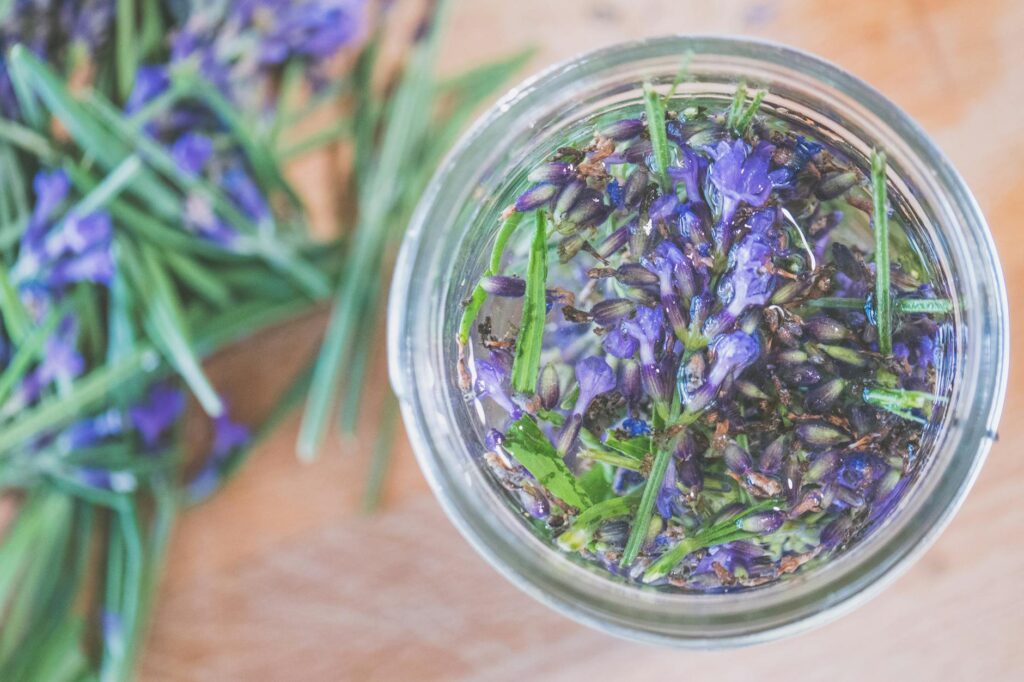
Herbal infused balms are semi-solid preparations that incorporate herbal extracts, typically combined with a base of waxes and oils. The infusion process involves soaking plant materials, such as leaves, flowers, or roots, in a carrier oil to extract their beneficial properties. The result is a product that retains the essence and therapeutic qualities of the herbs.
Common ingredients in herbal balms include beeswax, shea butter, coconut oil, and a variety of herbs such as calendula, lavender, and chamomile. These balms can be used topically and are often favored for their ease of application and long-lasting effects.
Key Benefits and Properties
The benefits of herbal infused balms are numerous, primarily stemming from the properties of the herbs used in their formulation.
1. Moisturizing: Many carrier oils used in balms, such as olive oil or jojoba oil, are rich in fatty acids, providing hydration and nourishment to the skin.
2. Soothing: Herbal ingredients like calendula and chamomile are known for their calming properties, making them effective for minor skin irritations and dryness.
3. Anti-inflammatory: Certain herbs, such as arnica and comfrey, possess anti-inflammatory properties, which can help reduce swelling and discomfort.
4. Antimicrobial: Ingredients like tea tree oil and lavender have been recognized for their antimicrobial properties, potentially aiding in the prevention of infections.
5. Aromatic: The essential oils and herbal scents in these balms can provide a sensory experience, promoting relaxation and emotional well-being.
Common Uses
Herbal infused balms can be utilized in various ways, depending on their formulation and the herbs included:
1. Skin Care: Many people use herbal balms as moisturizers for dry skin, chapped lips, or rough patches.
2. Muscle Relief: Balms infused with herbs like arnica or peppermint are often applied to sore muscles or joints, leveraging their soothing and warming properties.
3. Healing Minor Wounds: Certain blends can assist in healing minor cuts, scrapes, or burns due to their antimicrobial and anti-inflammatory benefits.
4. Aromatherapy: Balms containing essential oils can be applied to pulse points for aromatherapy benefits, enhancing mood and relaxation.
5. Massage: Herbal balms can be used in massage therapy, providing both slip and therapeutic benefits through the skin.
Aromatherapy Applications
Aromatherapy is the practice of using aromatic plant extracts to enhance physical and emotional well-being. Herbal infused balms serve as a convenient way to incorporate aromatherapy into daily life.
When applying a balm infused with essential oils, the aromatic compounds are released, allowing the individual to inhale the scent. This can create a calming atmosphere, reduce stress, and promote mental clarity. Commonly used essential oils in balms include:
- Lavender: Known for its calming effects, often used to reduce anxiety and promote sleep.
- Peppermint: Refreshing and invigorating, it may help with mental clarity and focus.
- Eucalyptus: Often used for respiratory support, its invigorating scent can also clear the mind.
- Tea Tree: Valued for its antimicrobial properties, it may also enhance mood and promote clarity.
Safety Considerations
While herbal infused balms can offer numerous benefits, it is essential to consider safety measures:
1. Patch Test: Before using a new balm, it is advisable to perform a patch test on a small area of skin to check for any allergic reactions.
2. Ingredient Awareness: Some herbs and essential oils can cause sensitivity in certain individuals. It is crucial to read labels and understand the ingredients used.
3. Pregnancy and Nursing: Certain herbs may not be suitable for pregnant or nursing individuals, so it is advisable to consult a healthcare professional before use.
4. Avoiding Sensitive Areas: Balms should not be applied to broken skin or near sensitive areas such as the eyes.
5. Storage: Proper storage can help maintain the balm’s effectiveness. Keep it in a cool, dry place, away from direct sunlight.
Storage and Shelf Life
The shelf life of herbal infused balms can vary based on the ingredients used and the storage conditions. Generally, a well-made balm can last anywhere from six months to two years. However, several factors can influence this duration:
1. Ingredients: Natural oils with longer shelf lives, such as coconut oil, can help extend the balm’s longevity, while oils that are prone to rancidity, like flaxseed oil, may shorten it.
2. Preservation: Some balms may include natural preservatives, such as vitamin E, which help to extend shelf life.
3. Storage Conditions: Keeping the balm in a cool, dark place can help maintain its potency. Exposure to heat and light can degrade the quality of the oils and herbs.
4. Signs of Spoilage: If the balm develops an off smell, changes in color, or a gritty texture, it is advisable to discard it.
Frequently Asked Questions
1. Can I make my own herbal infused balm at home?
Yes, making your own herbal infused balm at home is a popular practice. Basic recipes often include carrier oils, beeswax, and your choice of dried herbs.
2. How do I infuse herbs into oils?
To infuse herbs, place dried herbs in a jar, cover with carrier oil, and let the mixture sit in a warm, dark place for several weeks. Strain the herbs out before using the oil in your balm.
3. Are herbal infused balms suitable for all skin types?
While many herbal balms are gentle and suitable for a variety of skin types, individuals with specific skin conditions or sensitivities should consult the ingredient list and consider a patch test.
4. How often can I apply herbal balms?
You can apply herbal infused balms as needed. However, it is advisable to follow the instructions provided with the specific product or recipe.
5. Can I use herbal balms for children?
Many herbal balms can be safe for children, but it is essential to choose formulations specifically designed for their age group and to consult a healthcare professional if uncertain.
Conclusion
The history and origins of herbal infused balms demonstrate their enduring presence in human wellness practices. With roots that stretch across cultures and centuries, these balms continue to be cherished for their versatility and natural benefits. By understanding their properties, uses, and safety considerations, individuals can better appreciate the value of herbal infused balms in contemporary holistic health practices. Whether purchased or made at home, these balms offer a bridge between nature and well-being, inviting us to explore the therapeutic potential of the plant kingdom.