
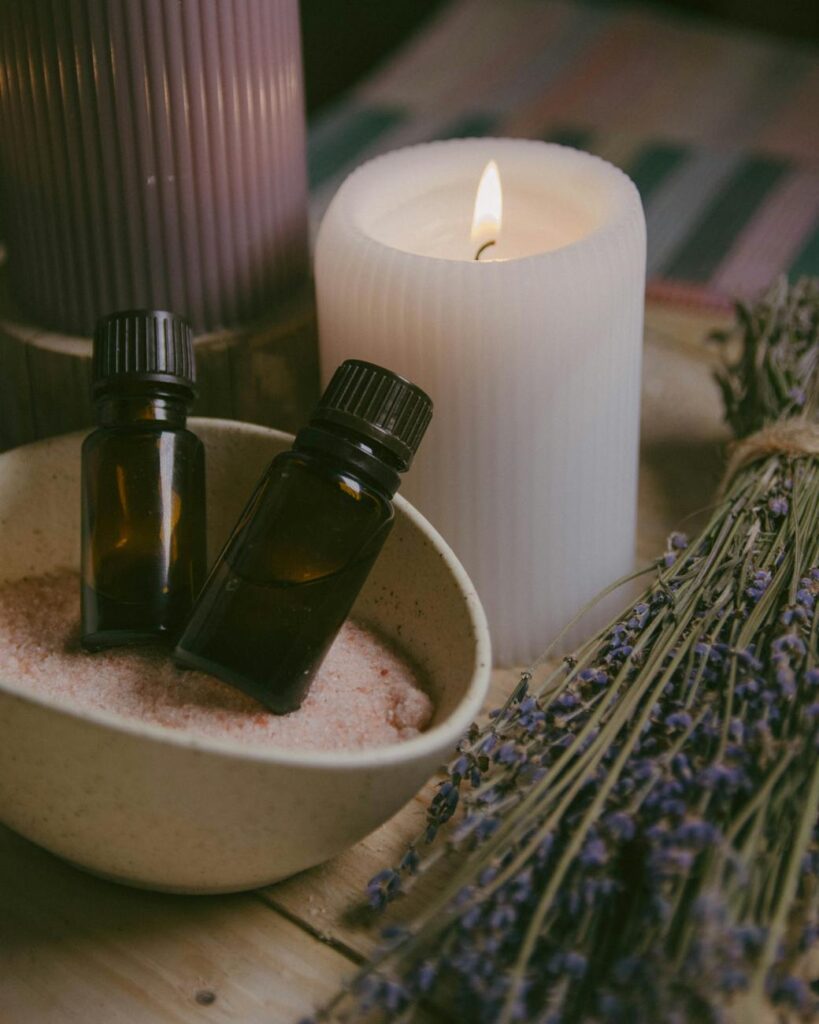
History and Origins of Herbal Infused Candles for Aromatherapy
Introduction
The practice of using herbs and aromatic plants for therapeutic purposes dates back thousands of years. Among the various methods of harnessing the benefits of these natural substances, herbal infused candles for aromatherapy have gained popularity in recent times. This article explores the rich history and origins of these candles, examining their significance in various cultures and their evolution into modern-day aromatherapy tools.
What Are Herbal Infused Candles for Aromatherapy?
Herbal infused candles are typically made from natural waxes, such as soy, beeswax, or palm, and are infused with essential oils and dried herbs. These candles not only serve as a source of light but also release aromatic compounds when burned, creating a soothing atmosphere. The combination of heat from the flame and the properties of the infused herbs and oils contributes to a holistic experience that engages the senses.
Key Benefits and Properties
The benefits of herbal infused candles extend beyond their pleasant fragrances. Many of the ingredients used in these candles possess unique properties that can enhance well-being:
1. Aromatherapy Effects: The essential oils released during burning interact with the olfactory system, potentially influencing mood and emotional states.
2. Relaxation and Stress Relief: Scents such as lavender and chamomile are commonly associated with relaxation, making herbal candles a popular choice for stress relief.
3. Air Purification: Certain plant materials used in herbal candles can help purify the air, contributing to a healthier indoor environment.
4. Spiritual and Ritual Use: In many cultures, the burning of candles holds spiritual significance, often used in rituals to promote meditation, mindfulness, or intention-setting.
5. Natural Ambiance: The soft glow of candlelight creates a calming atmosphere, enhancing the overall experience of aromatherapy.
Common Uses
Herbal infused candles have a variety of applications in daily life, including:
- Home Fragrance: Used to create a pleasant atmosphere in living spaces, herbal candles can mask unpleasant odors and provide a welcoming scent.
- Meditation and Yoga: Many practitioners use herbal candles to enhance their meditation or yoga practice, as the calming scents foster focus and tranquility.
- Bathing Rituals: Lighting a herbal candle during a bath can enhance relaxation, turning an ordinary routine into a luxurious experience.
- Gift-Giving: Handmade herbal candles are often given as gifts, appreciated for their aesthetic appeal and aromatic qualities.
- Quality of Ingredients: Always choose candles made from natural, non-toxic ingredients. Synthetic fragrances can release harmful chemicals when burned.
- Proper Ventilation: Ensure that the area is well-ventilated, especially when burning candles for extended periods, to prevent the build-up of smoke and soot.
- Avoiding Allergies: Individuals with sensitivities or allergies to specific herbs or essential oils should avoid candles that contain these ingredients.
- Supervision: Never leave burning candles unattended, and keep them away from flammable materials, children, and pets.
- Burning Duration: Limit the time candles are burned to avoid excessive soot accumulation and to maintain a safe atmosphere.
- Cool, Dark Place: Store candles in a cool, dark area away from direct sunlight and heat sources to prevent melting or discoloration.
- Avoid Moisture: Ensure that candles are stored in a dry environment to prevent mold or degradation.
- Use Within a Year: While many candles can last longer, using them within a year of production is advisable for optimal scent and quality.
Aromatherapy Applications
The application of herbal infused candles in aromatherapy can be broken down into several categories:
1. Mood Enhancement: Scents like citrus (e.g., orange, lemon) are energizing, while floral scents (e.g., rose, jasmine) are uplifting. Herbal candles can be chosen based on the desired mood.
2. Sleep Improvement: Candles infused with calming herbs like lavender or chamomile are often recommended for promoting sleep and relaxation before bedtime.
3. Focus and Concentration: Scents such as peppermint and rosemary are believed to enhance mental clarity and concentration, making them suitable for study or work environments.
4. Seasonal Aromas: Many people choose herbal candles based on the seasons, with scents like cinnamon and clove for winter and floral scents for spring.
5. Ritualistic Uses: In various traditions, herbal candles are used for setting intentions, creating sacred spaces, or during ceremonies.
Safety Considerations
While herbal infused candles offer numerous benefits, it is essential to consider safety when using them:
Storage and Shelf Life
To maintain the quality and efficacy of herbal infused candles, proper storage is crucial:
Frequently Asked Questions
1. Can I make my own herbal infused candles at home?
Yes, making herbal infused candles at home is a popular DIY project. You can customize scents and ingredients to suit your preferences, ensuring that you use high-quality wax and essential oils.
2. Are herbal infused candles safe for children and pets?
While many herbal infused candles are safe, it’s essential to check the ingredients for any potential allergens. Always supervise burning candles around children and pets.
3. How do I choose the right scent for my mood?
Choosing the right scent often depends on personal preference, but certain essential oils are known for specific effects. For example, citrus scents are uplifting, while floral scents tend to be calming.
4. How long do herbal infused candles typically last?
The burn time of herbal infused candles varies depending on their size and composition. Generally, they can burn anywhere from 20 to 50 hours, depending on the specific formulation.
5. Can I use herbal infused candles for spiritual purposes?
Yes, many cultures use candles in rituals and spiritual practices. Herbal infused candles can enhance the ambiance and support intentions during meditation or ceremonies.
Conclusion
Herbal infused candles for aromatherapy offer a rich tapestry of history, culture, and therapeutic potential. From their ancient origins to modern applications, these candles serve not only as sources of light and fragrance but also as tools for enhancing well-being and creating harmonious environments. As you explore the world of herbal infused candles, consider their benefits, uses, and safety precautions to fully appreciate the artistry and healing properties they embody.