
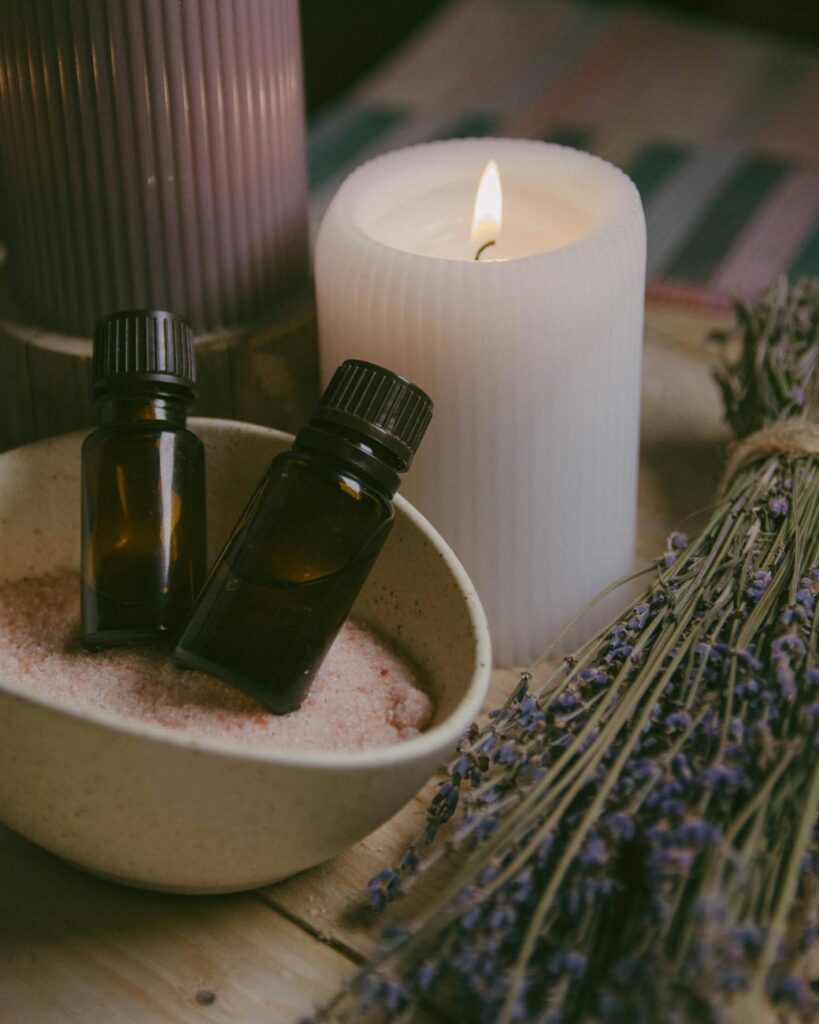
History and Origins of Herbal Infused Candles
Introduction
Herbal infused candles have become a popular choice for enhancing ambiance, promoting relaxation, and creating a connection to nature. These unique candles combine the warmth of candlelight with the therapeutic properties of various herbs, flowers, and essential oils. This article explores the rich history and origins of herbal infused candles, shedding light on their evolution and significance in various cultures.
What Is Herbal Infused Candles?
Herbal infused candles are made by incorporating natural herbs, flowers, and plant extracts into the wax during the candle-making process. This infusion can enhance the candle’s fragrance, visual appeal, and therapeutic qualities. The base wax is often derived from natural sources, such as soy, beeswax, or palm, and is combined with essential oils and dried herbs to create a multi-sensory experience.
The practice of infusing candles with herbs can be traced back to ancient civilizations, where candles served both utilitarian and ceremonial purposes. In essence, herbal infused candles represent a fusion of artistry, tradition, and holistic wellness, making them a versatile addition to any home.
Key Benefits and Properties
Herbal infused candles offer a range of benefits that extend beyond mere aesthetics. Some of the key properties include:
1. Aromatherapy Benefits: The essential oils used in herbal infused candles can evoke specific emotional responses, promoting relaxation, focus, or energy. Commonly used oils include lavender for calming effects, peppermint for invigoration, and eucalyptus for clarity.
2. Natural Ingredients: Unlike many commercial candles that are made from synthetic fragrances and paraffin wax, herbal infused candles typically use natural ingredients. This makes them a safer option for those sensitive to artificial scents or chemicals.
3. Visual Appeal: The inclusion of dried herbs and flowers not only enhances the scent but also contributes to the visual beauty of the candle. This makes them an attractive addition to home decor.
4. Mood Enhancement: The soft glow of candlelight combined with pleasant aromas can create a soothing atmosphere, making them ideal for meditation, relaxation, or social gatherings.
5. Eco-Friendly: Many herbal infused candles are crafted from sustainable materials, making them a more environmentally friendly choice compared to their synthetic counterparts.
Common Uses
Herbal infused candles can be utilized in various settings and for numerous purposes:
1. Home Decor: They add a warm and inviting touch to living spaces, making them perfect for cozy evenings or special occasions.
2. Meditation and Yoga: The calming effects of certain herbs and essential oils can enhance mindfulness practices, helping individuals achieve a deeper state of relaxation.
3. Special Occasions: Herbal infused candles are often used in celebrations, such as weddings, birthdays, and holidays, to create an uplifting atmosphere.
4. Gift Giving: Their unique properties and appealing aesthetics make them thoughtful gifts for friends and family.
5. Spa and Wellness: Many spas incorporate herbal infused candles into their services, using them to create a tranquil environment for clients.
Aromatherapy Applications
The use of herbal infused candles in aromatherapy is a significant aspect of their appeal. Aromatherapy relies on the therapeutic properties of essential oils to promote physical, mental, and emotional well-being. Here are some common applications:
1. Stress Relief: Candles infused with calming scents like lavender, chamomile, or sandalwood can help alleviate feelings of stress and anxiety.
2. Focus and Clarity: Scents such as rosemary, lemon, or peppermint can increase concentration and mental clarity, making them ideal for study or work environments.
3. Sleep Aid: Candles infused with essential oils known to promote sleep, like valerian root or bergamot, can create a serene atmosphere conducive to relaxation and restful sleep.
4. Mood Enhancement: Uplifting scents such as citrus or floral fragrances can elevate the mood, making them suitable for social gatherings or moments of self-care.
5. Seasonal Celebrations: Certain herb-infused candles can evoke the essence of seasons or holidays, such as cinnamon and clove for winter festivities or floral scents for spring.
Safety Considerations
While herbal infused candles are generally safe for use, it is essential to consider the following safety precautions:
1. Quality Ingredients: Opt for candles made from high-quality, natural ingredients. Avoid those that contain synthetic fragrances or harmful additives.
2. Burning Practices: Always burn candles in a well-ventilated area and never leave them unattended. Keep them away from flammable materials and ensure they are placed on a stable surface.
3. Allergies and Sensitivities: Individuals with allergies or sensitivities to specific herbs or essential oils should exercise caution and perform a patch test before burning a new candle.
4. Wick Type: Choose candles with cotton or wood wicks, as they are less likely to release harmful byproducts compared to those with metal wicks.
5. Children and Pets: Keep candles out of reach of children and pets to prevent accidents or injuries.
Storage and Shelf Life
To maintain the quality of herbal infused candles, proper storage is essential:
1. Cool and Dark Place: Store candles in a cool, dark area away from direct sunlight and heat sources to prevent melting or discoloration.
2. Humidity Control: Keep candles in a dry environment, as excessive humidity can affect the wax and the integrity of the infused herbs.
3. Avoid Extreme Temperatures: Protect candles from extreme temperature fluctuations, which can cause warping or cracking.
4. Shelf Life: While herbal infused candles can last for a long time if stored properly, it is best to use them within one to two years for optimal scent and quality.
Frequently Asked Questions
1. Can I make my own herbal infused candles at home?
Yes, making herbal infused candles at home is a rewarding and creative process. You can use natural wax, essential oils, and dried herbs to create personalized candles that suit your preferences.
2. Are herbal infused candles safe for people with allergies?
While many herbal infused candles are made with natural ingredients, it is essential to check for specific allergens. Individuals with sensitivities should perform a patch test before using any new candle.
3. How do I choose the right herbal infused candle for me?
Consider your desired effects when selecting a candle. For relaxation, look for lavender or chamomile; for focus, choose peppermint or rosemary. Additionally, consider the visual appeal and scent profile that resonates with you.
4. How do I properly extinguish a candle?
To extinguish a candle safely, use a candle snuffer or gently blow it out. Avoid using water to extinguish candles, as this can cause the wax to splatter.
5. Can I reuse or recycle candle containers?
Yes, many candle containers can be cleaned and repurposed after the candle has burned down. Ensure to remove any remaining wax and wick remnants before using them for storage or decoration.
Conclusion
Herbal infused candles represent a harmonious blend of tradition, artistry, and wellness. Their rich history and diverse applications make them a cherished element in many cultures. As we continue to explore the benefits of natural products in our daily lives, herbal infused candles stand out as a beautiful and fragrant way to enhance our environments, promote well-being, and connect with nature. Whether enjoyed alone or shared with loved ones, these candles illuminate the path to a more mindful and fragrant existence.