
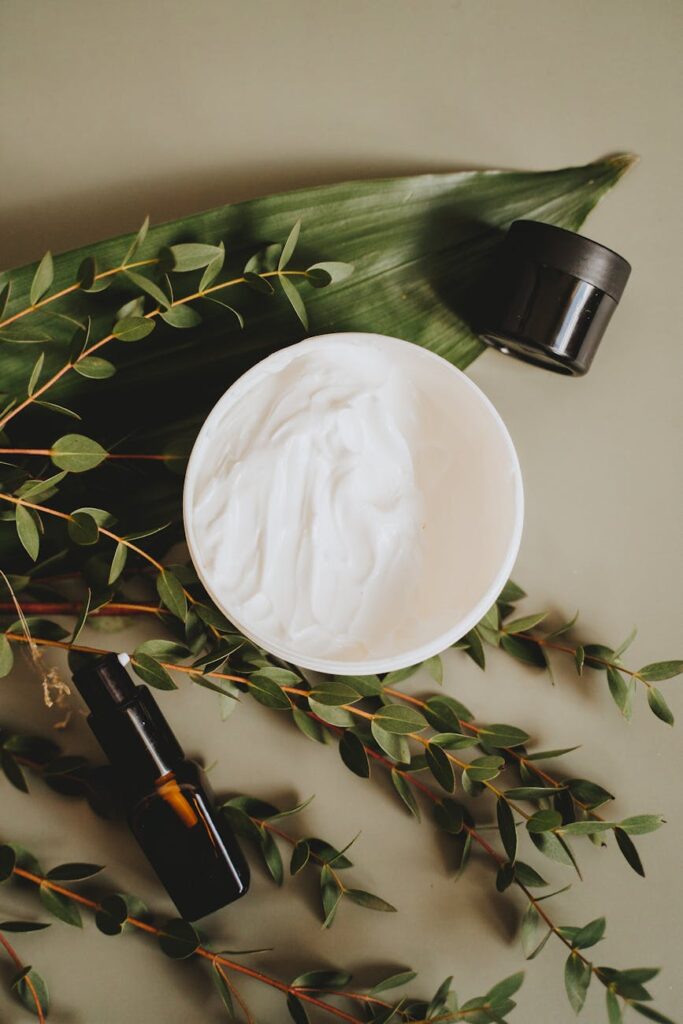
History and Origins of Herbal Infused Creams
Introduction
Herbal infused creams have captivated the interest of many through the ages, bridging the gap between nature and skincare. With roots that stretch back to ancient civilizations, these creams not only represent a blend of artistry and science but also reflect humanity’s enduring relationship with plants and their remarkable properties. This article delves into the rich history and origins of herbal infused creams, exploring their formulation, benefits, and applications throughout time.
What Is Herbal Infused Creams?
Herbal infused creams are topical preparations that combine botanical extracts, typically derived from herbs, with a creamy base. The infusion process involves steeping plant materials in a carrier substance, such as oil or water, to extract the beneficial compounds. These creams can vary in their formulation, consistency, and intended use, but they all share a common purpose: to harness the natural properties of herbs for skincare and wellness.
The primary constituents of herbal infused creams often include essential oils, herbal extracts, and carrier oils. Common herbs used in these formulations include calendula, chamomile, lavender, and aloe vera, each bringing its unique properties to the final product. The creams can be made in both homemade and commercial settings, allowing for a wide range of applications and customization.
Key Benefits and Properties
The appeal of herbal infused creams lies in their diverse benefits, primarily attributed to the active compounds present in the plants used. Here are some key properties commonly associated with these creams:
1. Moisturization: Many herbal infused creams contain emollients that help hydrate and soften the skin. Oils like jojoba or almond are often included for their moisturizing properties.
2. Anti-inflammatory: Several herbs possess anti-inflammatory properties that can soothe irritated skin. For example, calendula and chamomile are frequently used for their calming effects.
3. Antioxidant: Herbs rich in antioxidants can help protect the skin from oxidative stress, contributing to a youthful appearance. Ingredients like green tea extract are popular for this reason.
4. Antimicrobial: Certain herbs have natural antimicrobial properties that can help in maintaining skin health. Tea tree oil is a well-known ingredient for its skin-clearing properties.
5. Wound Healing: Some herbal ingredients promote faster healing of minor cuts and abrasions. Aloe vera is often recognized for its soothing and healing capabilities.
Common Uses
Herbal infused creams have been utilized throughout history for a variety of purposes, including:
- Skin Care: Many people use herbal creams to address common skin concerns such as dryness, irritation, and aging. The soothing nature of these creams makes them suitable for sensitive skin types.
- Healing Ointments: Historical records indicate that herbal creams were often employed to treat wounds, burns, and other skin injuries. The anti-inflammatory and healing properties of certain herbs made them invaluable in early medicine.
- Massage Creams: Infused creams are also popular in massage therapy. The combination of herbal properties and the physical benefits of massage can enhance relaxation and alleviate muscle tension.
- Aromatherapy: The incorporation of essential oils into herbal creams allows for a multi-sensory experience, combining the benefits of topical application with the calming effects of fragrance.
Aromatherapy Applications
Herbal infused creams are frequently used in aromatherapy practices, where the synergistic effects of smell and topical application can enhance overall well-being. When essential oils are added to herbal creams, they not only impart their aromatic qualities but also contribute therapeutic benefits.
For example, lavender essential oil is renowned for its calming effects and is often included in sleep-promoting formulations. Similarly, peppermint oil can invigorate the senses and is commonly used in creams aimed at revitalizing the skin and providing relief from fatigue.
In aromatherapy, the application of herbal creams can extend beyond skincare. They can be used in therapeutic settings to promote relaxation, relieve stress, and enhance mood, making them versatile tools for holistic healing.
Safety Considerations
While herbal infused creams can offer numerous benefits, it is essential to consider safety when using these products. Here are several key points to keep in mind:
1. Allergies: Individuals should conduct a patch test before using a new product, especially if they have a history of allergies or sensitive skin. Applying a small amount to a discreet area can help identify potential reactions.
2. Pregnancy and Nursing: Some herbs are contraindicated during pregnancy or lactation. It is advisable for pregnant or nursing individuals to consult with a healthcare professional before using herbal creams.
3. Interactions with Medications: Certain herbal ingredients may interact with medications. Consulting a healthcare provider is recommended for individuals taking prescription medications or with ongoing health concerns.
4. Quality of Ingredients: The efficacy and safety of herbal infused creams depend significantly on the quality of the ingredients used. It is advisable to choose products from reputable sources that prioritize quality and transparency.
Storage and Shelf Life
Proper storage is crucial to maintaining the integrity and effectiveness of herbal infused creams. Here are some guidelines:
1. Cool, Dark Place: Store creams away from direct sunlight and extreme temperatures. A cool, dark cabinet is ideal for preserving the longevity of the product.
2. Use Clean Hands: When applying the cream, ensure that your hands are clean to prevent contamination. This is especially important for homemade formulations.
3. Check Expiration Dates: Commercial herbal creams often come with expiration dates. Homemade creams should be used within a few months and monitored for any changes in smell or consistency.
4. Refrigeration: Some herbal creams can benefit from refrigeration, especially those containing fresh herbs or natural preservatives. This can help prolong shelf life and enhance the cooling sensation during application.
Frequently Asked Questions
1. Can I make herbal infused creams at home?
Yes, making herbal infused creams at home is a popular practice. Various recipes are available that guide users in infusing herbs into oils and combining them with emulsifying agents to create a cream.
2. Are there any specific herbs that are particularly effective for skincare?
Several herbs are commonly used for skincare, including calendula for its anti-inflammatory properties, chamomile for soothing irritations, and lavender for its calming effects. The choice of herb can depend on individual skin concerns.
3. How can I incorporate herbal infused creams into my daily routine?
Herbal infused creams can be used in daily skincare routines, applied after cleansing and toning the skin. They can also be used as needed for specific concerns or during massages.
4. What is the difference between herbal infused creams and essential oils?
Herbal infused creams are topical formulations that combine herbal extracts with a creamy base, while essential oils are concentrated extracts that can be used in various ways, including topical application, diffusing, and inhalation. Essential oils are often used as an ingredient in herbal creams.
5. Can herbal infused creams be used on all skin types?
While many herbal infused creams are formulated to be gentle and suitable for various skin types, it is essential to choose products that cater to specific skin needs and to conduct patch tests to avoid adverse reactions.
Conclusion
The history and origins of herbal infused creams trace back to our earliest encounters with nature, revealing how humanity has long sought to integrate the healing properties of plants into daily life. From their use in ancient remedies to modern-day skincare, these creams continue to offer a natural approach to wellness and beauty. As we explore and embrace the benefits of herbal infused creams, we honor a tradition that celebrates the earth’s botanicals and their timeless contributions to human health and well-being.