
History and Origins of Herbal Infused Honey
Introduction
Herbal infused honey is a unique blend that combines the natural sweetness of honey with the aromatic properties of various herbs. This delightful fusion has been cherished across cultures for centuries, often utilized as a natural remedy, a culinary ingredient, and an aromatic enhancer. The practice of infusing honey with herbs not only enriches its flavor but also imbues it with the therapeutic qualities of the herbs used. This article will explore the history, benefits, and applications of herbal infused honey, providing a comprehensive understanding of this age-old practice.
What Is Herbal Infused Honey?
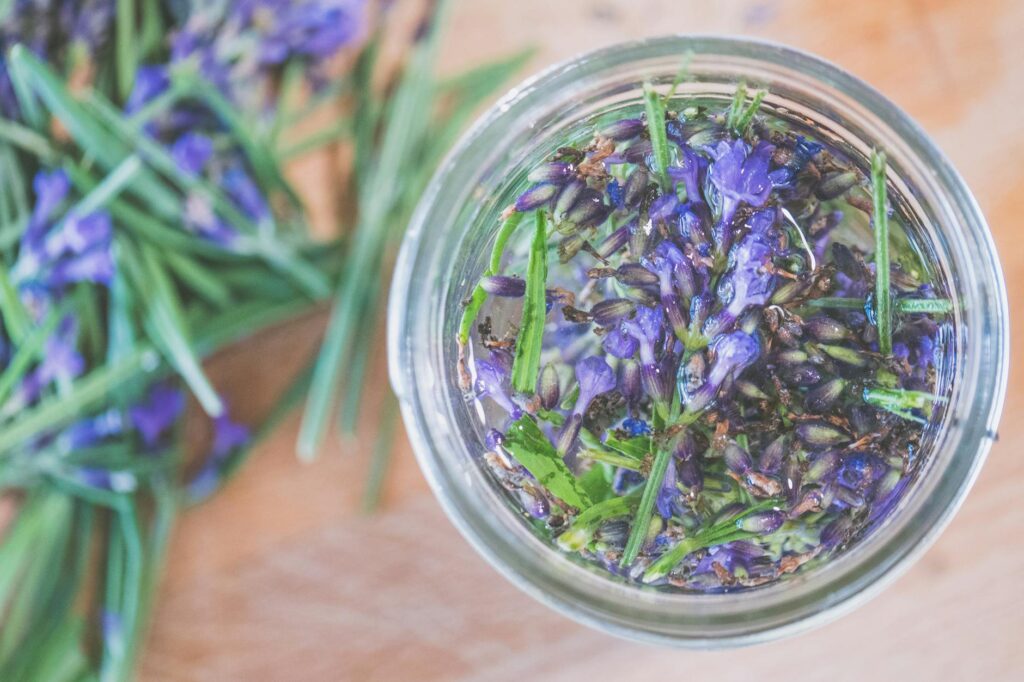
Herbal infused honey is essentially honey that has been steeped with various herbs, flowers, or spices. The infusion process allows the flavors and properties of the herbs to permeate the honey, creating a product that is both flavorful and aromatic. This infusion can be achieved through several methods, including cold infusion, hot infusion, or even a combination of both.
The base ingredient, honey, is a natural sweetener produced by bees from the nectar of flowers. It has been used for centuries not only as a food source but also for its potential health benefits. When herbs are added, the resulting mixture can provide a spectrum of flavors and aromatic compounds, making herbal infused honey a versatile ingredient in both culinary and therapeutic applications.
Key Benefits and Properties
Herbal infused honey offers a myriad of benefits, often attributed to both the honey itself and the herbs used in the infusion. Some key properties include:
1. Antioxidant Effects: Honey is rich in antioxidants, which can help combat oxidative stress in the body. The addition of herbs, such as rosemary or sage, can enhance these antioxidant properties.
2. Antimicrobial Properties: Many herbs possess natural antimicrobial qualities. For instance, thyme and oregano can impart their antiseptic properties to the honey, potentially making it beneficial for maintaining oral health.
3. Flavor Enhancement: The infusion process allows for a wide range of flavors. Herbs like lavender provide floral notes, while spices like cinnamon add warmth and depth to the honey.
4. Natural Sweetener: Herbal infused honey serves as a natural alternative to processed sugars and artificial sweeteners, making it a healthier choice for those looking to reduce refined sugar intake.
5. Culinary Versatility: This product can be used in various culinary applications, from drizzling over desserts to incorporating into dressings and marinades.
Common Uses
The versatility of herbal infused honey extends to numerous applications across culinary and therapeutic fields:
1. Culinary Uses:
- Sweetener: Used as a natural sweetener in teas, smoothies, and baked goods.
- Flavoring Agent: Enhances the flavor of dressings, marinades, and sauces by adding complexity.
- Garnish: Drizzled over cheese platters or desserts for an elegant touch.
2. Beverages: Herbal infused honey can be added to hot or cold beverages, including herbal teas, cocktails, and lemonades, providing both sweetness and flavor.
3. Natural Remedies: While not a substitute for medical treatments, herbal infused honey is often used in traditional practices for soothing sore throats or enhancing respiratory health.
4. Gifts and Crafts: Infused honey makes a thoughtful gift when packaged attractively and can also be used in homemade beauty products, such as scrubs and masks.
Aromatherapy Applications
In the realm of aromatherapy, herbal infused honey can serve as a fragrant addition to various practices:
1. Aromatherapy Diffusion: The aromatic properties of infused honey can be released into the air when used in diffusers, contributing to a calming or invigorating atmosphere depending on the herbs used.
2. Massage Oils: Mixed with carrier oils, herbal infused honey can be incorporated into massage oils, imparting additional scent and potentially enhancing the relaxation experience.
3. Bath Products: Incorporated into bath soaks or scrubs, herbal infused honey can enhance the sensory experience while providing skin-nourishing properties.
4. Scented Candles: When added to homemade candles, the infusion can create a subtle aromatic experience as the candle burns.
Safety Considerations
While herbal infused honey is generally safe for most individuals, there are some important considerations to keep in mind:
1. Allergies: Individuals with allergies to specific herbs should exercise caution and avoid those particular infusions. It is advisable to consult a healthcare professional if there are concerns about allergies.
2. Infant Consumption: Honey should not be given to children under the age of one due to the risk of botulism, a rare but potentially serious illness caused by bacteria that can be present in honey.
3. Interactions with Medications: Some herbs may interact with medications or have contraindications; it is essential to consult a healthcare provider if you are on medication and wish to use herbal infused honey for its potential benefits.
4. Quality of Ingredients: The source and quality of honey and herbs used in the infusion can significantly impact safety. It is crucial to use high-quality, organic ingredients whenever possible.
Storage and Shelf Life
Proper storage of herbal infused honey is vital to maintain its quality and flavor. Here are some guidelines for storage:
1. Cool, Dark Place: Store herbal infused honey in a cool, dark place to protect it from heat and light, which can degrade its quality.
2. Sealed Containers: Use airtight glass jars or containers to prevent moisture from entering, which can promote fermentation or crystallization.
3. Shelf Life: Herbal infused honey has a long shelf life due to the natural preservative qualities of honey itself. However, it is best consumed within one to two years for optimal flavor and potency. Regularly check for any signs of spoilage, such as unusual odors or changes in texture.
Frequently Asked Questions
Q: Can I make herbal infused honey at home?
A: Yes, making herbal infused honey at home is a simple process. You can choose your desired herbs and infuse them with honey using either a cold or hot infusion method.
Q: What herbs are commonly used in herbal infused honey?
A: Common herbs include lavender, rosemary, thyme, chamomile, and mint. Each herb imparts its unique flavor and properties to the honey.
Q: How long does it take to infuse honey?
A: The infusion time can vary. A cold infusion may take several weeks, while a hot infusion can take only a few hours.
Q: Can I use dried herbs for infusion?
A: Yes, dried herbs can be used for infusion. They often have a more concentrated flavor and aroma compared to fresh herbs.
Q: Is herbal infused honey suitable for baking?
A: Yes, herbal infused honey can be used in baking; however, it is advisable to adjust the amount of other sweeteners in the recipe to accommodate the flavor profile of the infused honey.
In summary, herbal infused honey is a delightful blend that enriches both culinary experiences and aromatic practices. Its rich history and diverse applications make it a cherished ingredient in kitchens and wellness routines across the globe. Whether enjoyed as a sweet treat or utilized for its aromatic properties, the combination of honey and herbs continues to inspire creativity and tradition alike.