
History and Origins of Herbal Infused Oils for Aromatherapy Blends
Introduction
The practice of using plant-derived substances for therapeutic and aromatic purposes has deep historical roots. Herbal infused oils, often regarded as the cornerstone of aromatherapy blends, are a testament to humanity’s longstanding relationship with nature. From ancient civilizations to modern holistic practices, the use of these oils has evolved, yet their essence remains unchanged. This article will explore the rich history and origins of herbal infused oils, their benefits, applications, and essential safety considerations.
What Are Herbal Infused Oils for Aromatherapy Blends?
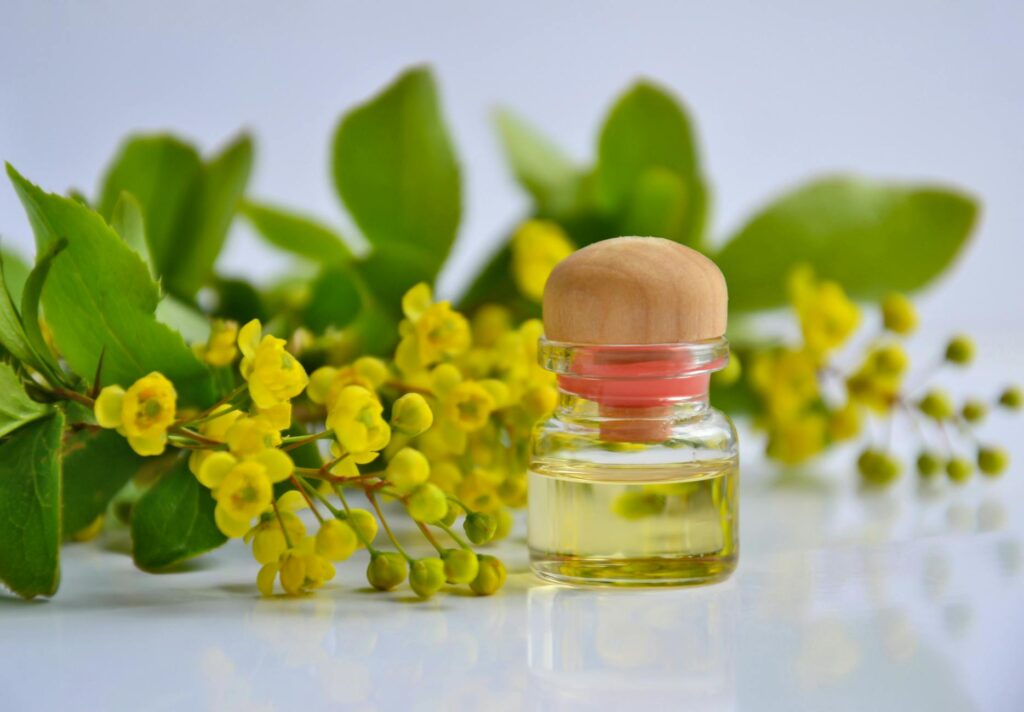
Herbal infused oils are created by steeping herbs, flowers, and other plant materials in a carrier oil, allowing the oil to absorb the properties and aromas of the botanicals. Common carrier oils include olive oil, almond oil, and jojoba oil, known for their neutral scents and skin-friendly benefits. The infusion process varies, but typically involves placing the plant material in a warm environment for a period of time, enabling the aromatic compounds to blend with the oil.
The resulting herbal infused oils serve as the foundation for various aromatherapy blends, enhancing emotional well-being, promoting relaxation, and creating a sensory experience through scent.
Key Benefits and Properties
Herbal infused oils boast a wide array of benefits, largely attributed to the unique properties of the herbs and plants used in the infusion process. These benefits often include:
- Aromatic Qualities: The distinct scents of various herbs can elevate mood and create a calming atmosphere, making them popular in relaxation and meditation practices.
- Skin Nourishment: Many carrier oils are rich in vitamins and fatty acids, providing hydration and nourishment to the skin. When infused with herbs, they can offer additional benefits such as soothing irritation or promoting a healthy complexion.
- Emotional Support: Certain herbs are traditionally associated with emotional well-being. For example, lavender is often linked with relaxation, while peppermint may invigorate and energize.
- Antioxidant Properties: Some herbs possess antioxidant qualities that can help combat oxidative stress, contributing to overall wellness.
- Synergistic Effects: When blended, different herbs can complement each other, enhancing the overall effectiveness of the infusion.
- Massage Oils: The soothing properties of infused oils make them ideal for massage, allowing for relaxation and relief from tension.
- Diffusion: When added to a diffuser, herbal infused oils can create an aromatic environment, enhancing mood and promoting relaxation.
- Bath Products: Adding herbal infused oils to bathwater can provide a luxurious and therapeutic experience, allowing the skin to absorb the beneficial properties.
- Skincare Formulations: These oils can be incorporated into creams, lotions, and serums, enhancing their moisturizing and nourishing qualities.
- Homemade Remedies: Herbal infused oils can serve as a base for creating balms, salves, and ointments.
- Inhalation: The inhalation of herbal infused oils can stimulate the olfactory system, potentially influencing mood and emotional state. This method is often used in practices like yoga and meditation.
- Topical Application: Diluting herbal infused oils with essential oils can enhance their effectiveness when applied to the skin, providing localized relief and nourishment.
- Creating Blends: Herbal infused oils serve as carrier oils for essential oils, allowing for the creation of personalized blends tailored to individual needs and preferences.
- Emotional Balance: Blends incorporating calming herbs like chamomile or lavender can help create a peaceful environment, while invigorating herbs like rosemary can enhance focus and concentration.
- Patch Test: Before applying any herbal infused oil to the skin, conduct a patch test to check for potential allergic reactions.
- Dilution: Always dilute herbal infused oils when applying them topically, especially when blending with essential oils. A general guideline is to use a 1-3% dilution for adult applications.
- Consultation: If you are pregnant, nursing, or have underlying health conditions, consult a healthcare professional before using herbal infused oils.
- Quality Matters: Choose high-quality, organic herbs and carrier oils to ensure the purity and safety of the final product.
- Avoid Ingestion: Herbal infused oils are generally not intended for internal use unless specifically formulated and labeled for consumption.
- Cool, Dark Place: Store herbal infused oils in a cool, dark area to prevent degradation from heat and light exposure.
- Airtight Containers: Use dark glass bottles or jars to minimize light exposure and ensure airtight sealing, which helps prevent oxidation.
- Check for Spoilage: Regularly inspect oils for changes in color, odor, or consistency, as these may indicate spoilage.
- Shelf Life: The shelf life of herbal infused oils varies depending on the carrier oil and the herbs used. Generally, they can last anywhere from six months to two years when stored properly.
Common Uses
Herbal infused oils have a variety of applications within aromatherapy and holistic wellness. Some of the most common uses include:
Aromatherapy Applications
Aromatherapy is the art and science of using aromatic plant extracts to promote physical and emotional well-being. Herbal infused oils play a crucial role in this practice, as they can be blended with essential oils to create synergistic effects. Here are some common applications in aromatherapy:
Safety Considerations
While herbal infused oils offer numerous benefits, it is essential to approach their use with caution. Here are some safety considerations to keep in mind:
Storage and Shelf Life
Proper storage is crucial for maintaining the quality and efficacy of herbal infused oils. Here are some guidelines:
Frequently Asked Questions
1. How are herbal infused oils different from essential oils?
Herbal infused oils are made by steeping herbs in a carrier oil, extracting the plant’s beneficial properties. Essential oils, on the other hand, are concentrated extracts obtained through distillation or cold pressing, capturing the volatile aromatic compounds of the plant.
2. Can I make my own herbal infused oils at home?
Yes, making herbal infused oils at home is a straightforward process. Simply choose your desired herbs, place them in a carrier oil, and allow the mixture to steep for several weeks. Strain the herbs out before use.
3. Are there any herbs that should be avoided in herbal infused oils?
Certain herbs, such as those known for their phototoxic properties (e.g., bergamot, citrus fruits), should be used with caution. It is advisable to research specific herbs and consult a professional if unsure.
4. Can herbal infused oils be used in cooking?
While some herbal infused oils may be safe for culinary use, it is vital to ensure that the herbs and carrier oils are food-grade and safe for consumption. Not all infused oils are suitable for cooking.
5. How can I personalize my herbal infused oils?
Personalizing herbal infused oils can be achieved by selecting herbs that resonate with your individual needs. Experiment with different combinations to create unique blends tailored to your preferences or desired outcomes.
Conclusion
The history and origins of herbal infused oils for aromatherapy blends reveal a fascinating journey through time, reflecting humanity’s continuous quest for well-being and connection with nature. Whether used for emotional support, skin nourishment, or aromatic experiences, these oils hold a special place in the realm of holistic wellness. Understanding their benefits, applications, and safety considerations empowers individuals to explore the world of herbal infused oils, enhancing their overall experience in aromatherapy and beyond.