
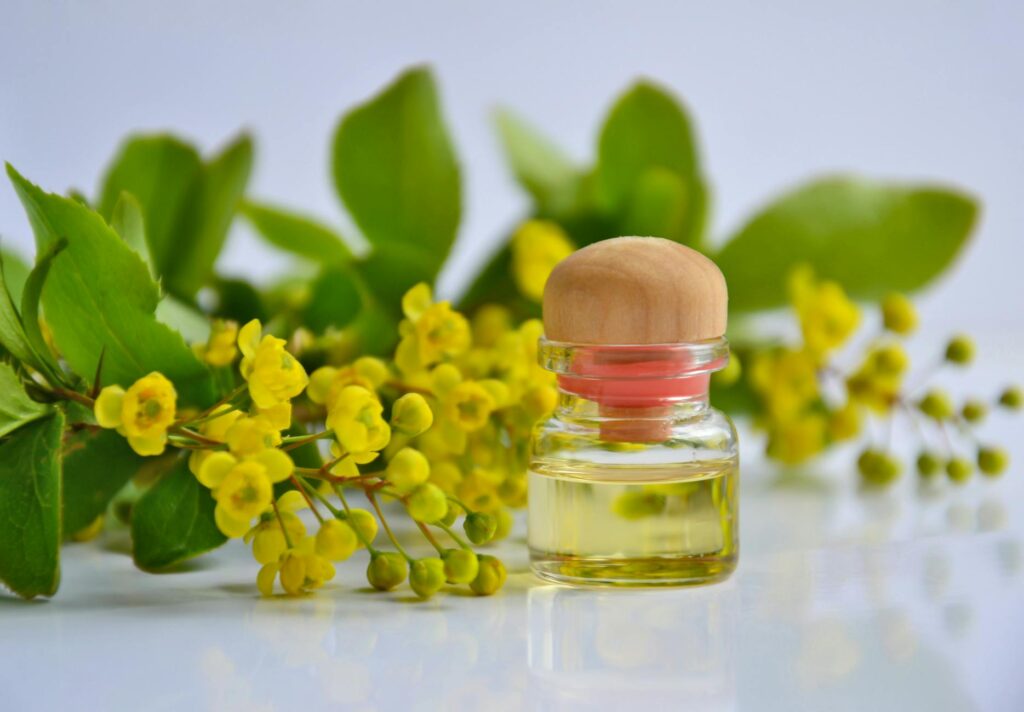
History and Origins of Herbal Infused Oils for Aromatherapy
Introduction
Herbal infused oils have been utilized for centuries, serving as a bridge between nature and wellness. The practice of infusing oils with the essence of herbs can be traced back to ancient civilizations, where plants were revered not only for their culinary applications but also for their therapeutic properties. This article explores the history and origins of herbal infused oils used in aromatherapy, providing a comprehensive understanding of their significance across cultures and time.
What Are Herbal Infused Oils for Aromatherapy?
Herbal infused oils are created by steeping plant materials—such as leaves, flowers, seeds, or roots—in a carrier oil. This process extracts the aromatic and therapeutic compounds of the herbs, resulting in a fragrant oil that retains the essence of its botanical source. Common carrier oils include olive oil, jojoba oil, and sweet almond oil, each chosen for their individual properties and benefits.
These infused oils serve various purposes in aromatherapy, ranging from promoting relaxation and wellness to enhancing beauty rituals. The resulting oils can be used in massage, skincare, and diffused into the air for their aromatic properties.
Key Benefits and Properties
The benefits of herbal infused oils are diverse, largely dependent on the plant materials used in the infusion. The therapeutic properties can include:
1. Relaxation and Stress Relief: Oils infused with calming herbs like lavender or chamomile can promote tranquility and help reduce anxiety.
2. Skin Care: Many herbal infusions possess properties beneficial for the skin. For example, calendula-infused oil is known for its anti-inflammatory benefits, while tea tree oil is celebrated for its antiseptic qualities.
3. Mood Enhancement: Certain herbs, such as bergamot and lemon balm, can uplift the spirit and improve overall mood.
4. Pain Relief: Infusions such as arnica oil are often used for their analgesic properties, making them popular in massage therapy.
5. Immune Support: Some herbs, like ginger and garlic, are known for their immune-boosting properties and can be infused into oils for topical applications.
Common Uses
Herbal infused oils are versatile and can be employed in various ways:
- Massage: These oils can be used in massages to promote relaxation and relieve muscle tension, with the added benefit of their aromatic properties.
- Skincare: Infused oils can be applied directly to the skin or added to lotions and creams to enhance their effectiveness.
- Diffusion: When diffused, herbal oils can fill a space with a pleasant aroma, contributing to a calming environment.
- Bathing: Adding infused oils to bathwater can enhance the bathing experience by providing both aromatherapy and skin-nourishing benefits.
- Hair Care: Oils infused with herbs like rosemary or hibiscus can be used as hair treatments to promote scalp health and shine.
- Allergies: Individuals should be cautious of allergies to specific herbs. A patch test on a small area of skin is advisable before using a new infused oil.
- Dilution: It is important to dilute herbal infused oils with a carrier oil, particularly for topical applications, to prevent skin irritation.
- Pregnancy and Nursing: Pregnant or nursing individuals should consult with a healthcare provider before using herbal infused oils, as some herbs may not be safe during these periods.
- Phototoxicity: Some herbs, such as citrus, can cause skin sensitivity when exposed to sunlight. It’s essential to research the properties of the herbs used.
- Quality of Ingredients: The quality of the carrier oil and the herbs used for infusion is crucial. Organic and high-quality ingredients are recommended to ensure safety and efficacy.
- Containers: Use dark glass bottles to protect the oils from light exposure, which can degrade their quality.
- Temperature: Store the oils in a cool, dark place, away from direct sunlight and heat sources.
- Shelf Life: The shelf life of herbal infused oils can vary based on the carrier oil and herbs used. Generally, infused oils can last anywhere from six months to two years. Regularly check for any changes in smell, color, or consistency that may indicate spoilage.
Aromatherapy Applications
Aromatherapy is the practice of using essential oils and herbal infused oils to improve physical, emotional, and spiritual well-being. The applications of herbal infused oils in aromatherapy include:
1. Diffusion: Using a diffuser, herbal infused oils can disperse their aromatic compounds into the air, creating an inviting atmosphere. This method is often used for relaxation or focus, depending on the herbs selected.
2. Topical Application: When diluted with a carrier oil, herbal infused oils can be applied directly to the skin. This method allows for localized treatment and can enhance the benefits of the targeted herbs.
3. Inhalation: Direct inhalation of the oil, either from the bottle or by adding a few drops to a tissue, can provide immediate access to the aromatic compounds, promoting instant relief from stress or anxiety.
4. Bathing and Foot Soaks: Adding herbal infused oils to bathwater or using them in foot soaks can enhance relaxation and provide skin benefits.
5. Cosmetic Use: Infused oils can be incorporated into homemade beauty products, such as lip balms, lotions, and hair conditioners.
Safety Considerations
While herbal infused oils are generally safe when used appropriately, there are several safety considerations to keep in mind:
Storage and Shelf Life
Proper storage of herbal infused oils is essential to maintain their quality and extend their shelf life. Here are some guidelines:
Frequently Asked Questions
1. How are herbal infused oils made?
Herbal infused oils are made by steeping dried or fresh herbs in a carrier oil for a period of time, allowing the oil to absorb the beneficial compounds of the herbs. The mixture is then strained to remove solid plant material.
2. Can I use fresh herbs for infusion?
While fresh herbs can be used, they often contain moisture, which can lead to spoilage. It’s generally recommended to use dried herbs for infusion to minimize this risk.
3. How long does it take to infuse oils?
The infusion period can range from a few days to several weeks, depending on the method used and the type of herbs. A longer infusion time may yield a more potent oil.
4. Are herbal infused oils the same as essential oils?
No, herbal infused oils and essential oils are different. Herbal infused oils are made by soaking herbs in carrier oil, while essential oils are concentrated extracts obtained through distillation or cold pressing.
5. Can I use herbal infused oils in cooking?
While some herbal infused oils can be safe for culinary use, it’s essential to ensure that the herbs used are food-safe and that the infusion process is appropriate for cooking.
Conclusion
The history and origins of herbal infused oils for aromatherapy are rich and diverse, reflecting the deep connection between humans and the natural world. From ancient practices to modern wellness trends, these oils continue to play a significant role in promoting relaxation, enhancing beauty, and supporting overall well-being. By understanding their benefits, applications, and safety considerations, individuals can harness the power of herbal infused oils to enrich their lives and cultivate a harmonious connection with nature.