
History and Origins of Herbal Infused Oils for Cooking
Introduction
Herbal infused oils have a rich and diverse history that spans across cultures and centuries. These oils not only play a vital role in culinary traditions but also serve as a bridge between gastronomy and traditional medicine. By infusing oils with the essence of herbs, individuals have been able to enhance flavors, utilize natural preservatives, and explore the therapeutic qualities of plants. This article delves into the history and origins of herbal infused oils for cooking, exploring their composition, benefits, uses, and safety considerations.
What Is Herbal Infused Oils for Cooking?
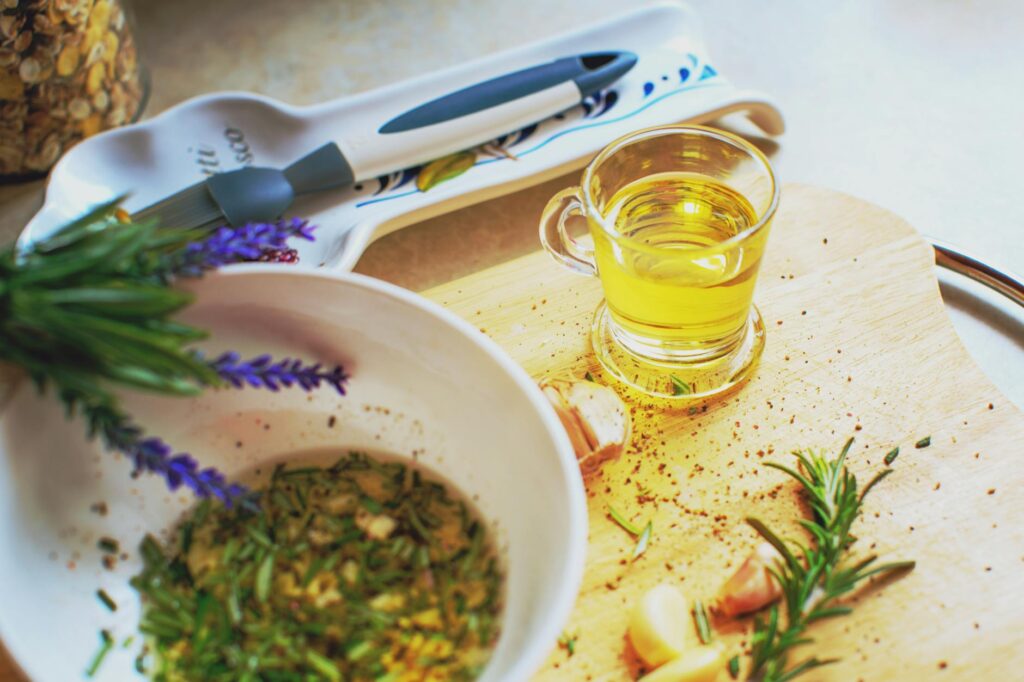
Herbal infused oils are oils that have been infused with the flavors, aromas, and beneficial properties of various herbs. The process typically involves steeping fresh or dried herbs in a carrier oil, allowing the oil to absorb the essential compounds of the herbs over time. Common carrier oils used for infusion include olive oil, sunflower oil, and grapeseed oil.
The infusion process is simple yet effective. It can be performed using either a cold infusion method, where herbs are left to steep in oil for an extended period, or a hot infusion method, where heat is applied to accelerate the extraction of flavors and compounds.
Key Benefits and Properties
The benefits of herbal infused oils extend beyond their culinary applications. Some key properties include:
1. Flavor Enhancement: Infused oils add a unique depth of flavor to dishes. For example, garlic-infused olive oil can elevate pasta dishes, while basil oil can enhance the taste of salads and marinades.
2. Aroma: The aromatic qualities of infused oils can make cooking more enjoyable and appealing. The scent of fresh herbs can invigorate the senses and create a pleasant cooking environment.
3. Nutritional Value: Many herbs are rich in antioxidants, vitamins, and minerals. Infusing oils with herbs allows for the incorporation of these beneficial compounds into the diet.
4. Preservation: The oils themselves can act as natural preservatives, extending the shelf life of the infused product. The antimicrobial properties of certain herbs can also contribute to preservation.
5. Culinary Versatility: Herbal infused oils can be used in a variety of culinary applications, from salad dressings to marinades and drizzling over finished dishes.
Common Uses
The uses of herbal infused oils are extensive and varied, reflecting the preferences of different cultures. Some common applications include:
- Cooking: Infused oils can be used for sautéing or frying, adding flavor to various dishes.
- Dressings and Marinades: They serve as excellent bases for salad dressings, marinades, and dipping oils.
- Finishing Oils: Drizzling infused oils over finished dishes can enhance flavor and presentation.
- Flavoring Vinegars: Infused oils can also complement flavored vinegars, creating unique culinary combinations.
- Bread Dipping: Infused oils are often served as an accompaniment to bread, enhancing the dining experience.
- Fresh Herbs: If fresh herbs are used, the shelf life may be shorter, typically around 1-2 weeks when stored in the refrigerator. This is due to the moisture content that can promote microbial growth.
- Dried Herbs: Infusing oils with dried herbs can extend the shelf life to several months, often up to six months, provided they are stored in a cool, dark place.
- Carrier Oils: The type of carrier oil can also influence shelf life. For instance, oils with higher levels of saturated fats, like coconut oil, tend to last longer than polyunsaturated oils, like flaxseed oil.
Aromatherapy Applications
While primarily associated with cooking, herbal infused oils also find a place in aromatherapy. The aromatic compounds released from the herbs can evoke emotional responses and promote a sense of well-being. For instance, an infusion of rosemary can stimulate the senses and improve concentration, while lavender can promote relaxation and calmness.
Incorporating aromatherapy principles into culinary practices can create a holistic approach to food preparation, where the act of cooking becomes a sensory experience. This interplay between cooking and aromatherapy underscores the multifaceted nature of herbal infused oils.
Safety Considerations
When working with herbal infused oils, it is essential to consider safety to ensure the highest quality and to avoid any adverse reactions:
1. Quality of Ingredients: Always use high-quality, food-grade oils and fresh or dried herbs to ensure safety and flavor integrity.
2. Infusion Process: If using the hot infusion method, avoid overheating the oil, as high temperatures can degrade both the oil and the herbs.
3. Storage: Store infused oils in clean, airtight containers away from light and heat. Glass or dark bottles are preferred to prevent oxidation.
4. Herb Selection: Be cautious when selecting herbs for infusion, as some may have contraindications or may not be suitable for consumption. Herbs that are known for their culinary uses are generally the safest choice.
5. Shelf Life: Infused oils should be used within a certain timeframe to ensure freshness and safety. The presence of moisture in fresh herbs can lead to spoilage.
Storage and Shelf Life
The shelf life of herbal infused oils varies depending on several factors, including the type of oil used, the herb selected, and the method of infusion. Generally, the following guidelines can be observed:
To ensure the best quality, label the infused oils with the date of infusion and the type of herbs used. Regularly check for any signs of rancidity, off odors, or unusual changes in appearance, which indicate that the oil may have spoiled and should be discarded.
Frequently Asked Questions
1. Can I use any herb for infusion?
While many culinary herbs are suitable for infusion, it is best to stick with those that are known for their flavor and safety in food applications. Common choices include basil, rosemary, thyme, and garlic.
2. How long should I infuse the oil?
The infusion time can vary based on the method used. Cold infusions typically require 1-2 weeks, while hot infusions may take just a few hours.
3. What is the best oil for infusion?
Olive oil is one of the most popular choices for herbal infusions due to its flavor and health benefits. Other options include avocado oil, sunflower oil, and grapeseed oil.
4. Can I reuse the herbs after infusion?
Once herbs have been infused, they lose much of their flavor and beneficial properties. It is generally not recommended to reuse them for another infusion.
5. How can I tell if my infused oil has gone bad?
Signs of spoilage include off odors, cloudy appearance, or the presence of mold. If any of these are present, it is best to discard the oil.
Conclusion
Herbal infused oils for cooking are a testament to the ingenuity of culinary traditions around the world. Their ability to enhance flavors and provide aromatic experiences has made them invaluable in both cooking and aromatherapy. By understanding their history, benefits, and safe practices, individuals can explore the diverse applications of these oils in their culinary endeavors while appreciating the rich heritage they represent. Whether drizzled over a salad, used in marinades, or simply enjoyed for their aroma, herbal infused oils continue to play a significant role in our kitchens and lives.