
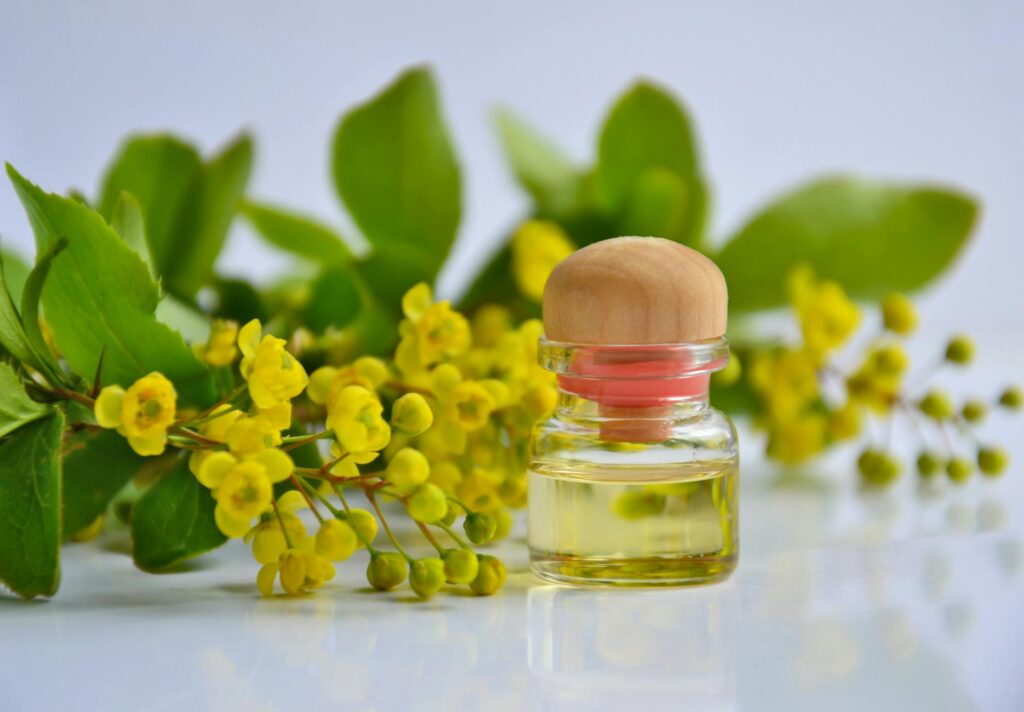
History and Origins of Herbal Infused Oils for Skincare
Introduction
The use of herbal infused oils for skincare has a rich and varied history that spans cultures and centuries. These oils, derived from the infusion of plant materials in carrier oils, have been revered for their beauty-enhancing properties and therapeutic benefits. This article delves into the origins, benefits, common uses, and practical considerations surrounding herbal infused oils, providing a comprehensive understanding of this ancient practice.
What Is Herbal Infused Oils for Skincare?
Herbal infused oils are created by steeping herbs or plant materials in a carrier oil, allowing the beneficial compounds of the herbs to be extracted and absorbed by the oil. Common carrier oils include olive oil, jojoba oil, sweet almond oil, and coconut oil, each with its unique properties. The infusion process typically involves placing the chosen herbs in the carrier oil and allowing them to steep for a period ranging from a few days to several weeks. The result is a fragrant, nutrient-rich oil that can be used for various skincare applications.
Key Benefits and Properties
Herbal infused oils possess a range of beneficial properties, depending on the herbs used in the infusion. Some of the key benefits include:
Moisturization
Many carrier oils have inherent moisturizing properties that help to hydrate and nourish the skin. Infusing these oils with herbs can enhance their effectiveness, providing additional vitamins and antioxidants.
Anti-Inflammatory
Certain herbs, such as calendula and chamomile, are known for their anti-inflammatory properties. When infused in oil, they can help soothe irritated skin and reduce redness.
Antioxidant Protection
Herbal infused oils often contain antioxidants that combat the effects of free radicals, helping to maintain skin elasticity and reduce signs of aging.
Antimicrobial Properties
Some herbs, like tea tree and lavender, exhibit antimicrobial properties. When infused in oil, they can help protect the skin from harmful bacteria and promote overall skin health.
Aromatic Qualities
The infusion process captures the natural fragrance of the herbs, creating an aromatic experience that can enhance relaxation and uplift the mood, making herbal infused oils ideal for aromatherapy applications.
Common Uses
Herbal infused oils can be utilized in numerous ways, making them versatile additions to any skincare regime. Some common applications include:
Moisturizers
Applying herbal infused oils directly to the skin can provide deep hydration and nourishment, making them suitable for all skin types.
Massage Oils
The aromatic properties of infused oils make them excellent for massage, allowing for a relaxing experience while providing skin benefits.
Bath Oils
Adding herbal infused oils to bathwater can create a soothing and aromatic bath experience, promoting relaxation and skin hydration.
Hair Care
These oils can also be used to nourish and condition hair, promoting scalp health and adding shine to hair.
Homemade Skincare Products
Herbal infused oils can be incorporated into homemade skincare formulations, such as lotions, creams, and salves, allowing for the customization of products based on individual skin needs.
Aromatherapy Applications
Aromatherapy is the practice of using essential oils and aromatic compounds for therapeutic benefits. Herbal infused oils can play a significant role in this practice. The aromatic properties of infused oils can enhance mood, reduce stress, and promote overall well-being.
Stress Relief
The calming scents of herbs like lavender and chamomile can be used in diffusers or as part of a massage to alleviate stress and anxiety.
Sleep Aid
Certain herbal infused oils, such as those made from valerian or chamomile, can be beneficial for promoting relaxation and improving sleep quality.
Mood Enhancement
Citrus-infused oils or blends of uplifting herbs can invigorate the senses, providing an energy boost and enhancing mood.
Safety Considerations
While herbal infused oils can offer numerous benefits, it is essential to observe safety considerations:
Skin Sensitivity
It is advisable to perform a patch test before using a new herbal infused oil, especially for individuals with sensitive skin. Apply a small amount to an inconspicuous area to check for any adverse reactions.
Quality of Ingredients
Using high-quality, organic herbs and carrier oils is crucial to avoid contaminants and ensure the purity of the final product.
Avoiding Certain Oils
Some herbs may not be suitable for everyone, particularly those with specific allergies or sensitivities. For example, individuals allergic to plants in the Asteraceae family should avoid chamomile-infused oils.
Consultation with Professionals
For those with pre-existing skin conditions or concerns, consulting with a healthcare professional or a qualified herbalist is advisable to ensure safe usage.
Storage and Shelf Life
The proper storage of herbal infused oils is essential for maintaining their quality and extending their shelf life. Here are some guidelines:
Dark Glass Containers
Storing infused oils in dark glass containers helps protect them from light exposure, which can degrade the oil over time.
Cool, Dark Place
Keeping the oils in a cool, dark place, such as a pantry or cupboard, will help preserve their potency.
Shelf Life
Generally, herbal infused oils can last anywhere from six months to two years, depending on the carrier oil used and the herbs infused. Regularly checking for any changes in smell or appearance can help determine if the oil is still suitable for use.
Frequently Asked Questions
Can I make my herbal infused oils at home?
Yes, making herbal infused oils at home is a straightforward process. Choose your desired herbs and carrier oil, and follow the infusion method that suits you best, whether it’s cold infusion or heat infusion.
How long does the infusion process take?
The infusion time can vary based on the method used. Cold infusions may take several weeks, while heat infusions can take a few hours.
Can I use any herbs for infusion?
While many herbs can be used, it is essential to research the properties and safety of individual herbs before infusion. Some herbs may be more beneficial than others depending on your skincare goals.
Are herbal infused oils suitable for all skin types?
Most herbal infused oils can be tailored to suit different skin types. However, individuals with specific skin concerns should consider their unique needs when selecting herbs and oils.
How can I incorporate herbal infused oils into my skincare routine?
You can use herbal infused oils as standalone moisturizers, add them to your existing skincare products, or create your formulations for a personalized approach.
Conclusion
Herbal infused oils are a testament to the long-standing relationship between humans and nature in the pursuit of beauty and wellness. Their historical roots and diverse applications reflect a holistic approach to skincare that continues to resonate with many today. As interest in natural remedies and sustainable practices grows, herbal infused oils offer a timeless solution for nourishing the skin, body, and spirit. Whether for their aromatic qualities or skin-enhancing benefits, these oils remain a cherished part of skincare traditions across cultures.