
History and Origins of Herbal Infused Oils
Introduction
Herbal infused oils have traversed the corridors of time, blending the art of herbalism with the science of oil extraction. These oils, steeped in the essence of plants, have been used for centuries across various cultures for their aromatic and therapeutic properties. Understanding the history and origins of these oils not only enriches one’s appreciation of them but also sheds light on their diverse applications in contemporary practices.
What Is Herbal Infused Oils?
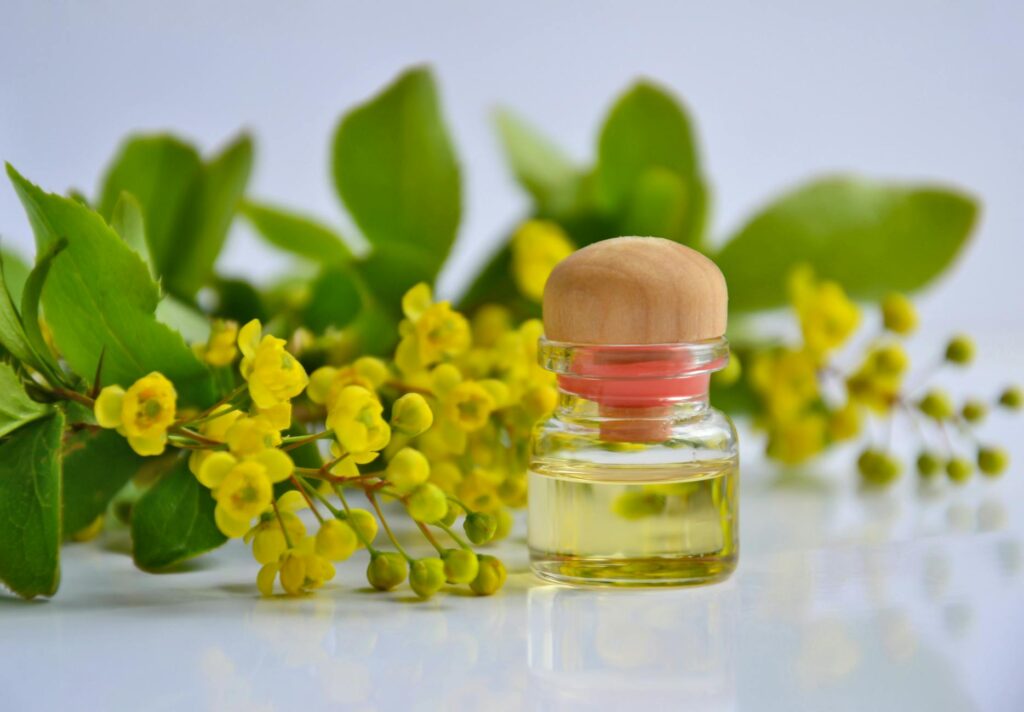
Herbal infused oils are created by steeping plant materials—such as leaves, flowers, roots, or seeds—in a base oil. The process allows the oil to absorb the beneficial compounds of the herbs, resulting in a product that retains the aroma, flavor, and therapeutic properties of the original plant material. Common base oils include olive oil, coconut oil, and jojoba oil, among others.
The infusion process can be conducted through several methods, including cold infusion, hot infusion, and the use of modern techniques like the double boiler method. Each method offers a unique balance of flavor, fragrance, and potential benefits, making the choice of method significant.
Key Benefits and Properties
Herbal infused oils boast a variety of benefits that can be categorized into aromatic, topical, and culinary uses. The key properties of these oils often stem from the specific herbs used in the infusion process.
Aromatic Qualities
The fragrances of herbal infused oils can evoke emotional responses, enhance mood, or promote relaxation. Many cultures have traditionally used these oils in rituals and ceremonies, recognizing the profound connection between scent and human experience.
Topical Applications
Certain herbal infused oils are valued for their potential skin benefits. They may possess soothing, moisturizing, or anti-inflammatory properties, depending on the herbs used. For instance, infused oils with calendula are often utilized for their skin-healing qualities, while those infused with lavender may be appreciated for their calming effects.
Culinary Uses
In the culinary world, herbal infused oils can elevate dishes, imparting distinct flavors that complement various cuisines. They can be drizzled over salads, used as marinades, or incorporated into dressings, offering a delightful way to engage with herbs and their benefits.
Common Uses
The versatility of herbal infused oils makes them suitable for a multitude of applications:
Skin Care
Herbal infused oils can be used as moisturizers, massage oils, or in homemade skincare formulations. They can be blended with other ingredients, such as beeswax or essential oils, to create balms and creams.
Hair Care
Certain infused oils, particularly those infused with herbs like rosemary or nettle, are used to promote hair health. They may be massaged into the scalp or applied to hair to enhance shine and manageability.
Culinary Enhancements
Incorporating herbal infused oils into cooking not only adds flavor but can also enhance the nutritional profile of meals. They can be used in dressings, marinades, or as finishing oils to accentuate dishes.
Aromatherapy
Herbal infused oils serve as carriers for essential oils in aromatherapy practices. They can be used in diffusers, bath oils, or for personal fragrance, allowing individuals to enjoy the benefits of both the base oil and the infused herbs.
Aromatherapy Applications
The incorporation of herbal infused oils in aromatherapy is well-established. These oils can be used alone or combined with essential oils for enhanced therapeutic effects.
Diffusion
When used in a diffuser, herbal infused oils release their aromatic compounds into the air, creating a fragrant environment that can promote relaxation or energize the space. For example, an infusion of chamomile may help create a calming atmosphere.
Massage
In massage therapy, herbal infused oils can be employed to facilitate relaxation and ease muscle tension. The combination of the aromatic properties and the physical benefits of the oil can enhance the overall experience.
Bathing
Adding herbal infused oils to bathwater transforms a simple bath into a therapeutic experience. The oils can provide nourishment to the skin while the aromas promote relaxation.
Safety Considerations
While herbal infused oils are generally regarded as safe for topical and culinary use, certain precautions should be taken:
Allergies
Individuals should be aware of potential allergies to specific herbs. Conducting a patch test before extensive use is recommended to identify any adverse reactions.
Quality of Ingredients
The quality of both the base oil and the herbs used is paramount. It is advisable to use organic and ethically sourced ingredients whenever possible to ensure the purity and efficacy of the final product.
Dilution
When using herbal infused oils in aromatherapy, it is essential to consider dilution, particularly when blending with essential oils. This helps to minimize the risk of skin irritation and enhances safety.
Storage and Shelf Life
Proper storage of herbal infused oils is critical for maintaining their quality and efficacy.
Storage Conditions
Herbal infused oils should be kept in dark glass containers to protect them from light, which can degrade the oils over time. It is advisable to store them in a cool, dark place to minimize oxidation and preserve their aromatic qualities.
Shelf Life
The shelf life of herbal infused oils can vary depending on the base oil used, the herbs infused, and storage conditions. Generally, infused oils can last anywhere from six months to two years. Regularly checking for changes in color, scent, or consistency can help determine if the oil has gone rancid.
Frequently Asked Questions
How do I make herbal infused oils at home?
To create herbal infused oils at home, choose your desired herbs and a base oil. Place the herbs in a clean, dry jar and cover them with the base oil, ensuring all plant material is submerged. Seal the jar and place it in a warm, sunny spot for 1-4 weeks, shaking it occasionally. After the infusion period, strain the oil through a fine mesh or cheesecloth and store it in a dark glass bottle.
Can I use any herbs for infusion?
While many herbs can be used for infusion, it is advisable to choose those known for their aromatic or topical properties. Common choices include lavender, rosemary, mint, and chamomile. Researching the specific qualities of each herb can help guide your selection.
Are herbal infused oils safe for children and pets?
While many herbal infused oils are safe, caution is advised when using them around children and pets. Always consult with a qualified practitioner or conduct thorough research before using herbal products in these contexts.
How can I incorporate herbal infused oils into my daily routine?
Herbal infused oils can be used in various ways, including as moisturizers, massage oils, culinary ingredients, or in aromatherapy practices. Experimenting with different applications can help identify what works best for your needs and preferences.
Conclusion
The history and origins of herbal infused oils reveal a rich tapestry of cultural practices, medicinal uses, and culinary applications. These oils serve as a bridge between ancient wisdom and modern wellness, inviting individuals to explore the myriad benefits of nature’s bounty. As interest in natural remedies and holistic practices continues to grow, herbal infused oils stand out as a versatile component in both personal care and culinary endeavors. Whether used for their aromatic properties, therapeutic potential, or culinary flair, herbal infused oils remain a testament to the enduring relationship between humans and the plant kingdom.