
History and Origins of Herbal Infused Salves for Skin Conditions
Introduction
Herbal infused salves have been a cornerstone of traditional medicine for centuries, utilized by various cultures to address a plethora of skin conditions. These salves, often made from a combination of plant oils and herbs, provide natural remedies that reflect the rich history of herbalism. This article delves into the origins, benefits, and applications of these topical treatments, highlighting their enduring significance in contemporary practices.
What Is Herbal Infused Salves for Skin Conditions?
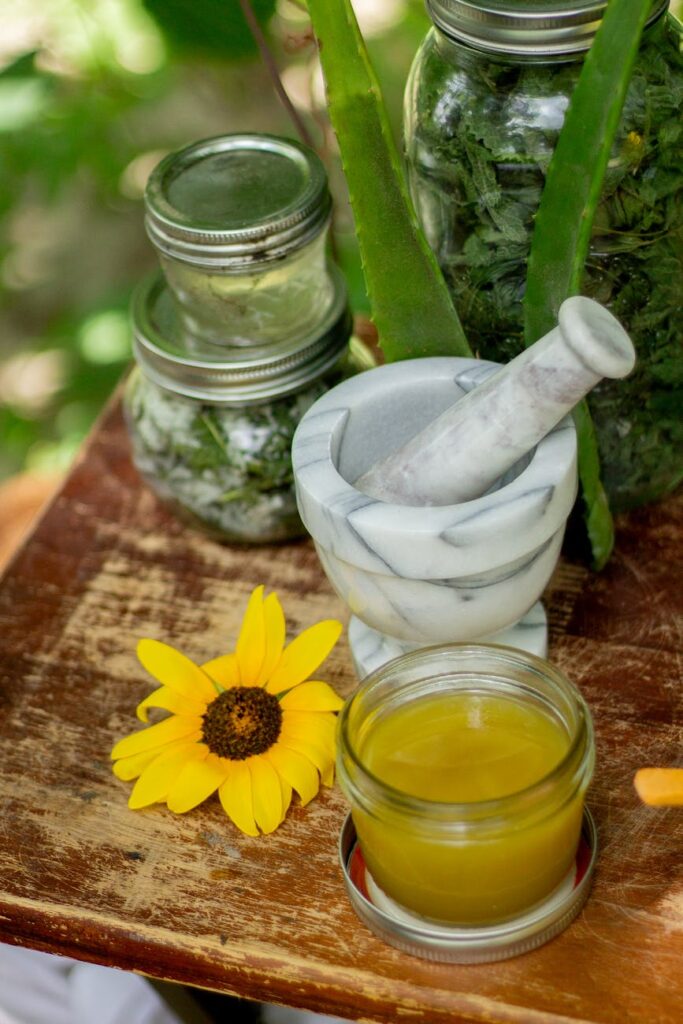
Herbal infused salves are topical preparations that combine herbal extracts with carrier oils, often thickened with a waxy substance. The process typically involves infusing the oil with herbs to extract their beneficial properties, which are then blended with beeswax or other emulsifiers to achieve a salve-like consistency. These salves are designed to be applied directly to the skin to alleviate various conditions, ranging from dryness to minor irritations.
The base oils used in these salves, such as olive oil, coconut oil, or jojoba oil, serve as carriers for the active compounds in the herbs. Common herbs included in these formulations may range from calendula and comfrey to lavender and chamomile, each known for their unique properties.
Key Benefits and Properties
The benefits of herbal infused salves are numerous, owing to the bioactive compounds present in the plants used. Some of the key properties include:
1. Moisturizing: Many salves offer emollient properties, helping to lock moisture into the skin and prevent dryness.
2. Anti-inflammatory: Certain herbs have well-documented anti-inflammatory effects, which can help soothe irritated skin.
3. Antimicrobial: Some salves contain herbs with antimicrobial properties, which can aid in protecting the skin from infections.
4. Healing: Several herbal ingredients are renowned for their wound-healing capabilities, making them suitable for cuts, scrapes, and other minor injuries.
5. Calming and Relaxing: The aromatic properties of certain herbs can contribute to a sense of relaxation, enhancing the overall experience of using the salve.
Common Uses
Herbal infused salves are versatile and can be used for various skin conditions, including:
- Dry skin: Salves can provide intense hydration, making them ideal for areas prone to dryness, such as elbows and knees.
- Minor burns: The soothing properties of certain herbs can help alleviate discomfort from minor burns and promote healing.
- Cuts and scrapes: Salves can protect open wounds while also supporting the healing process.
- Rashes and irritations: Herbal salves can help soothe and calm inflamed or irritated skin, such as those caused by allergies or insect bites.
- Chapped lips: Many herbal salves can double as lip balms, providing nourishment and protection.
- Lavender: Known for its calming effects, lavender essential oil can help relax the mind and body while also providing antiseptic properties.
- Tea Tree: This essential oil is often used for its antimicrobial properties, making it a popular choice for skin salves targeting acne or blemishes.
- Peppermint: The invigorating scent of peppermint can stimulate and refresh, while its cooling effect can soothe itching or irritation.
- Patch Test: It is advisable to perform a patch test before applying a new salve to ensure there are no adverse reactions.
- Allergies: Individuals with known allergies to specific herbs or oils should avoid products containing those ingredients.
- Pregnancy and Nursing: Some herbs may not be suitable for pregnant or nursing women. Consulting with a healthcare professional is recommended in such cases.
- Interactions: Be aware of any potential interactions with medications or other topical treatments.
- Children: Special care should be taken when using salves on children, as their skin may be more sensitive.
- Cool, Dark Place: Store salves in a cool, dark location to prevent degradation from heat and light.
- Airtight Containers: Use airtight containers to minimize exposure to air, which can lead to oxidation.
- Shelf Life: Generally, homemade herbal salves can last from six months to one year, depending on the ingredients used. Commercially produced salves may have preservatives that extend shelf life.
Aromatherapy Applications
Incorporating aromatherapy into the use of herbal infused salves can enhance their benefits. The essential oils derived from plants can be added to salves for their therapeutic properties and fragrances. For instance:
By blending these essential oils into herbal salves, users can experience both the topical benefits of the herbs and the aromatic advantages of essential oils.
Safety Considerations
While herbal infused salves are generally considered safe for topical use, certain precautions should be taken:
Storage and Shelf Life
Proper storage is essential for maintaining the efficacy of herbal infused salves. Here are some guidelines:
Regularly check for changes in color, texture, or aroma, which may indicate that the salve has gone bad.
Frequently Asked Questions
1. Can I make my own herbal infused salve at home?
Yes, making your own herbal infused salve at home is a popular practice. With basic ingredients like carrier oils, beeswax, and dried herbs, you can create personalized salves tailored to your needs.
2. How do I know which herbs to use in my salve?
Choosing herbs depends on the specific skin condition you wish to address. Researching the properties of various herbs or consulting a herbalist can provide valuable guidance.
3. Are there any precautions for using herbal infused salves on sensitive skin?
Individuals with sensitive skin should use caution and consider performing a patch test. Selecting gentler herbs such as chamomile or calendula may also be beneficial.
4. How often should I apply an herbal infused salve?
The frequency of application can vary based on the condition being treated. Generally, applying the salve 2-3 times a day is common, or as needed for comfort.
5. Can herbal infused salves be used in conjunction with other treatments?
While many people find herbal salves complement their skincare routines, it is advisable to consult with a healthcare professional, especially if other treatments are being used concurrently.
Conclusion
Herbal infused salves for skin conditions are a testament to the enduring legacy of herbalism across cultures. Their rich history, combined with the potential for personalization and therapeutic benefits, continues to attract interest in modern skincare regimens. By understanding their origins, benefits, and applications, individuals can appreciate the role these natural remedies play in supporting skin health and well-being.