
History and Origins of Herbal Infused Soaps
Introduction
The journey of herbal infused soaps is one steeped in tradition, culture, and the wisdom of generations. These soaps, enriched with the essence of various herbs, have been utilized for centuries across diverse cultures, not only for their cleansing properties but also for their therapeutic benefits. This article delves into the historical context, the composition of herbal infused soaps, their benefits, common uses, and other pertinent aspects that highlight their significance in both skincare and aromatherapy.
What Is Herbal Infused Soaps?
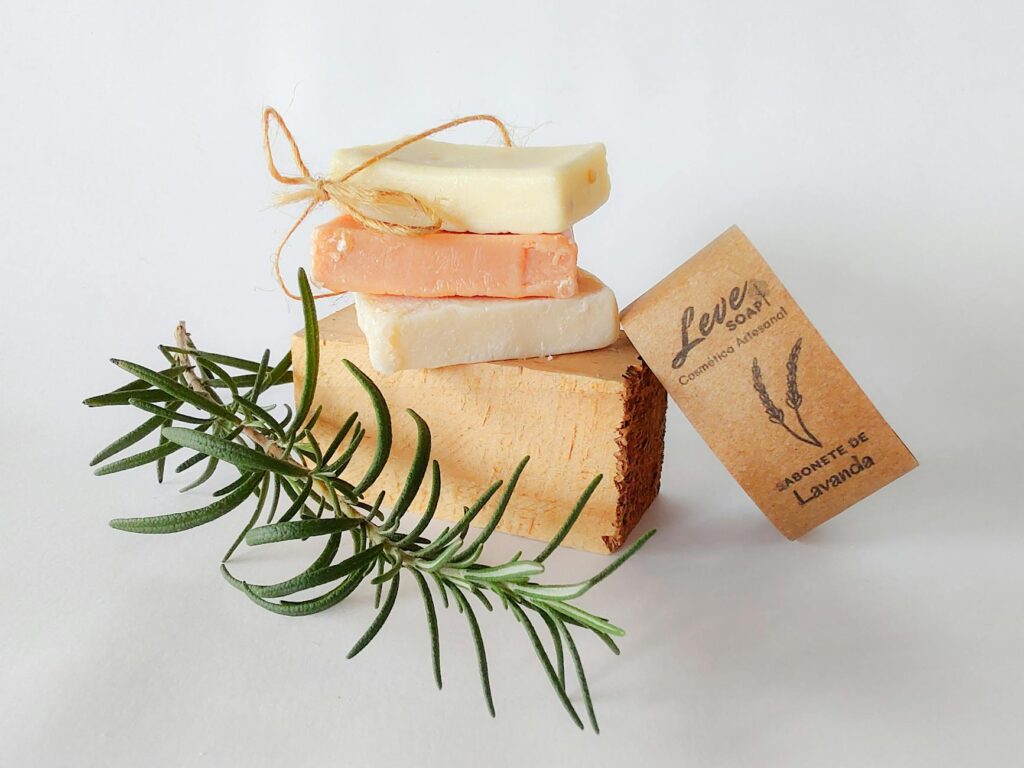
Herbal infused soaps are handcrafted soaps created by incorporating various herbs, flowers, and botanical extracts into the soap-making process. The infusion of herbs can occur through various methods, including cold infusing oils with dried herbs or adding herbal powders and essential oils directly to soap mixtures. The result is a unique blend that not only cleanses the skin but also imparts various aromatic and therapeutic properties.
Historically, soap was made from natural fats, oils, and alkaline substances, with herbal elements added later to enhance both scent and efficacy. The addition of herbs often depended on the local flora and traditional medicinal practices, making these soaps a reflection of the regional culture and available resources.
Key Benefits and Properties
Herbal infused soaps are valued for their multifaceted benefits, which can vary depending on the herbs used. Here are some of the key properties:
1. Moisturizing: Many herbal infusions include oils that help hydrate the skin, providing a natural barrier against moisture loss.
2. Antioxidant Properties: Certain herbs are rich in antioxidants, which can help protect the skin from environmental stressors.
3. Anti-inflammatory Effects: Many herbs possess anti-inflammatory properties, making them suitable for soothing irritated or inflamed skin.
4. Antimicrobial Qualities: Some herbs are known for their ability to inhibit the growth of bacteria and fungi, contributing to overall skin health.
5. Aromatherapy Benefits: The scents derived from herbs can promote emotional well-being, offering calming or uplifting effects depending on the specific blend.
Common Uses
Herbal infused soaps serve a variety of purposes beyond merely cleansing the skin. Some common uses include:
- Daily Cleansing: The primary function of soap is to cleanse the skin, and herbal infused soaps do this while providing additional benefits.
- Skincare Treatment: Specific herbal blends can target common skin issues such as acne, dryness, or eczema.
- Bathing Rituals: Many cultures incorporate herbal soaps into their bathing rituals, enhancing the experience through aromatic and sensory elements.
- Gift Items: Handmade herbal soaps are often crafted as thoughtful gifts, appealing to those who appreciate natural skincare products.
- Home Fragrance: The aromatic qualities of herbal soaps can help freshen up living spaces when displayed.
- Lavender: Known for its calming properties, lavender-infused soap may help reduce stress and promote relaxation.
- Peppermint: This invigorating scent can stimulate the senses and uplift mood, making it a popular choice for morning routines.
- Rosemary: Often associated with mental clarity, rosemary-infused soap may aid in concentration and focus.
- Allergic Reactions: Individuals with allergies to specific herbs should exercise caution and conduct patch tests before widespread use.
- Skin Sensitivity: Some herbs may cause irritation or allergic reactions in sensitive skin. Always consult an experienced herbalist or skincare professional if unsure.
- Quality of Ingredients: Ensure that the herbs and oils used in the soap are of high quality, preferably organic and free from pesticides or contaminants.
- Pregnancy and Nursing: Some herbs may not be suitable for pregnant or nursing individuals. It is advisable to consult a healthcare provider or herbalist in such cases.
- Cool, Dry Place: Store soaps in a cool, dry area away from direct sunlight to prevent melting or degradation.
- Airtight Containers: For longer shelf life, consider storing soaps in airtight containers to protect them from moisture and environmental contaminants.
- Use By Date: While herbal soaps can have a shelf life of 1 to 2 years depending on the ingredients, it’s best to follow the “use by” dates provided by the maker or manufacturer.
Aromatherapy Applications
Aromatherapy, the practice of using essential oils and aromatic compounds for therapeutic purposes, often intersects with the use of herbal infused soaps. The scent of the herbs used in the soap can influence mood and emotional state. For instance:
Incorporating herbal infused soaps into one’s daily routine can enhance the benefits of aromatherapy, transforming a simple cleansing act into a holistic experience.
Safety Considerations
While herbal infused soaps are generally safe for most skin types, it’s essential to consider the following:
Storage and Shelf Life
Proper storage is crucial for maintaining the efficacy and longevity of herbal infused soaps. Here are some guidelines:
Frequently Asked Questions
1. Are herbal infused soaps suitable for all skin types?
While many herbal infused soaps are gentle and suitable for various skin types, it is advisable to check the specific ingredients and perform a patch test if you have sensitive skin or allergies.
2. How can I make herbal infused soap at home?
To make herbal infused soap at home, you can infuse oils with dried herbs, blend them with a soap base (like glycerin or shea butter), and add any desired essential oils. There are many recipes available online for different herbal infused soaps.
3. Can I use herbal infused soaps on my face?
Herbal infused soaps can be used on the face, but it’s essential to ensure that the ingredients are gentle and suitable for facial skin. Avoid soaps with strong fragrances or irritants if you have sensitive skin.
4. What herbs are best for making infused soaps?
Common herbs used in infused soaps include lavender, chamomile, calendula, rosemary, and peppermint. Each herb brings its unique benefits and fragrances, allowing for a variety of soap formulations.
5. How can I tell if my herbal infused soap has gone bad?
Signs that herbal infused soap may have gone bad include an off smell, discoloration, or the presence of mold. If any of these signs are present, it is best to dispose of the soap.
Conclusion
Herbal infused soaps are more than just cleansing agents; they are a testament to the rich history of herbalism and natural skincare. By understanding their origins, benefits, and uses, individuals can appreciate the art and science behind these time-honored products. As we continue to seek natural alternatives in our daily lives, the enduring appeal of herbal infused soaps remains strong, bridging the gap between tradition and modern wellness practices.