
History and Origins of Herbal Infused Sprays for Aromatherapy
Introduction
The use of aromatic plants and their essences dates back thousands of years, rooted in various cultural traditions and practices. Among these practices, herbal infused sprays for aromatherapy have emerged as a popular method for harnessing the benefits of essential oils and herbal extracts. This article delves into the history and origins of these aromatic concoctions, exploring their development and significance across different cultures. By understanding the historical context, we can better appreciate the role of herbal infused sprays in contemporary aromatherapy.
What Are Herbal Infused Sprays for Aromatherapy?
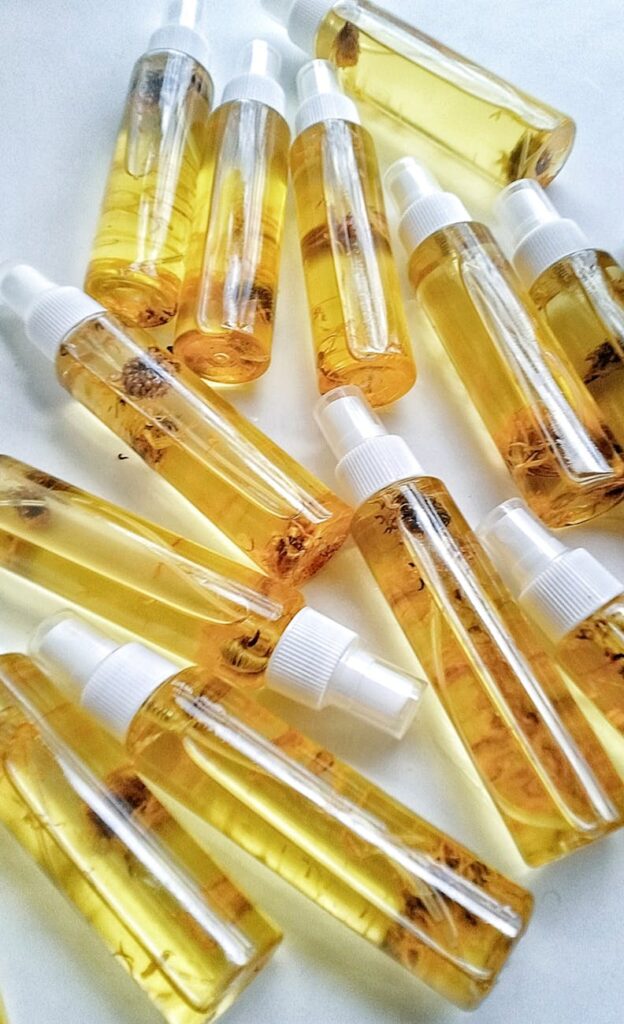
Herbal infused sprays are liquid mixtures that combine essential oils, herbal extracts, and other natural ingredients, often diluted in a carrier substance like water, alcohol, or oil. These sprays are designed to be used as a fragrant mist, providing an aromatic experience that can enhance mood, promote relaxation, or create a soothing environment. While the essential oils are derived from various parts of plants—such as leaves, flowers, stems, and roots—herbal extracts are typically created through methods like steeping herbs in water or alcohol to draw out their beneficial properties.
The practice of using aromatic plants for therapeutic purposes is an integral aspect of aromatherapy, which focuses on the use of natural plant extracts to improve well-being. Herbal infused sprays serve as a versatile tool in this practice, allowing individuals to experience the benefits of aromatherapy in a user-friendly format.
Key Benefits and Properties
Herbal infused sprays offer a variety of benefits, largely attributed to the properties of the essential oils and herbal extracts used in their formulation. Some of the key benefits include:
1. Mood Enhancement: Many essential oils, such as lavender and citrus oils, are known for their uplifting and calming effects on mood. Herbal infused sprays can create an ambiance that promotes emotional well-being.
2. Stress Relief: Aromatic compounds in certain herbs, such as chamomile and bergamot, are believed to have relaxing properties that can alleviate stress and anxiety.
3. Air Purification: Some essential oils, like tea tree and eucalyptus, possess antimicrobial properties that can help purify the air, making herbal infused sprays a natural choice for maintaining a fresh environment.
4. Focus and Concentration: Certain scents, such as rosemary and peppermint, are thought to enhance mental clarity and focus, making them suitable for use during study or work.
5. Comfort and Relaxation: Herbal infused sprays can create a calming atmosphere conducive to relaxation, making them ideal for use during meditation, yoga, or bedtime routines.
Common Uses
Herbal infused sprays are versatile tools that can be employed in various settings and situations. Some common uses include:
- Home Fragrance: Spraying an herbal infusion in the home can create a pleasant aroma, making spaces more inviting.
- Personal Care: These sprays can be used as natural body mists or hair fragrances, providing a refreshing scent throughout the day.
- Sleep Aid: Spraying a calming blend on pillows or bedroom linens may help create a serene environment conducive to sleep.
- Meditation and Yoga: Using herbal infused sprays during mindfulness practices can enhance the sensory experience, aiding in relaxation and focus.
- Room Fresheners: Herbal infused sprays can serve as natural alternatives to synthetic air fresheners, offering a healthier way to freshen up spaces.
- Dilution: Essential oils should always be diluted before use. A common ratio is 1-2 drops of essential oil per tablespoon of carrier fluid.
- Patch Test: Before using a new herbal infused spray on the skin, it is advisable to conduct a patch test to check for potential allergic reactions.
- Avoid Eye Contact: Essential oils can be irritating to the eyes; care should be taken to avoid contact with the eyes or mucous membranes.
- Pregnancy and Health Conditions: Pregnant individuals or those with specific health conditions should consult with a healthcare provider before using herbal infused sprays containing certain essential oils.
- Children and Pets: Some essential oils can be harmful to children and pets. It is crucial to use caution and research the safety of specific oils if they will be present in the environment.
- Cool, Dark Place: Store herbal infused sprays in a cool, dark place to protect them from heat and light, which can degrade the quality of essential oils.
- Glass Containers: Use dark glass bottles to minimize light exposure. Amber or cobalt blue glass is ideal for preserving the integrity of the oils.
- Labeling: Clearly label each spray with its ingredients and date of creation. This practice helps track the shelf life and know when to discard old blends.
Aromatherapy Applications
The application of herbal infused sprays in aromatherapy is diverse, influenced by the specific essential oils and herbs used in their formulation. Here are some common applications:
1. Calming and Relaxation: Blends that include lavender, chamomile, or ylang-ylang are often used to promote relaxation and reduce stress.
2. Energizing and Uplifting: Citrus oils like lemon, orange, or bergamot are commonly incorporated for their energizing and mood-lifting properties.
3. Focus and Clarity: Blends featuring peppermint, rosemary, or eucalyptus can aid concentration and mental clarity, making them suitable for study sessions or work environments.
4. Immune Support: Herbal infused sprays containing essential oils with antimicrobial properties, such as tea tree or eucalyptus, can be used to help maintain a healthy indoor environment.
5. Seasonal Blends: Seasonal blends can incorporate oils that evoke the essence of different times of the year; for example, blends with cinnamon and clove for winter, or floral notes for spring.
Safety Considerations
Although herbal infused sprays are generally considered safe for use, it is essential to follow certain guidelines to ensure their safe application:
Storage and Shelf Life
Proper storage is vital for maintaining the quality and efficacy of herbal infused sprays. Here are some storage tips:
The shelf life of herbal infused sprays can vary based on the ingredients used. Typically, if stored correctly, most blends can last between six months to one year. However, if any changes in color, scent, or consistency occur, it is best to discard the spray.
Frequently Asked Questions
1. Can I create my own herbal infused sprays at home?
Yes, making herbal infused sprays at home is relatively simple. By combining distilled water, essential oils, and a carrier base (such as alcohol or witch hazel), you can create personalized blends tailored to your preferences.
2. Are herbal infused sprays safe for children?
While many herbal infused sprays can be safe for children, it is important to use essential oils that are deemed safe for their age group and to dilute them appropriately. Always consult guidelines or an expert before use.
3. Can I use herbal infused sprays in a diffuser?
Herbal infused sprays are primarily designed for topical or atmospheric use and may not be suitable for diffusers. It is recommended to use pure essential oils in a diffuser for optimal results.
4. How do I know which essential oils to use for specific purposes?
Researching the properties and benefits of various essential oils can guide your selection. Many resources, including books and reputable websites, provide information on the effects of different oils.
5. What should I do if I experience irritation from a spray?
If you experience any irritation or adverse reaction from an herbal infused spray, discontinue use immediately and wash the area with soap and water. If symptoms persist, consult a healthcare professional.
Conclusion
The rich history and cultural significance of herbal infused sprays for aromatherapy underline their value in contemporary wellness practices. As a bridge between ancient traditions and modern applications, these sprays offer a natural and versatile approach to enhancing well-being through scent. Understanding their origins, benefits, and safe use allows individuals to incorporate herbal infused sprays into their daily lives, fostering a deeper connection with nature and promoting overall harmony.