
History and Origins of Herbal Infused Syrups
Introduction
Herbal infused syrups have a rich history rooted in traditional medicine and culinary practices across various cultures. With their versatile applications—from sweetening beverages to enhancing health—these syrups have stood the test of time. This article delves into the origins, benefits, uses, and safety considerations of herbal infused syrups, exploring their place in both modern wellness practices and age-old traditions.
What Is Herbal Infused Syrups?
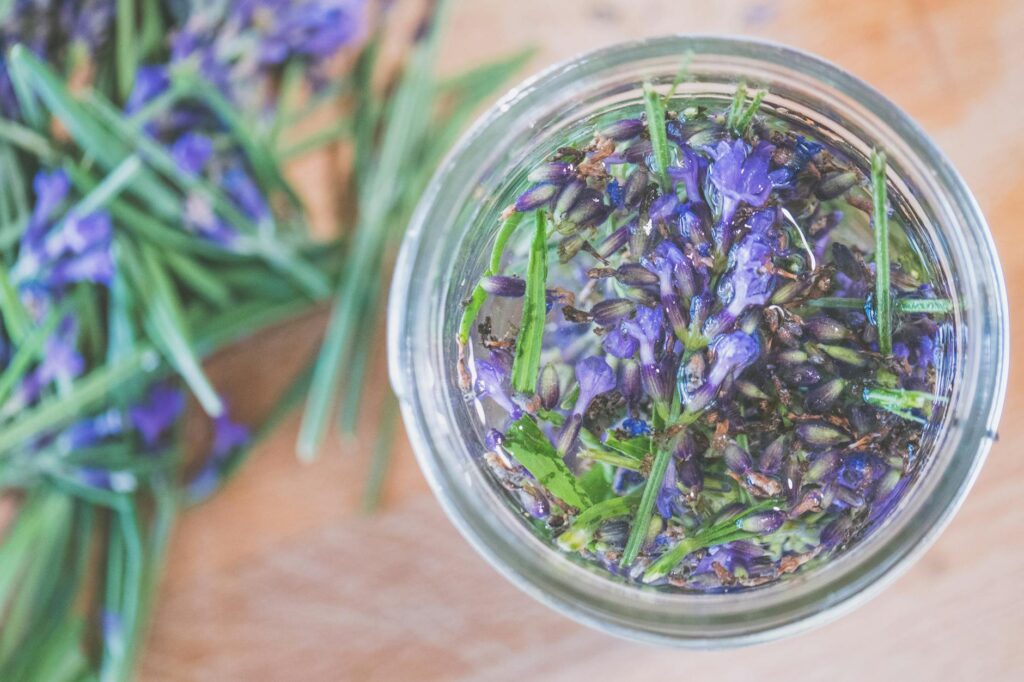
Herbal infused syrups are concentrated liquids made by combining herbs with a sweetener, usually sugar or honey, in a water base. The infusion process allows the beneficial compounds of the herbs to permeate the syrup, resulting in a flavorful and aromatic product. These syrups can be made from a variety of herbs, each contributing unique flavors and properties.
The basic method involves simmering the chosen herbs in water, then straining the liquid and combining it with a sweetener to create a syrup. The result is a versatile product that can be used in culinary applications, beverages, and wellness practices.
Key Benefits and Properties
The benefits of herbal infused syrups largely derive from the properties of the herbs used in their preparation. Here are some key benefits:
1. Flavor Enhancement: Herbal syrups can add depth and complexity to dishes and drinks, enhancing the overall flavor profile.
2. Natural Sweetener: They serve as a healthier alternative to processed sugars, providing sweetness along with the benefits of the infused herbs.
3. Versatile Applications: Herbal syrups can be used in a variety of culinary contexts, from cocktails to desserts, and even in marinades.
4. Potential Health Benefits: While not a substitute for medical treatment, many herbs are believed to possess properties that support overall well-being, such as antioxidant, anti-inflammatory, or digestive benefits.
5. Culinary Creativity: The ability to infuse various herbs allows for endless creativity in the kitchen, encouraging experimentation and personalization.
Common Uses
Herbal infused syrups have a wide array of uses across culinary and wellness contexts. Here are some of the most common applications:
1. Beverages: They can be added to teas, cocktails, lemonades, or sparkling water for a flavorful twist.
2. Desserts: Drizzling herbal syrups over pancakes, waffles, or ice creams can elevate sweet dishes and introduce unique flavors.
3. Marinades and Dressings: They can be used to enhance marinades for meats or dressings for salads, imparting depth and complexity to savory dishes.
4. Medicinal Tonics: While not a replacement for medical treatment, some individuals incorporate herbal syrups into their wellness routines to complement their health practices.
5. Culinary Sauces: Herbal syrups can also be integrated into sauces, adding flavor and sweetness to savory dishes.
Aromatherapy Applications
Herbal infused syrups have a significant role in the realm of aromatherapy, where the scents of various herbs can evoke emotions, memories, and even promote relaxation or focus. Although they are not typically used in diffusers like essential oils, the aromatic properties of herbal syrups can be beneficial in several ways:
1. Inhalation: The scent of the syrup can be enjoyed when added to hot water, allowing the aromatic compounds to be released into the air.
2. Bathing: Adding herbal syrups to bathwater can create a soothing and fragrant experience, enhancing relaxation and comfort.
3. Culinary Aromatherapy: Using the syrups in cooking can create an aromatic environment, engaging the senses and contributing to a holistic culinary experience.
4. Mindfulness Practices: Incorporating herbal syrups into mindful eating practices can heighten the sensory experience and promote awareness of flavors and aromas.
Safety Considerations
While herbal infused syrups can be enjoyed safely, it is essential to consider certain precautions:
1. Allergies: Individuals with allergies to specific herbs should avoid syrups made with those ingredients.
2. Quality of Ingredients: Always use high-quality herbs and sweeteners to ensure the best flavor and safety.
3. Dosage: Be mindful of how much syrup is used, especially in wellness practices. Too much sweetness can have adverse effects on health.
4. Pregnancy and Nursing: Pregnant or nursing individuals should consult healthcare professionals regarding the use of specific herbs, as some may not be safe during these times.
5. Interactions: Some herbs may interact with medications, so it is advisable to research or consult an expert regarding potential interactions.
Storage and Shelf Life
Proper storage is crucial for maintaining the quality and safety of herbal infused syrups. Here are some guidelines:
1. Refrigeration: Store herbal syrups in the refrigerator to prolong their shelf life. The cool temperature helps inhibit the growth of bacteria.
2. Containers: Use sterilized glass bottles or jars for storage. This helps ensure that the syrup remains uncontaminated.
3. Shelf Life: Generally, homemade herbal syrups can last for about 2 to 4 weeks in the refrigerator, but commercial syrups may have preservatives that extend shelf life.
4. Signs of Spoilage: Always check for signs of spoilage, such as changes in color, odor, or the presence of mold. If any of these signs are present, discard the syrup.
Frequently Asked Questions
1. Can I make herbal infused syrups at home?
Yes, making herbal infused syrups at home is relatively simple and requires basic ingredients and tools. Many recipes are readily available online, allowing you to customize the herbs and sweetness to your liking.
2. Are there specific herbs that are best for syrups?
Common herbs used for syrups include mint, lavender, rosemary, and chamomile. Each herb imparts a unique flavor and aroma, so the choice depends on personal preference and desired applications.
3. How can I use herbal syrups in cooking?
Herbal syrups can be used as a sweetener in various dishes, including desserts, beverages, and dressings. They can also enhance marinades and sauces, adding depth and flavor.
4. Are herbal syrups safe for children?
While many herbal syrups are safe for children, it is essential to select herbs that are appropriate for their age group and to consult with a healthcare professional if in doubt.
5. How can I tell if my herbal syrup has gone bad?
Signs of spoilage include an off smell, changes in color, or the presence of mold. If you notice any of these signs, it is best to discard the syrup.
Conclusion
Herbal infused syrups represent a delightful intersection of culinary art and traditional wellness practices. Their historical roots and modern applications highlight their versatility and enduring appeal. As interest in natural remedies and artisanal cooking continues to grow, herbal syrups offer a flavorful way to explore the rich world of herbs while enriching our culinary experiences. By understanding their origins, benefits, and safe practices, individuals can appreciate these unique creations and incorporate them into their daily lives.