
History and Origins of Herbal Infused Vinegars for Culinary Use
Introduction
Herbal infused vinegars have been a culinary staple for centuries, seamlessly blending the art of cooking with the healing traditions of herbalism. Their origins can be traced back to various cultures around the world, where vinegar was not only a method of preservation but also a flavorful addition to meals. This article explores the rich history and cultural significance of herbal infused vinegars, their culinary applications, benefits, and storage considerations.
What Is Herbal Infused Vinegars for Culinary Use?
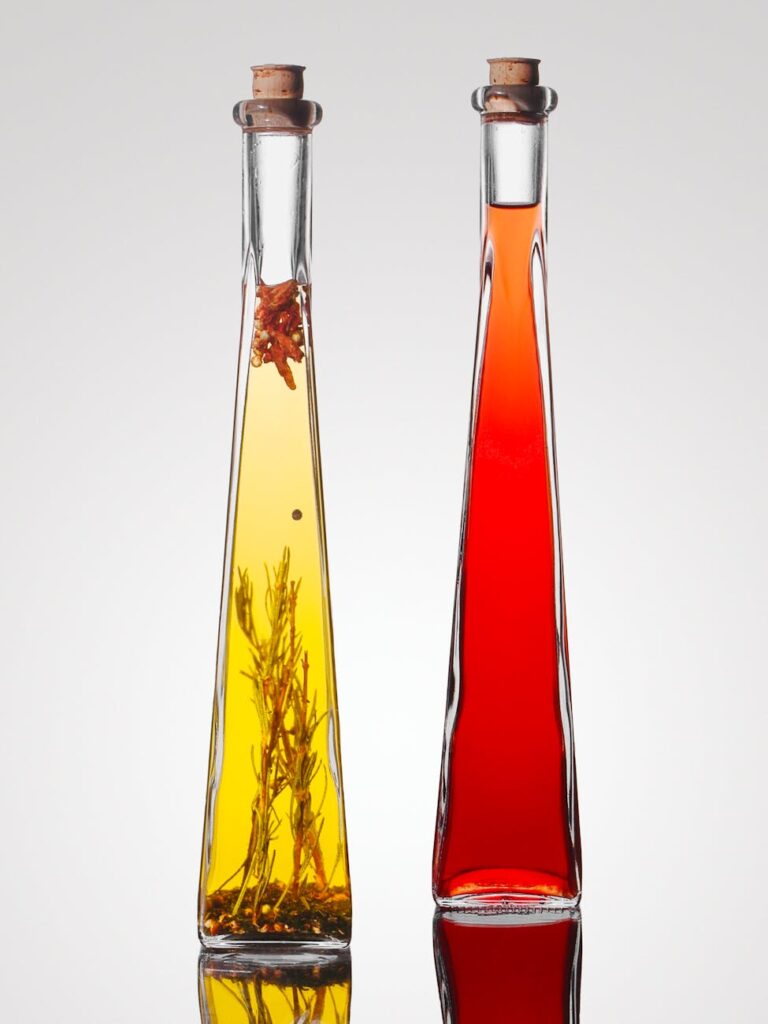
Herbal infused vinegars are created by steeping herbs, spices, or fruits in vinegar, allowing the flavors and properties of the botanicals to infuse into the liquid. The most commonly used vinegars for infusion are apple cider vinegar, red wine vinegar, and white wine vinegar, each bringing its unique flavor profile to the final product. The infusion process typically involves combining the chosen herbs with vinegar in a jar, sealing it, and allowing it to steep for a period of time, ranging from a few days to several weeks.
Key Benefits and Properties
Herbal infused vinegars not only enhance the flavor of culinary creations but also offer a range of benefits:
1. Flavor Enhancement: Infusing herbs into vinegar creates a complex flavor profile that can elevate dressings, marinades, and sauces.
2. Preservation: Vinegar itself is a natural preservative, and when infused with herbs, it can extend the shelf life of the botanicals while retaining their flavors.
3. Nutritional Aspects: Depending on the herbs used, infused vinegars may contain various vitamins, antioxidants, and other phytonutrients, contributing to a varied diet.
4. Digestive Aid: Some culinary traditions value vinegar for its potential benefits in digestion, often using it as a condiment to accompany meals.
5. Aromatic Qualities: The aromatic properties of the infused herbs can enhance the overall sensory experience of food, making meals more enjoyable.
Common Uses
Herbal infused vinegars can be used in a multitude of culinary applications, including:
- Salad Dressings: A splash of herbal vinegar can transform a simple salad into a gourmet dish. It serves as a flavorful base for vinaigrettes when combined with oil and seasonings.
- Marinades: Infused vinegars can be combined with oils, garlic, and spices to create marinades for meats, fish, and vegetables, imparting rich flavors.
- Sauces: Incorporating herbal vinegar into sauces can add depth and complexity, whether in pasta sauces, glazes, or reductions.
- Pickling: Vinegar is a key ingredient in pickling, and herbal infused vinegars can enhance the flavor of pickled vegetables, fruits, and even eggs.
- Beverages: Some culinary enthusiasts enjoy using herbal vinegars in beverages, such as shrub cocktails, where vinegar is mixed with fruit and sugar to create a refreshing drink.
- Scented Vinegar for Cleaning: Some individuals use herbal infused vinegars as natural cleaning agents. The pleasant aroma can enhance the cleaning experience, and the vinegar’s acidity helps disinfect surfaces.
- Bath Soaks: Adding a few tablespoons of herbal infused vinegar to bathwater can create a relaxing sensory experience, allowing the aromas of the herbs to promote a calming atmosphere.
- Potpourri: Herbal vinegars can be used to refresh potpourri or create aromatic sprays, combining the benefits of herbs with a pleasant scent.
- Use Sterilized Containers: Ensure that all containers and utensils are clean and sterilized to minimize contamination.
- Seal Tightly: Store infused vinegars in tightly sealed jars to prevent air exposure, which may lead to oxidation and spoilage.
- Label and Date: It is helpful to label jars with the contents and the date of infusion, allowing for easy tracking of freshness.
Aromatherapy Applications
While primarily used in culinary contexts, herbal infused vinegars also hold potential in the realm of aromatherapy. The aromatic properties of the herbs infused into vinegar can be harnessed in various ways:
Safety Considerations
When making and using herbal infused vinegars, it is essential to consider safety precautions:
1. Quality of Ingredients: Always use high-quality herbs and vinegar to ensure the best flavor and safety. Organic options are often recommended to avoid pesticides and additives.
2. Proper Infusion Method: Ensure that the infusion process is conducted in a clean, sterilized container to prevent contamination. Using glass jars is generally preferred.
3. Herb Selection: Be aware of any allergies or sensitivities to specific herbs. Some herbs may interact with medications or have contraindications, so it is advisable to research individual herbs before use.
4. Storage Practices: Herbal infused vinegars should be stored in a cool, dark place to maintain flavor and prevent spoilage.
Storage and Shelf Life
The shelf life of herbal infused vinegars depends on various factors, including the type of vinegar used, the herbs infused, and storage conditions. Generally, properly made herbal infused vinegars can last for six months to a year when stored in a cool, dark place.
To prolong shelf life:
Frequently Asked Questions
1. Can I use any type of vinegar for infusion?
Yes, various types of vinegar can be used for infusion, including apple cider vinegar, white wine vinegar, red wine vinegar, and rice vinegar. Each type brings distinct flavors, so choose based on your culinary needs.
2. How long should I let the herbs steep in vinegar?
The infusion time can vary, but a general guideline is to steep for 1-4 weeks. Taste periodically to determine when the flavor is to your liking.
3. Can I use dried herbs for infusion?
Yes, dried herbs can be used for infusion, but they may produce a more concentrated flavor. Adjust the quantity based on your preference.
4. What are some popular herbs for infusion?
Common herbs for infusion include basil, rosemary, thyme, tarragon, mint, and dill. You can experiment with combinations to create unique flavors.
5. Are there any herbs I should avoid for infusion?
Some herbs, such as those with high oil content (e.g., fresh basil), may lead to cloudiness in vinegar or spoilage. Research specific herbs to ensure they are suitable for infusion.
Conclusion
Herbal infused vinegars offer a fascinating glimpse into the intersection of culinary tradition, herbalism, and flavor enhancement. With their versatility and rich history, these infusions not only elevate dishes but also connect us to the age-old practices of utilizing nature’s bounty. Whether used in salad dressings, marinades, or as aromatic agents, herbal infused vinegars continue to be a cherished element in kitchens around the world. By understanding their origins and benefits, culinary enthusiasts can appreciate and incorporate these flavorful infusions into their daily lives.