
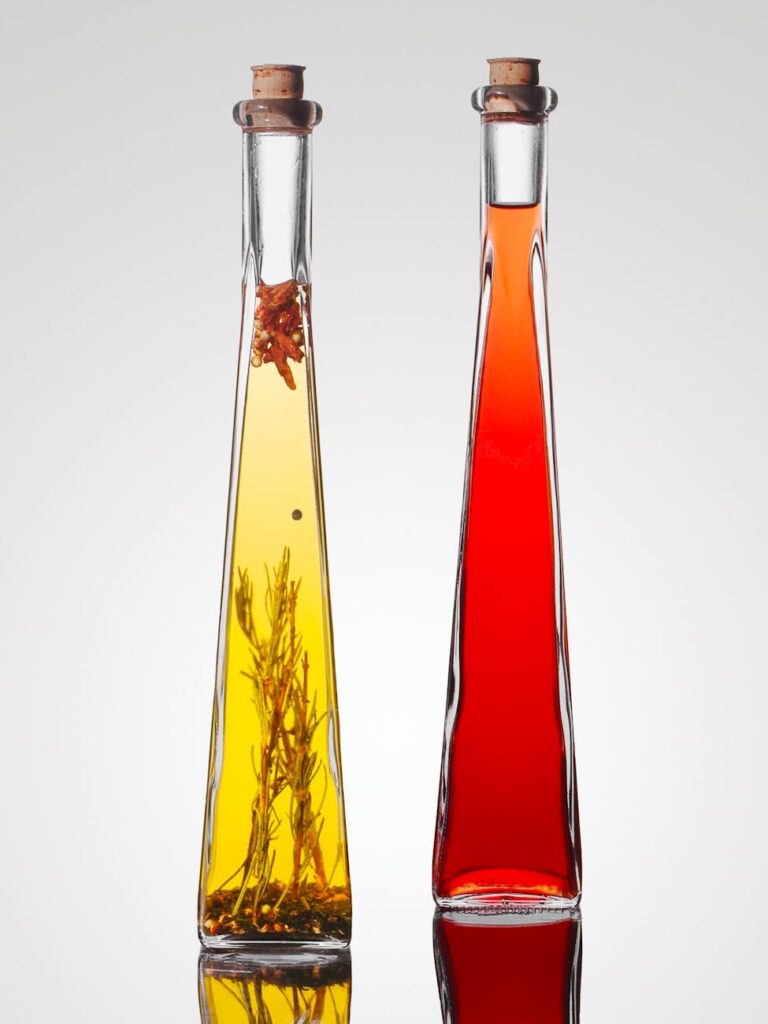
History and Origins of Herbal Infused Vinegars for Health Benefits
Introduction
Herbal infused vinegars have garnered attention in recent years not only for their culinary uses but also for their potential health benefits. These infusions carry a historical legacy that spans centuries and cultures, combining the ancient art of herbalism with the practical uses of vinegar. This article delves into the rich history and origins of herbal infused vinegars, exploring their properties, benefits, common applications, and safety considerations.
What Is Herbal Infused Vinegars for Health Benefits?
Herbal infused vinegar is a form of vinegar that has been steeped with various herbs, spices, or fruits to extract their flavors, colors, and potential health benefits. The process involves submerging these ingredients in vinegar—commonly apple cider vinegar, white wine vinegar, or rice vinegar—for a period of time, allowing the vinegar to absorb the active compounds present in the herbs. The result is a tangy, aromatic liquid that can be used for culinary, medicinal, and aromatic purposes.
Historically, vinegar has been recognized not only as a preservative but also as a medium for herbal extraction. The acidic environment of vinegar helps to draw out beneficial compounds from the herbs, making it an effective carrier for the properties of the botanicals used.
Key Benefits and Properties
The benefits of herbal infused vinegars stem from both the vinegar itself and the herbs used in the infusion. Here are some key properties:
1. Acetic Acid Content: The primary component of vinegar, acetic acid, is known for its antimicrobial properties and ability to help balance blood sugar levels. This makes herbal infused vinegars a popular choice for those seeking to incorporate these benefits into their diets.
2. Antioxidant Properties: Many herbs commonly used in infusions, such as rosemary, thyme, and basil, are rich in antioxidants. These compounds help combat oxidative stress in the body, which can contribute to chronic diseases.
3. Digestive Aid: Vinegar has long been used as a digestive aid. It can help stimulate digestive enzymes and improve gut health, making herbal infused vinegars a beneficial addition to meals.
4. Flavor Enhancement: Beyond health benefits, herbal infused vinegars enhance the flavor of dishes. They can add a unique twist to dressings, marinades, and sauces, making them both tasty and nutritious.
Common Uses
Herbal infused vinegars can be utilized in various ways:
Culinary Applications
1. Salad Dressings: A few tablespoons of herbal infused vinegar can elevate a simple salad by adding depth and character.
2. Marinades: The acidic nature of vinegar helps tenderize meats, while the flavors from the herbs can impart richness to the dish.
3. Sauces and Dips: Incorporating herbal infused vinegar into sauces or dips adds complexity and a hint of herbal freshness.
4. Pickling: This vinegar can serve as an excellent base for pickling vegetables, infusing them with herbaceous flavors.
Household Uses
1. Cleaning Agent: The antibacterial properties of vinegar make it an effective natural cleaner. Herbal infused vinegars can leave a pleasant aroma when used for cleaning surfaces.
2. Air Freshening: Adding a few drops of herbal infused vinegar to a diffuser can help neutralize odors and create a fresh environment.
Aromatherapy Applications
While herbal infused vinegars are primarily known for their culinary and health-related uses, they also have a place in aromatherapy. The aromas of the herbs infused in the vinegar can evoke emotional responses and promote relaxation. Some common applications include:
1. Bath Soaks: Adding herbal infused vinegar to bathwater may enhance relaxation, especially if the infusion includes calming herbs like lavender or chamomile.
2. Compresses: A dilute solution of herbal infused vinegar can be used in compresses to soothe tired muscles or skin irritations. The aromatic properties of the herbs may also provide additional comfort.
3. Massage Oils: A few drops of herbal infused vinegar can be combined with carrier oils for massages, allowing the therapeutic qualities of the herbs to penetrate the skin while offering an aromatic experience.
Safety Considerations
While herbal infused vinegars are generally safe for use, it is essential to keep the following considerations in mind:
1. Quality of Ingredients: Always use high-quality, organic herbs and vinegar to ensure the best possible outcome. Contaminated ingredients can lead to adverse effects.
2. Dilution: When using herbal infused vinegar for topical applications or aromatherapy, it is crucial to dilute it properly to avoid skin irritations.
3. Allergies: Be aware of any allergies to specific herbs or vinegar types before use. Conduct a patch test if applying topically.
4. Consultation: If you have existing health conditions or are pregnant, consult a healthcare professional before incorporating herbal infused vinegars into your regimen.
Storage and Shelf Life
Proper storage of herbal infused vinegars is essential to maintain their quality and effectiveness. Here are some guidelines:
1. Dark Glass Bottles: Store herbal infused vinegars in dark glass bottles to protect them from light, which can degrade the herbal properties over time.
2. Cool, Dark Place: Keep the bottles in a cool, dark place, such as a pantry or cupboard, to extend their shelf life.
3. Shelf Life: Generally, herbal infused vinegars can last from 6 months to a year when stored correctly. However, it is advisable to check for any changes in smell, color, or sediment before use.
Frequently Asked Questions
1. How do I make herbal infused vinegar?
To make herbal infused vinegar, simply combine your chosen herbs with vinegar in a clean glass jar. Seal the jar and let it sit in a cool, dark place for 2-4 weeks, shaking it gently every few days. After the infusion period, strain the mixture and store it in a dark glass bottle.
2. Can I use any type of vinegar for infusions?
Yes, you can use various types of vinegar for infusions, including apple cider vinegar, white wine vinegar, and rice vinegar. Each type will impart its unique flavor profile to the infusion.
3. How can I tell if my herbal infused vinegar is still good?
Check for any changes in smell, color, or sediment. If the vinegar has an off-putting odor or appears cloudy, it may have spoiled and should not be used.
4. Can I use dried herbs for infusions?
Yes, dried herbs can be used for infusions. However, fresh herbs typically yield a more potent flavor and aroma.
5. Are there any herbs that should not be used in vinegar?
Certain herbs, like those high in volatile oils (e.g., mint and basil), may not infuse well in vinegar due to their tendency to degrade. It is best to research specific herbs if you are unsure.
Conclusion
Herbal infused vinegars are a fascinating blend of culinary art and traditional herbal medicine, carrying a historical significance that continues to resonate in modern practices. While their benefits and uses are diverse, they should be approached with an understanding of their properties and potential applications. By incorporating these infusions into daily life, individuals can enjoy the rich flavors and possible health benefits that herbal infused vinegars have to offer.