
History and Origins of Herbal Infused Vinegars for Medicinal Use
Introduction
Herbal infused vinegars have a rich and diverse history that intertwines with traditional medicine and culinary practices across the globe. This ancient method of extraction utilizes vinegar as a solvent to capture the beneficial properties of various herbs, making it a versatile addition to both kitchens and apothecaries. This article delves into the historical context, uses, and benefits of herbal infused vinegars, providing a comprehensive overview of their medicinal applications.
What Is Herbal Infused Vinegars for Medicinal Use?
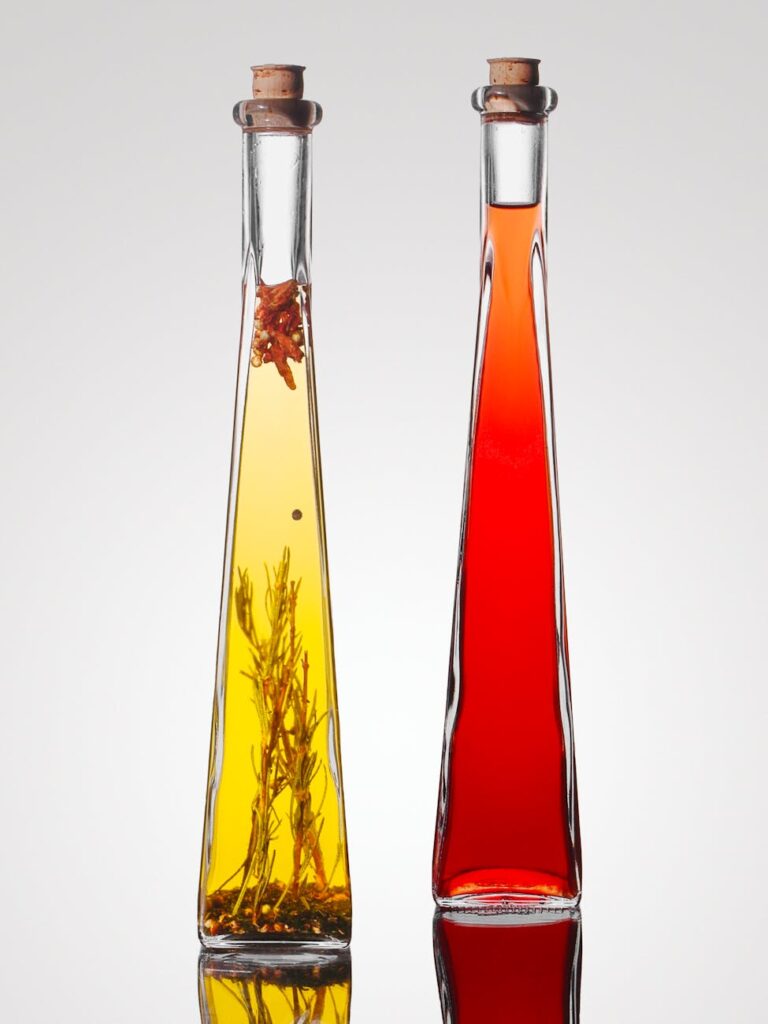
Herbal infused vinegar is created by steeping herbs, fruits, or spices in vinegar. The vinegar acts as a solvent, extracting the essential oils, flavors, and medicinal properties from the plant material. This process can be performed using different types of vinegar, such as apple cider vinegar, white wine vinegar, or rice vinegar, each contributing its unique flavor and potential health benefits.
The infusion process typically involves a ratio of one part herbs to three parts vinegar, allowing the mixture to sit for several weeks in a cool, dark place. After this period, the mixture is strained to yield a vibrant liquid that can be used in various ways.
Key Benefits and Properties
Herbal infused vinegars are celebrated for their potential health benefits, many of which derive from the properties of the herbs used. Some key benefits include:
1. Digestive Health: Many herbs, such as fennel and ginger, are known for their digestive properties. Infusing these herbs in vinegar may enhance digestive function and promote gut health.
2. Antioxidant Properties: Vinegars, particularly apple cider vinegar, are rich in antioxidants. Herbal infused vinegars can further amplify these benefits by incorporating herbs known for their antioxidant properties, such as rosemary and thyme.
3. Anti-Inflammatory Effects: Certain herbs possess anti-inflammatory properties, which may help alleviate discomfort in the body. Infused vinegars can serve as a flavorful way to incorporate these herbs into one’s diet.
4. Flavor Enhancement: Beyond their medicinal uses, herbal infused vinegars add depth and complexity to culinary dishes, making them not only beneficial but also enjoyable.
5. Preservation: The acidity of vinegar acts as a natural preservative, allowing the infused product to have a longer shelf life while retaining the beneficial properties of the herbs.
Common Uses
Herbal infused vinegars have a range of applications in both culinary and medicinal contexts. Some common uses include:
- Salad Dressings: A staple in many kitchens, herbal infused vinegars can elevate salad dressings, providing both flavor and health benefits.
- Marinades: Infused vinegars can be used in marinades for meats, tofu, or vegetables, imparting flavor while also tenderizing proteins.
- Health Tonics: Some individuals consume small amounts of herbal infused vinegars as a tonic, believing that this practice may support overall well-being.
- Herbal Remedies: Depending on the herbs used, infused vinegars can be employed in various home remedies for everyday ailments, such as sore throats or digestive discomfort.
- Quality of Ingredients: Always use high-quality, organic herbs and vinegar to ensure the absence of harmful chemicals or additives.
- Allergies and Sensitivities: Be aware of any allergies or sensitivities to specific herbs and consult relevant resources before using them.
- Pregnancy and Nursing: Certain herbs may not be safe during pregnancy or lactation. It is advisable to research and consult reputable sources when considering herbal infused vinegars in such cases.
- Dilution: While vinegar has beneficial properties, it is acidic and can be harsh on tooth enamel and digestive systems if consumed in excessive amounts. Diluting infused vinegar with water or other liquids before consumption can help mitigate these effects.
- Cool, Dark Location: Store your infused vinegar in a cool, dark place, away from direct sunlight. A pantry or cupboard is typically ideal.
- Sealed Containers: Use airtight glass containers, such as mason jars, to prevent contamination and maintain freshness.
- Shelf Life: Herbal infused vinegars can last for several months, often up to a year. However, it’s important to monitor for any signs of spoilage, such as changes in color, odor, or the presence of mold.
Aromatherapy Applications
While herbal infused vinegars are not typically associated with aromatherapy in the traditional sense, they can complement aromatherapy practices in unique ways. The scents of the herbs can be uplifting and soothing, making them suitable for creating a calming environment when included in bath rituals or foot soaks.
Additionally, the act of using herbal infused vinegars in cooking or as a health tonic can be part of a holistic approach to well-being, enhancing the overall sensory experience. The aromatic properties of the herbs used can contribute to a sense of relaxation and wellness, aligning with the principles of aromatherapy.
Safety Considerations
When using herbal infused vinegars, it is essential to consider safety precautions:
Storage and Shelf Life
Proper storage is crucial for maintaining the quality and potency of herbal infused vinegars. Here are some guidelines:
Frequently Asked Questions
1. Can I use any type of vinegar for infusing herbs?
Yes, you can use various types of vinegar, such as apple cider vinegar, white wine vinegar, or rice vinegar. The choice often depends on personal preference and the flavor profile desired.
2. How long should I let the herbs steep in the vinegar?
Typically, herbs should steep for about 2 to 4 weeks. The longer they steep, the stronger the infusion will be. It’s advisable to taste the vinegar periodically to determine when it has reached your desired flavor.
3. Are there any herbs that should not be used for infusion?
While many herbs are suitable for infusion, it’s essential to avoid any that are known to be toxic or harmful. Consulting a reliable herbal reference book or an herbalist can provide guidance on safe options.
4. Can I use herbal infused vinegars for cleaning purposes?
Yes, herbal infused vinegars can be used as natural cleaning agents due to their acidity and antibacterial properties. However, it’s essential to ensure the herbs used are safe and non-toxic.
5. How do I incorporate herbal infused vinegars into my diet?
You can incorporate herbal infused vinegars into your diet by using them in salad dressings, marinades, or simply by diluting them with water and consuming them as a health tonic.
Conclusion
Herbal infused vinegars represent a beautiful intersection of culinary art and traditional herbal medicine. With a history steeped in diverse cultures and practices, they offer a range of benefits that extend beyond flavor enhancement. By understanding their origins, uses, and safety considerations, individuals can appreciate and utilize these infused vinegars in their daily lives, embracing their potential for promoting well-being in a natural and flavorful way.