
History and Origins of Herbal Mood-Enhancing Aromatherapy Blends
Introduction
The use of plants and their extracts to influence mood and promote emotional well-being has been practiced across cultures for millennia. Herbal mood-enhancing aromatherapy blends combine the wisdom of ancient traditions with modern scientific understanding to create therapeutic experiences. This article delves into the historical roots, benefits, applications, and safety considerations associated with these aromatic blends, providing insights into their enduring popularity in contemporary wellness practices.
What Is Herbal Mood-Enhancing Aromatherapy Blends?
Herbal mood-enhancing aromatherapy blends are combinations of essential oils derived from plants, herbs, and flowers that are specifically formulated to influence emotional states and promote mental well-being. These blends harness the innate properties of various botanicals, utilizing their aromatic compounds to create a holistic approach to emotional health. The scents of these oils can evoke memories, alter perceptions, and enhance mood, making them powerful tools in aromatherapy practices.
Key Benefits and Properties
The benefits of herbal mood-enhancing aromatherapy blends are manifold, impacting both emotional and physical well-being. Some key properties include:
1. Stress Relief: Many essential oils, such as lavender and chamomile, are known for their calming effects, helping to reduce anxiety and stress levels.
2. Mood Enhancement: Citrus oils, like bergamot and orange, are uplifting and can help elevate mood, bringing a sense of joy and positivity.
3. Sleep Support: Blends containing sedative oils, such as ylang-ylang and sandalwood, can promote relaxation and support restful sleep.
4. Emotional Balance: Oils like geranium and frankincense can help to stabilize emotions, fostering a sense of tranquility and balance.
5. Cognitive Function: Certain oils, such as rosemary and peppermint, are believed to enhance focus and mental clarity, aiding in cognitive performance.
Common Uses
Herbal mood-enhancing aromatherapy blends can be employed in various settings and for numerous purposes:
1. Home Environment: Many individuals diffuse these blends in their living spaces to create an inviting atmosphere that fosters relaxation or invigoration.
2. Massage Therapy: Blends are often used in conjunction with massage oils to enhance the emotional and physical benefits of touch therapy.
3. Bathing Rituals: Adding these oils to bathwater can create a spa-like experience, promoting relaxation and mental clarity.
4. Meditation and Mindfulness: Incorporating aromatic blends during meditation can deepen the experience, helping to ground the mind and elevate the spirit.
5. Personal Care Products: Herbal blends are commonly added to lotions, creams, and other personal care products to enhance their emotional and sensory appeal.
Aromatherapy Applications
There are several methods for applying herbal mood-enhancing aromatherapy blends, each offering unique benefits:
1. Diffusion
Using an essential oil diffuser is one of the most popular methods for dispersing aromas throughout a space. This technique allows for the gradual release of essential oils into the air, creating a pleasant and therapeutic environment.
2. Inhalation
Inhaling essential oils directly from the bottle or through a cotton ball can provide immediate effects. This method is particularly effective for quick mood enhancement or stress relief.
3. Topical Application
Diluting essential oils in a carrier oil and applying them to the skin allows the user to experience both the aromatic and therapeutic benefits. Common areas for application include pulse points, such as wrists and temples.
4. Bathing
Adding essential oils to bathwater can create a luxurious and restorative experience. It is advisable to use a suitable emulsifier, such as milk or honey, to prevent the oils from floating on the surface.
5. Inhalation Blends
Creating personal inhalers or roll-on blends allows for portable and convenient aromatherapy. These blends can be carried in bags or pockets, providing on-the-go relief.
Safety Considerations
While herbal mood-enhancing aromatherapy blends are generally considered safe for most individuals, several precautions should be taken:
1. Dilution: Essential oils are highly concentrated and should be diluted in a carrier oil before topical application to prevent skin irritation.
2. Sensitivity Testing: It is advisable to conduct a patch test when using a new oil for the first time to check for allergic reactions.
3. Pregnancy and Nursing: Pregnant or nursing individuals should consult a healthcare professional before using essential oils, as some may not be safe during these periods.
4. Children and Pets: Special care should be taken when using essential oils around children and pets, as they may be more sensitive to certain compounds.
5. Quality of Oils: Ensure that the essential oils used are of high quality, preferably organic or sourced from reputable suppliers, to avoid contaminants and synthetic additives.
Storage and Shelf Life
Proper storage of herbal mood-enhancing aromatherapy blends is crucial for maintaining their potency and effectiveness. Here are some key points to consider:
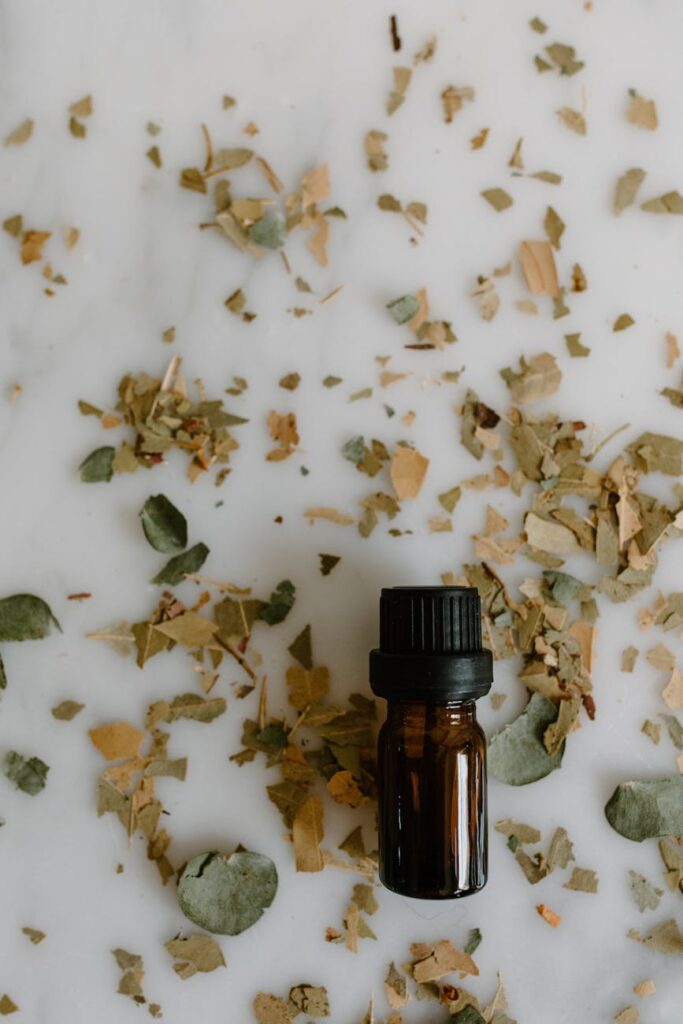
1. Containers: Essential oils should be stored in dark glass bottles to protect them from light, which can degrade their quality.
2. Cool, Dry Environment: Oils should be kept in a cool, dry place, away from direct sunlight and heat, to extend their shelf life.
3. Shelf Life: The shelf life of essential oils varies depending on the type. Generally, citrus oils have a shorter shelf life (around 1–2 years), while oils like sandalwood and patchouli can last for several years if stored correctly.
Frequently Asked Questions
1. How do I choose the right blend for my mood?
Choosing the right blend involves identifying your emotional state and selecting oils that are known for their specific properties. For example, if you’re feeling anxious, consider blends with lavender or chamomile. If you seek energy, citrus oils may be more suitable.
2. Can I create my own blends?
Yes, creating your own blends can be a rewarding experience. Start by selecting a few essential oils that resonate with you, and experiment with different ratios. Keep notes on your combinations to refine your blends over time.
3. Are there any side effects associated with essential oils?
Although essential oils are generally safe, some individuals may experience allergic reactions or sensitivities. It is essential to do a patch test before applying oils to the skin and to use them in moderation.
4. Can herbal mood-enhancing aromatherapy blends replace therapy or medication?
While aromatherapy can be a valuable complementary practice, it should not replace professional mental health treatment or medication. It is always advisable to consult with healthcare professionals for serious emotional or psychological concerns.
5. How can I incorporate aromatherapy into my daily routine?
Incorporating aromatherapy into your daily life can be simple. Consider diffusing essential oils in your home, using them in personal care products, or carrying a personal inhaler for on-the-go support.
Conclusion
The history and origins of herbal mood-enhancing aromatherapy blends reflect a rich tapestry of cultural practices and herbal knowledge. While modern science continues to explore the complexities of aromatherapy, the timelessness of these blends speaks to their effectiveness in promoting emotional well-being. By understanding their properties, applications, and safety considerations, individuals can incorporate these aromatic treasures into their wellness practices, enriching their lives with the healing power of nature.