
History and Origins of Herbal Mood-Enhancing Essential Oil Blends
Introduction
The use of essential oils for mood enhancement has a rich history that spans various cultures and eras. Herbal mood-enhancing essential oil blends encompass a variety of natural plant extracts, each offering unique aromatic properties that can influence emotional states and overall well-being. This article delves into the historical context, definitions, benefits, uses, and safety considerations associated with these aromatic compounds.
What Are Herbal Mood-Enhancing Essential Oil Blends?
Herbal mood-enhancing essential oil blends are mixtures of concentrated plant extracts derived from various parts of plants, including flowers, leaves, stems, and roots. These blends are specifically formulated to promote emotional well-being, enhance mood, and alleviate stress. The oils are typically extracted through methods such as steam distillation or cold pressing, capturing the essence of the plant’s aromatic compounds.
Common components of these blends may include oils such as lavender, bergamot, ylang-ylang, and chamomile. Each oil possesses distinct characteristics, making the combination of different oils particularly effective in addressing a range of emotional needs.
Key Benefits and Properties
The benefits of herbal mood-enhancing essential oil blends are numerous, with effects varying based on the specific oils used. Some of the key properties include:
1. Anxiolytic Effects: Certain oils, like lavender and chamomile, are renowned for their ability to reduce anxiety and promote a sense of calm.
2. Elevating Mood: Citrus oils such as bergamot and sweet orange are frequently used for their uplifting properties, helping to combat feelings of sadness or lethargy.
3. Stress Relief: Blends incorporating oils like frankincense and sandalwood can provide grounding effects, promoting relaxation and reducing stress levels.
4. Sleep Enhancement: Oils such as valerian and cedarwood are often included in blends aimed at improving sleep quality, facilitating a restful night’s sleep.
5. Focus and Clarity: Certain oils, including peppermint and rosemary, are known for their stimulating properties, aiding in concentration and mental clarity.
Common Uses
Herbal mood-enhancing essential oil blends can be utilized in various contexts, enhancing both personal and communal experiences. Common uses include:
- Aromatherapy Diffusers: One of the most popular ways to enjoy essential oil blends is through diffusers, which disperse the oils into the air, creating a fragrant and mood-enhancing environment.
- Topical Application: When diluted with a carrier oil, blends can be applied to pulse points or massaged into the skin for localized effects.
- Bath Soaks: Adding essential oils to bathwater can create a soothing and aromatic experience, enhancing relaxation and mood.
- Inhalation: Direct inhalation of essential oils from the bottle or a personal inhaler can provide immediate mood enhancement.
- Craft and DIY Projects: Essential oils are often incorporated into homemade candles, soaps, and skin care products, allowing individuals to personalize their aromatic experiences.
- Layering Scents: Combining top, middle, and base notes creates a well-rounded blend. For instance, a blend might start with a bright citrus top note, followed by a floral middle note, and finished with a grounding base note.
- Synergistic Blending: This technique involves selecting oils that enhance each other’s properties, leading to a more potent effect. For example, combining lavender and bergamot can create a powerful mood-lifting blend.
- Personalization: Individuals can craft blends that resonate with their unique emotional needs, making the practice of blending both personal and therapeutic.
- Dilution: Essential oils are highly concentrated and should always be diluted with a carrier oil before topical application to prevent skin irritation.
- Patch Test: Conducting a patch test on a small area of skin can help identify any potential allergic reactions.
- Consultation: Individuals with specific health concerns, pregnant or breastfeeding women, and those on medications should consult a healthcare professional before using essential oils.
- Quality Assurance: Selecting high-quality, pure essential oils from reputable sources is crucial, as synthetic or adulterated oils may not provide the desired benefits and could pose safety risks.
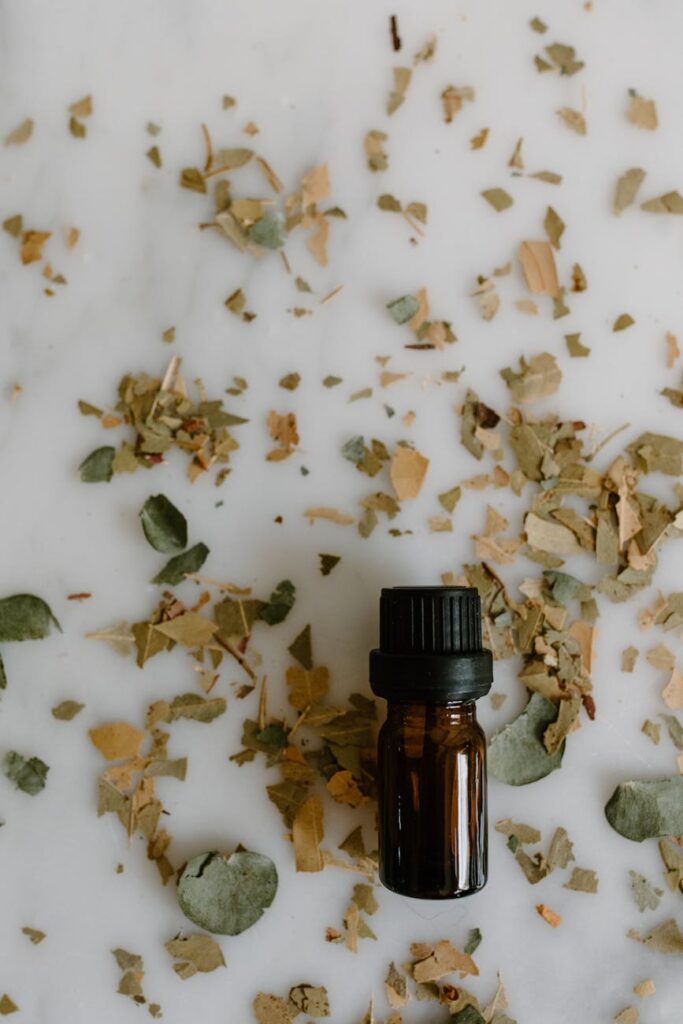
- Dark Glass Bottles: Store oils in dark glass bottles to protect them from light, which can degrade the oils over time.
- Cool Temperatures: Keeping oils in a cool, dark place, away from direct sunlight and heat sources, extends their shelf life.
- Expiration Dates: While essential oils do not have a specific expiration date, most have a shelf life of 1-3 years. Citrus oils tend to have a shorter shelf life compared to woody or resinous oils.
- Signs of Spoilage: An off smell, change in color, or cloudiness can indicate that an oil has spoiled and should not be used.
Aromatherapy Applications
Aromatherapy, the practice of using essential oils to promote emotional and physical well-being, is a key application area for herbal mood-enhancing blends. The effectiveness of aromatherapy is rooted in the olfactory system, where scent interacts with the limbic system of the brain, influencing emotions and memory.
Blending Techniques
Creating effective herbal mood-enhancing blends often involves understanding the properties of various oils and how they interact. Some blending techniques include:
Safety Considerations
While herbal mood-enhancing essential oil blends are generally safe when used appropriately, certain precautions should be taken:
Storage and Shelf Life
Proper storage of essential oils is essential to maintain their potency and efficacy. Here are some guidelines:
Frequently Asked Questions
1. What is the best way to use essential oil blends for mood enhancement?
Using a diffuser is one of the most effective methods, as it disperses the aromatic compounds into the air. Alternatively, topical application with a carrier oil or adding oils to a bath can also be beneficial.
2. Can essential oils be harmful?
While essential oils are generally considered safe when used correctly, they can cause skin irritation or allergic reactions in some individuals. Always perform a patch test and consult a healthcare professional if uncertain.
3. Are all essential oils mood-enhancing?
Many essential oils have properties that can influence mood, but their effects can vary widely. It’s essential to choose oils based on individual emotional needs and preferences.
4. How long do the effects of essential oils last?
The duration of effects can vary based on the individual and method of use. Aromatic effects from diffusing may last for several hours, while topical applications may provide longer-lasting benefits.
5. Can I create my own blends?
Absolutely! Personalizing your blends can enhance emotional resonance, making the experience more meaningful. Experimenting with different combinations can yield unique and effective results.
Conclusion
The history and origins of herbal mood-enhancing essential oil blends reveal a rich tapestry of cultural practices and botanical knowledge. With their diverse applications and potential emotional benefits, these blends continue to be a valuable resource for individuals seeking to enhance their well-being. By understanding the properties, uses, and safety considerations of these essential oils, one can embrace the art of aromatherapy and enhance their emotional landscape naturally.