
History and Origins of Herbal Mood-Soothing Essential Oil Blends
Introduction
The use of essential oils for emotional well-being has a rich history that spans across cultures and centuries. Herbal mood-soothing essential oil blends are particularly noteworthy, as they reflect humanity’s enduring quest for balance and tranquility. This article delves into the historical origins, benefits, applications, and safety considerations of these aromatic compounds, providing a comprehensive understanding of their role in modern wellness practices.
What Is Herbal Mood-Soothing Essential Oil Blends?
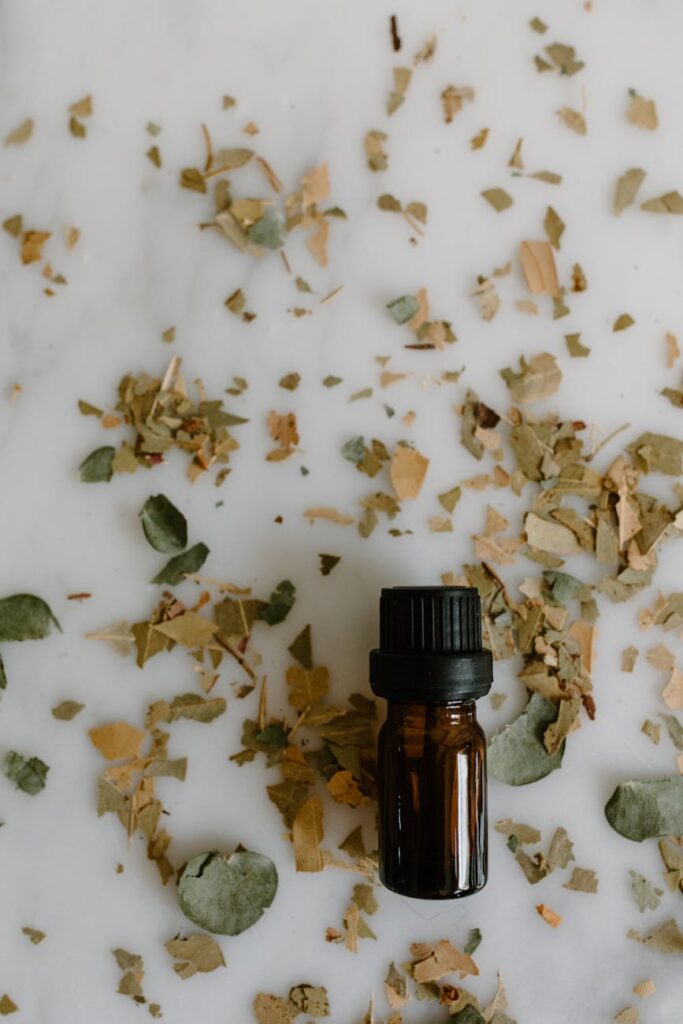
Herbal mood-soothing essential oil blends are concentrated extracts derived from various parts of plants, including flowers, leaves, stems, and roots. These oils capture the plant’s aromatic compounds, which are believed to influence mood and emotional states. Blends typically combine several essential oils, each selected for its unique properties and synergistic effects. Common ingredients in these blends include lavender, chamomile, bergamot, and ylang-ylang, among others.
The formulation of these blends is often guided by traditional practices as well as contemporary research into the psychological and emotional benefits of essential oils.
Key Benefits and Properties
The benefits of herbal mood-soothing essential oil blends are largely attributed to the chemical constituents of the individual oils. Some of the prominent properties include:
- Relaxation: Oils such as lavender and chamomile are known for their calming effects, which can help alleviate stress and anxiety.
- Mood Enhancement: Citrus oils like bergamot and sweet orange are uplifting and can enhance feelings of joy and positivity.
- Sleep Support: Certain blends may promote restful sleep, with oils like vetiver and sandalwood being particularly noted for their sedative properties.
- Emotional Balance: Oils like ylang-ylang and frankincense are often used to promote emotional stability and reduce feelings of overwhelm.
- Diffusion: One of the most popular methods, using an essential oil diffuser disperses the aromatic compounds into the air, creating a calming atmosphere.
- Topical Application: Blends can be diluted with carrier oils (such as jojoba or coconut oil) and applied to the skin. This method allows for localized benefits, such as reducing tension in specific areas.
- Bathing: Adding essential oils to bathwater can create a luxurious, soothing experience. The combination of warm water and aromatics promotes relaxation.
- Inhalation: Directly inhaling the scent from the bottle or a cotton pad can provide immediate effects, which is particularly useful during moments of stress.
- Personalized Blends: Many aromatherapists create custom blends tailored to individual needs, taking into account personal preferences and emotional states.
- Workshops and Classes: Educational sessions can help individuals learn about the properties of different oils and how to create their own blends effectively.
- Mindfulness Practices: Integrating essential oils into mindfulness or meditation practices can enhance the experience, facilitating deeper relaxation and emotional exploration.
- Dilution: Essential oils are potent and should be diluted with a carrier oil before topical application to avoid skin irritation.
- Patch Testing: It is advisable to perform a patch test prior to extensive use, especially for individuals with sensitive skin.
- Consultation: Individuals who are pregnant, nursing, or have existing health conditions should consult a healthcare professional before using essential oils.
- Quality: The quality of essential oils can vary significantly. It is important to source oils from reputable suppliers, ensuring they are pure and free from additives.
- Dark Glass Containers: Essential oils should be stored in dark glass bottles to protect them from light, which can degrade their quality.
- Cool, Dark Places: Keeping oils in a cool, dark environment away from heat sources can extend their shelf life.
- Shelf Life: The shelf life of essential oils varies. Generally, citrus oils have shorter shelf lives (around 1-2 years), while oils like patchouli and sandalwood can last for several years if stored correctly.
These benefits are derived from a combination of aromatic compounds, which can interact with the limbic system—the part of the brain that regulates emotions.
Common Uses
Herbal mood-soothing essential oil blends are versatile and can be utilized in various forms:
Aromatherapy Applications
Aromatherapy, the practice of using essential oils for therapeutic purposes, plays a crucial role in the application of herbal mood-soothing blends. There are several approaches within aromatherapy that practitioners may use:
Aromatherapy is increasingly gaining recognition in wellness circles, reinforcing the importance of scent in emotional health.
Safety Considerations
While herbal mood-soothing essential oil blends can offer various benefits, it is essential to consider safety guidelines:
Understanding these safety considerations can help maximize the benefits of herbal essential oils while minimizing potential risks.
Storage and Shelf Life
Proper storage of essential oils is crucial for maintaining their potency and efficacy. Here are some guidelines:
By adhering to these storage practices, users can ensure that their herbal mood-soothing essential oil blends remain effective and safe to use.
Frequently Asked Questions
1. Can I create my own herbal mood-soothing blend?
Absolutely! Many individuals enjoy crafting their own blends to suit personal preferences. It is essential to research the properties of each oil and consider the effects you desire.
2. How do I know which essential oils to use for mood enhancement?
Choosing the right essential oils often involves exploring their individual properties. For mood enhancement, citrus oils (like bergamot and lemon) are uplifting, while floral oils (like lavender and chamomile) are calming. Experimenting with different scents can help you discover what resonates with you.
3. Are there any contraindications for using essential oils?
Yes, some essential oils may not be suitable for everyone. Pregnant or nursing individuals, children, and those with certain medical conditions should consult a healthcare professional before using essential oils. Additionally, individuals should always conduct patch tests to assess for allergic reactions.
4. How often can I use essential oils?
The frequency of use can vary based on individual preferences and responses. Many people incorporate essential oils into their daily routines, while others may use them as needed during stressful times.
5. Can essential oils replace traditional medical treatments?
Essential oils can complement traditional medical treatments but should not replace them. It is essential to maintain open communication with healthcare providers regarding the use of essential oils, especially for individuals with specific health concerns.
Conclusion
The historical and cultural significance of herbal mood-soothing essential oil blends underscores their enduring appeal in contemporary wellness practices. By understanding their origins, benefits, and safe applications, individuals can harness the power of these aromatic compounds to enhance emotional well-being. As interest in natural remedies continues to grow, the practice of using essential oils for mood enhancement remains a captivating journey into the world of plant-based healing.