
History and Origins of Herbal Pain Relief Essential Oil Blends
Introduction
The use of essential oils for pain relief is a practice steeped in history, encompassing a rich tapestry of cultural traditions and scientific inquiry. From ancient civilizations to modern holistic practices, the art of blending herbs and oils to alleviate discomfort has evolved over centuries. This article delves into the origins, benefits, applications, and safety considerations regarding herbal pain relief essential oil blends.
What Is Herbal Pain Relief Essential Oil Blends?
Herbal pain relief essential oil blends are combinations of concentrated plant extracts designed to alleviate discomfort and promote a sense of well-being. These essential oils are derived from various parts of plants, including leaves, flowers, stems, and roots. Each oil possesses unique properties that contribute to its effectiveness in pain management.
Common essential oils in these blends include:
- Peppermint Oil: Known for its cooling effect, it may help relieve headaches and muscular pain.
- Lavender Oil: Valued for its relaxing properties, it may assist in reducing tension and stress-related pain.
- Eucalyptus Oil: Often used for its anti-inflammatory properties, it can help ease joint and muscle pain.
- Ginger Oil: Recognized for its warming qualities, it may alleviate soreness and discomfort.
- Massage Therapy: Blending essential oils with a carrier oil (such as coconut or jojoba oil) for use in massage can enhance relaxation and ease muscle tension.
- Topical Applications: Diluted essential oils can be applied directly to the skin, targeting specific areas of discomfort, such as sore joints or muscles.
- Aromatherapy Diffusion: Diffusing essential oils in a room can create a calming environment, which may help alleviate stress-related pain.
- Bath Soaks: Adding essential oils to warm bathwater can provide a soothing experience, promoting relaxation and reducing muscle tension.
- Inhalation: Direct inhalation of essential oils can provide immediate relief, especially for headaches or respiratory discomfort. This can be achieved through direct inhalation, steam inhalation, or using an aromatherapy diffuser.
- Massage: Incorporating essential oil blends into massage therapy can enhance the benefits of touch, promoting relaxation and alleviating muscle tension.
- Personal Inhalers: Small inhalers can be filled with essential oil blends for on-the-go relief, allowing individuals to access comforting scents whenever needed.
- Compresses: Soaking a cloth in a diluted essential oil blend and applying it to sore areas can provide targeted relief.
These oils can be blended in various proportions, creating synergistic effects that enhance their therapeutic potential.
Key Benefits and Properties
Herbal pain relief essential oil blends offer several key benefits and properties:
1. Natural Composition: Unlike pharmaceuticals, essential oils are derived from natural sources, making them appealing to those seeking holistic remedies.
2. Anti-Inflammatory Effects: Many essential oils possess anti-inflammatory properties, which can help reduce swelling and discomfort in conditions like arthritis and muscle strains.
3. Analgesic Properties: Certain essential oils act as natural analgesics, providing relief from pain through various mechanisms, including modulation of pain receptors.
4. Relaxation and Stress Relief: The aromatic compounds in essential oils can promote relaxation, helping to alleviate tension-related pain.
5. Enhanced Circulation: Some oils can stimulate blood flow, which may aid in faster recovery from injuries and reduce muscle soreness.
Common Uses
Herbal pain relief essential oil blends can be utilized in various contexts, including:
Aromatherapy Applications
Aromatherapy is a holistic practice that employs essential oils to enhance physical and emotional well-being. The application of herbal pain relief essential oil blends in aromatherapy can include:
Safety Considerations
While herbal pain relief essential oil blends can be beneficial, safety considerations are paramount:
1. Dilution: Essential oils are highly concentrated and should be diluted with a carrier oil for topical application to prevent skin irritation.
2. Patch Testing: Before applying a new essential oil blend to the skin, it is advisable to conduct a patch test to check for allergic reactions.
3. Contraindications: Certain essential oils may not be suitable for individuals with specific health conditions, pregnant or breastfeeding women, or young children. It is crucial to research each oil’s safety profile.
4. Consultation: While this article does not provide medical advice, consulting qualified health professionals experienced in aromatherapy can help ensure safe and appropriate use.
Storage and Shelf Life
Proper storage is vital for maintaining the potency and effectiveness of essential oils:
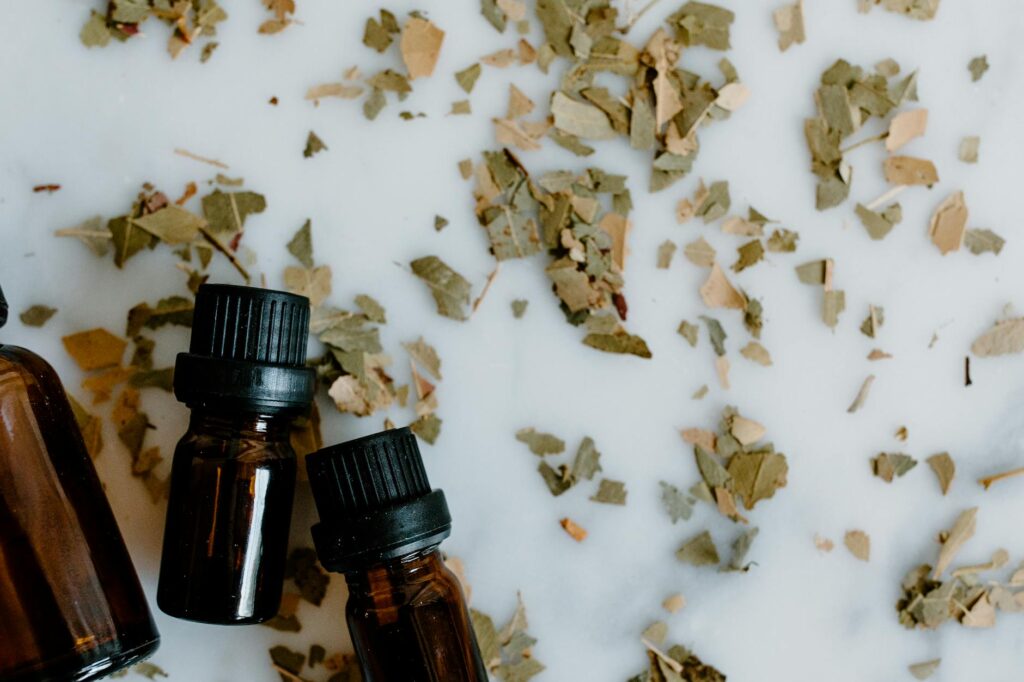
1. Storage Conditions: Essential oils should be stored in a cool, dark place, away from direct sunlight and heat sources. Amber or cobalt glass containers are ideal for protecting oils from light exposure.
2. Shelf Life: The shelf life of essential oils varies depending on their chemical composition. Generally, citrus oils have a shorter shelf life of about 1-2 years, while oils like patchouli and cedarwood can last for several years. It is essential to check for any changes in aroma or consistency, which may indicate degradation.
Frequently Asked Questions
1. Can I use essential oils for chronic pain?
Essential oils may provide temporary relief from chronic pain for some individuals. However, it is essential to consult with a healthcare professional for comprehensive management strategies.
2. How do I dilute essential oils for topical use?
A common dilution ratio is 2-3 drops of essential oil per teaspoon (5 ml) of carrier oil. This concentration is generally safe for topical applications.
3. Are there any essential oils to avoid during pregnancy?
Certain essential oils, such as rosemary and sage, are typically not recommended during pregnancy. Always consult a healthcare professional for personalized advice.
4. Can essential oils interact with medications?
Yes, some essential oils can interact with medications, potentially affecting their efficacy. It is advisable to consult with a healthcare provider if you are taking prescription medications.
5. Is it safe to ingest essential oils?
Ingesting essential oils is controversial and should only be done under the supervision of a qualified professional. Many essential oils are not intended for internal use.
Conclusion
The history and origins of herbal pain relief essential oil blends reveal a profound connection between nature and human well-being. As more individuals seek holistic approaches to pain management, understanding the properties, applications, and precautions associated with these essential oils is essential. While they can offer comforting relief, incorporating them into a broader wellness plan is vital for optimal results. As always, a balanced approach that encompasses various modalities will serve individuals best in their pursuit of health and comfort.