
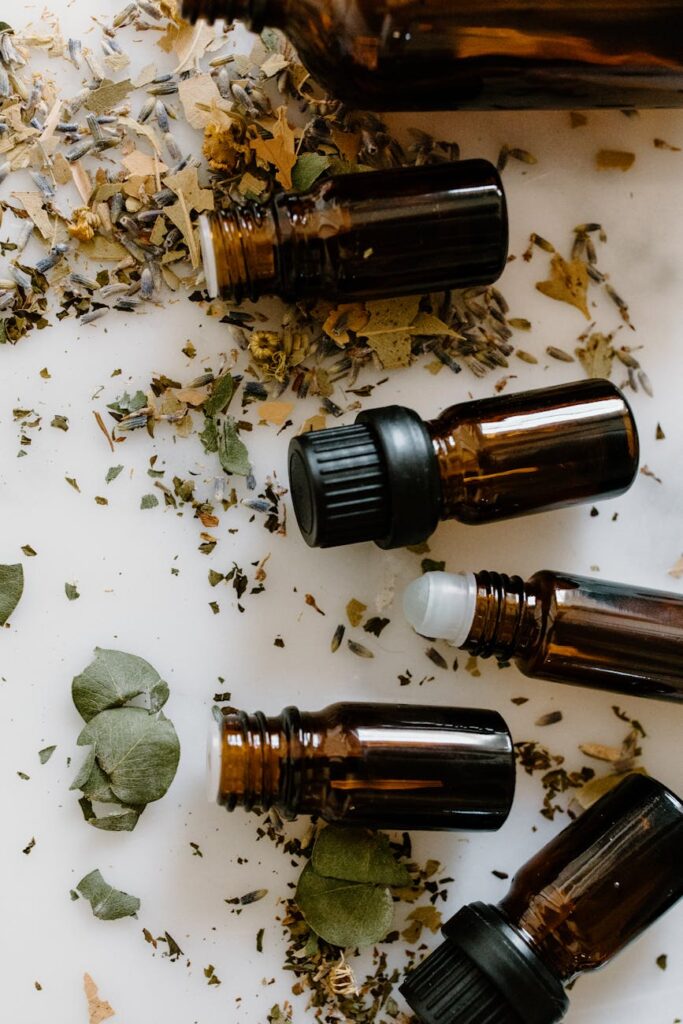
History and Origins of Herbal Relaxation Aromatherapy Blends
Introduction
Aromatherapy, the practice of using essential oils extracted from plants for therapeutic purposes, has roots that extend back thousands of years. Herbal relaxation blends, a specific category within aromatherapy, are designed to promote peace, tranquility, and a sense of well-being. This article explores the historical context, formulation, and application of these blends, providing insights into their evolution and significance in modern wellness practices.
What Is Herbal Relaxation Aromatherapy Blends?
Herbal relaxation aromatherapy blends are mixtures of essential oils derived from plants known for their calming and soothing properties. These blends often include oils such as lavender, chamomile, and bergamot, each contributing unique aromatic profiles and therapeutic benefits. The practice of creating these blends harnesses the natural compounds found in plants, aiming to evoke relaxation, reduce stress, and enhance emotional well-being.
The term “aromatherapy” itself derives from the French words “arôme” (aroma) and “thérapie” (therapy). While essential oils have been used in various forms of traditional medicine, the modern concept of aromatherapy gained prominence in the 20th century, thanks in part to the work of French chemist René-Maurice Gattefossé. He is credited with coining the term and popularizing the use of essential oils for therapeutic purposes.
Key Benefits and Properties
Herbal relaxation aromatherapy blends offer a variety of benefits, primarily focused on emotional and psychological well-being. Some key properties include:
1. Calming Effects: Many essential oils, such as lavender and ylang-ylang, are known for their ability to reduce anxiety and promote a sense of calm.
2. Stress Relief: The inhalation of calming scents can help alleviate stress and tension. Oils like frankincense and sandalwood are often included for their grounding qualities.
3. Sleep Enhancement: Certain blends can facilitate better sleep quality. Oils such as chamomile and valerian root are often included for their sedative properties.
4. Mood Elevation: Citrus oils, like bergamot and sweet orange, can uplift mood and create a sense of happiness, countering feelings of sadness or despair.
5. Mindfulness Support: The act of inhaling essential oils can encourage mindfulness and present-moment awareness, contributing to overall mental health.
Common Uses
Herbal relaxation aromatherapy blends can be used in a variety of settings and methods. Some common applications include:
- Diffusion: Using an essential oil diffuser, these blends can be dispersed into the air, allowing for an ambient scent that fills a room.
- Topical Application: When diluted with a carrier oil, herbal blends can be applied to pulse points such as wrists or behind the ears.
- Bathing: Adding a few drops of a relaxation blend to bathwater can enhance the experience of a warm bath, promoting relaxation.
- Massage: Herbal blends can be incorporated into massage oils, enhancing the physical relaxation benefits of massage therapy.
- Inhalation: Directly inhaling from the bottle or using a personal inhaler can provide quick relief in stressful situations.
- Dilution: Essential oils are highly concentrated and should be diluted with a carrier oil before applying to the skin to avoid irritation.
- Allergies: Individuals should conduct a patch test to check for allergic reactions, especially when using a new essential oil for the first time.
- Pregnancy and Nursing: Pregnant or nursing individuals should consult with a healthcare provider before using essential oils, as some may not be safe.
- Children: Special care should be taken when using essential oils around young children. Always consult guidelines specific to pediatric use.
- Medical Conditions: Those with specific health conditions or taking medications should consult healthcare professionals before using essential oils, as some oils may interact with medications.
- Dark Glass Bottles: Essential oils should ideally be stored in dark glass bottles to protect them from light, which can degrade their quality.
- Cool, Dry Places: Keep essential oils in a cool, dry environment, away from direct sunlight and heat sources.
- Tightly Sealed: Ensure that bottles are tightly sealed to prevent oxidation and evaporation.
- Shelf Life: The shelf life of essential oils can vary. Generally, citrus oils have a shorter shelf life (1-2 years), while oils like sandalwood and patchouli can last for 5-10 years or more if stored properly.
Aromatherapy Applications
The application of herbal relaxation blends can vary depending on individual preferences and circumstances. Here are some popular methods:
1. Diffusers
Using a diffuser is one of the most common ways to disperse essential oils into the air. There are several types of diffusers available, including ultrasonic, nebulizing, and heat-based diffusers. Each type has its own advantages, and users can choose based on their preferences.
2. Roller Bottles
Creating a roller bottle blend allows for convenient, on-the-go application. Combining essential oils with a carrier oil in a small roll-on bottle makes it easy to apply to pulse points.
3. Bath Products
Incorporating herbal blends into bath products, such as bath salts or bath bombs, can create a spa-like experience at home. Essential oils can help transform a simple bath into a relaxing retreat.
4. Personal Inhalers
These small devices allow users to inhale essential oils directly, providing immediate aromatic benefits. They are discreet, portable, and can be customized with personal blends.
5. Candles and Wax Melts
Herbal blends can also be used in candles or wax melts, providing a warm, inviting atmosphere while infusing the space with calming aromas.
Safety Considerations
While herbal relaxation aromatherapy blends are generally considered safe, it is important to observe certain precautions:
Storage and Shelf Life
Proper storage is crucial for maintaining the potency and quality of herbal relaxation aromatherapy blends. Here are some guidelines:
Frequently Asked Questions
Q1: Can I create my own herbal relaxation blends?
Yes, creating your own blends can be a rewarding experience. Start by selecting essential oils that resonate with you and combine them in small batches, adjusting the ratios until you find a blend you enjoy.
Q2: How do I know which essential oils to use for relaxation?
Research the properties of essential oils and consider your personal preferences. Popular options for relaxation include lavender, chamomile, bergamot, and frankincense.
Q3: Can I use herbal relaxation blends in my skincare routine?
While some essential oils can be beneficial for skin, always dilute them in a carrier oil and conduct a patch test to avoid irritation. Consult with a skincare professional if you have concerns.
Q4: How can I incorporate herbal relaxation blends into my meditation practice?
Adding a few drops of a relaxation blend to a diffuser or inhaling from a personal inhaler can create a calming atmosphere, enhancing your meditation experience.
Q5: Are there any specific blends recommended for sleep?
Blends that include lavender, chamomile, and cedarwood are often recommended for promoting restful sleep. Experiment with different combinations to find what works best for you.
Conclusion
The history and origins of herbal relaxation aromatherapy blends reveal a rich tapestry woven through centuries of human experience with plants and their aromatic properties. From ancient cultures to modern wellness practices, these blends continue to serve as powerful tools for enhancing emotional and psychological well-being. By understanding their benefits, applications, and safety considerations, individuals can harness the soothing power of nature to foster relaxation and tranquility in their daily lives.