
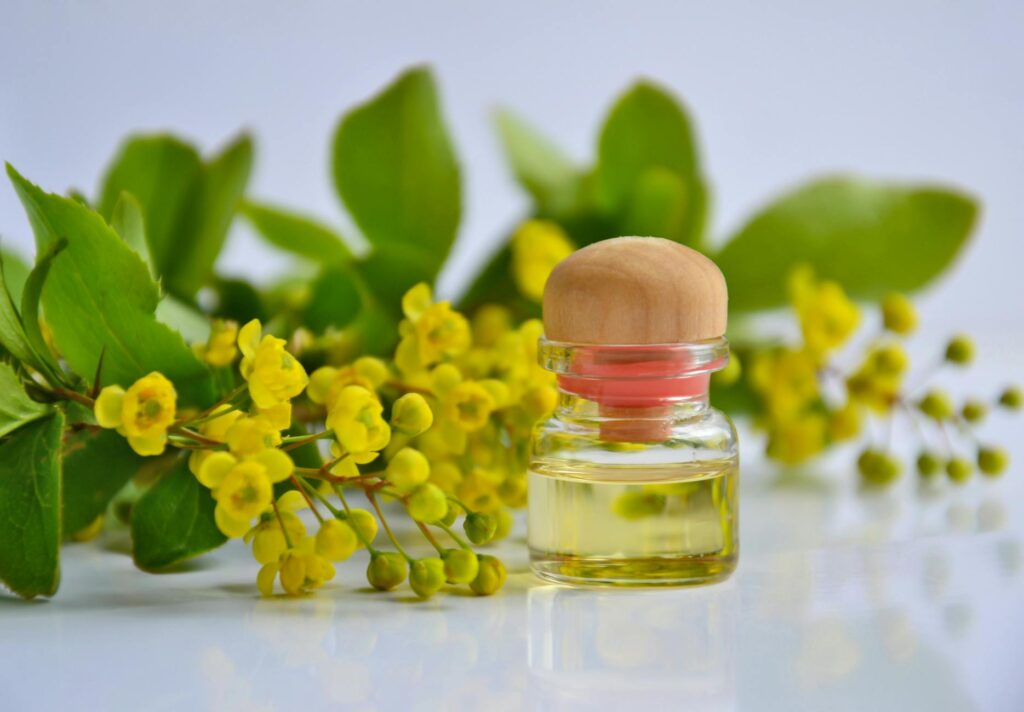
History and Origins of Herbal Relaxation Essential Oil Blends
Introduction
Herbal relaxation essential oil blends have gained significant popularity in recent years as individuals seek natural ways to promote tranquility and well-being. These blends harness the power of plant extracts, combining various essential oils that are believed to have calming properties. Understanding the historical context and origins of these blends provides valuable insight into their significance in modern wellness practices. This article explores the development of herbal relaxation essential oil blends, their benefits, common uses, and safety considerations.
What Is Herbal Relaxation Essential Oil Blends?
Herbal relaxation essential oil blends are mixtures of concentrated plant extracts designed to promote relaxation and alleviate stress. Each essential oil within the blend possesses distinct characteristics, contributing to the overall calming effect. Common essential oils used in relaxation blends include lavender, chamomile, bergamot, and ylang-ylang, among others. These oils are typically extracted through steam distillation or cold pressing, capturing the essence of the plant and its unique aromatic compounds.
The art of blending essential oils is rooted in aromatherapy, a holistic practice that utilizes scents to influence emotional and physical well-being. By combining various essential oils, practitioners can create a synergistic effect that enhances relaxation, making these blends a key component in stress relief routines.
Key Benefits and Properties
Herbal relaxation essential oil blends offer an array of benefits, primarily focused on promoting relaxation and emotional balance. Some key properties include:
1. Anxiolytic Effects: Many essential oils in relaxation blends are known for their ability to reduce anxiety. For example, lavender is often cited for its calming effects on the nervous system.
2. Mood Enhancement: The aromatic qualities of essential oils can uplift mood and create a sense of well-being. Citrus oils like bergamot are frequently included for their uplifting properties.
3. Improved Sleep Quality: Several essential oils, such as chamomile and vetiver, are associated with improved sleep and relaxation, making them ideal for evening routines.
4. Muscle Relaxation: Certain oils, including marjoram and peppermint, have properties that can soothe muscle tension, contributing to an overall sense of relaxation.
5. Emotional Healing: The scents of essential oils can evoke memories and feelings, helping individuals process emotions and achieve emotional balance.
Common Uses
Herbal relaxation essential oil blends can be employed in various contexts, enhancing daily routines and self-care practices. Common uses include:
1. Diffusion: One of the most popular methods for using essential oil blends is through diffusion. A few drops of the blend can be added to a diffuser, allowing the aromatic compounds to disperse into the air, creating a calming atmosphere.
2. Topical Application: When diluted with a carrier oil, essential oil blends can be applied to the skin. This method can enhance relaxation during massages or skincare routines.
3. Bathing: Adding a few drops of herbal relaxation blends to bathwater can create a soothing and aromatic experience, promoting relaxation and stress relief.
4. Inhalation: Direct inhalation of essential oils from the bottle or a tissue can provide immediate calming effects, particularly useful in moments of acute stress.
5. Incorporation in Meditation: Many individuals use essential oil blends during meditation or yoga practices to enhance focus and create a serene environment.
Aromatherapy Applications
The application of herbal relaxation essential oil blends in aromatherapy is vast and varied. Practitioners often customize blends to suit individual needs, taking into account personal preferences and specific stressors. Some common aromatherapy applications include:
1. Personalized Blends: Aromatherapists may create tailored blends based on an individual’s emotional state, lifestyle, and preferences, ensuring a unique approach to relaxation.
2. Workplace Environment: Diffusing herbal relaxation blends in workspaces can help reduce stress levels and increase productivity, creating a more pleasant atmosphere.
3. Home Environment: Incorporating these blends into home routines, such as cleaning or unwinding after a long day, can foster a sense of comfort and relaxation.
4. Workshops and Classes: Many wellness centers and studios offer workshops on blending essential oils, providing participants with the knowledge to create their own relaxation blends.
5. Complementing Other Therapies: Herbal relaxation essential oil blends are often used in conjunction with other holistic practices, such as acupuncture or Reiki, to enhance the overall therapeutic experience.
Safety Considerations
While herbal relaxation essential oil blends are generally considered safe for use, certain precautions should be taken:
1. Dilution: Essential oils are highly concentrated and must be diluted with a carrier oil before topical application to prevent skin irritation.
2. Patch Testing: Individuals should perform a patch test on a small area of skin to check for any allergic reactions before using a new oil blend on larger areas.
3. Avoiding Sensitive Areas: Essential oils should not be applied to sensitive areas, such as near the eyes or mucous membranes.
4. Pregnancy and Nursing: Pregnant or nursing individuals should consult with healthcare professionals before using essential oils, as some may not be safe during these periods.
5. Children and Pets: Special consideration should be given when using essential oils around children and pets, as certain oils may be toxic or irritating. Always seek guidance before use in these contexts.
Storage and Shelf Life
To ensure the longevity and efficacy of herbal relaxation essential oil blends, proper storage is essential. Here are some best practices:
1. Dark Glass Containers: Essential oils should be stored in dark glass bottles to protect them from light, which can degrade their quality over time.
2. Cool, Dry Environment: Oils should be kept in a cool, dry place, away from direct sunlight and heat sources to prevent oxidation.
3. Tightly Sealed: Always ensure that the bottles are tightly sealed to prevent evaporation and contamination.
4. Shelf Life: The shelf life of essential oils varies depending on the oil type, but most have a shelf life of 1–3 years. It is advisable to check for any changes in color, scent, or viscosity, as these can indicate that the oil has gone rancid.
Frequently Asked Questions
What are the most popular essential oils for relaxation?
Some of the most popular essential oils for relaxation include lavender, chamomile, bergamot, ylang-ylang, and frankincense. Each of these oils is known for its unique calming properties.
Can I make my own herbal relaxation essential oil blends?
Yes, many individuals enjoy creating their own blends. Start by selecting a few essential oils known for their relaxing effects and experiment with different ratios until you find a combination that appeals to you.
How do I choose the right essential oil blend for me?
Consider your personal preferences, emotional state, and the specific relaxation benefits you are seeking. It may also be helpful to consult with a qualified aromatherapist for personalized recommendations.
Are there any contraindications for using essential oils?
Yes, certain essential oils may not be suitable for everyone, particularly those who are pregnant, nursing, or have specific health conditions. Always perform research and consult with a professional if unsure.
How do I use essential oils in my home for relaxation?
You can diffuse essential oils in a diffuser, add them to bathwater, or create a relaxing room spray. Incorporating them into your daily routine can enhance your overall sense of well-being.
Conclusion
The history and origins of herbal relaxation essential oil blends reflect a rich tapestry of cultural practices and botanical knowledge. As individuals increasingly turn to natural remedies for stress relief, these blends serve as a powerful tool for promoting relaxation and emotional balance. By understanding their applications, safety considerations, and benefits, individuals can integrate these essential oils into their wellness routines, fostering a sense of tranquility and well-being that has been appreciated for centuries.