
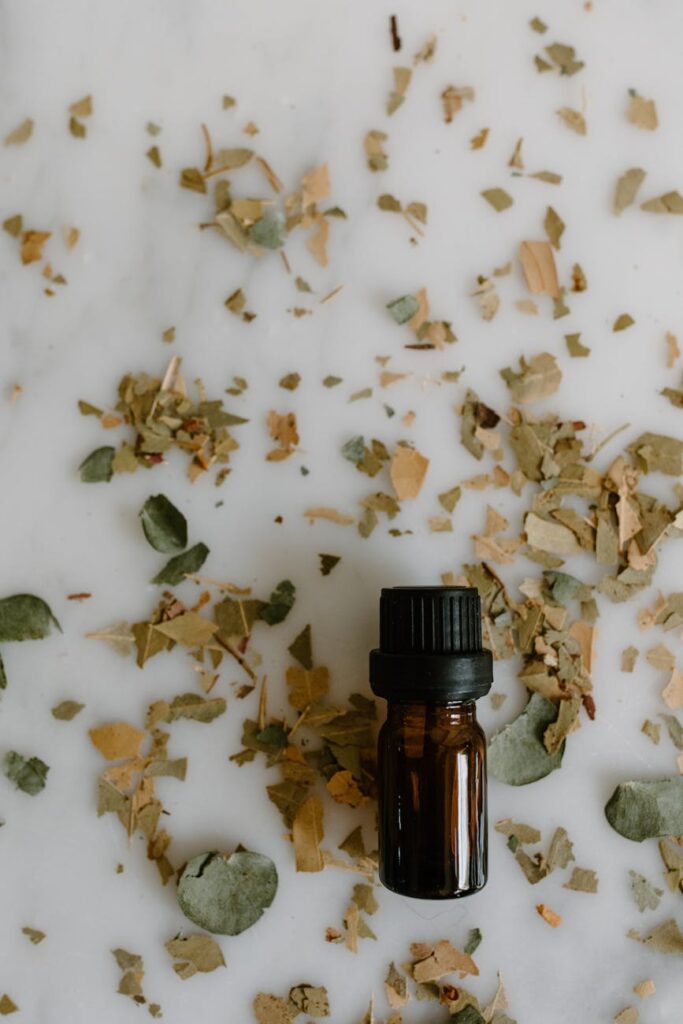
History and Origins of Herbal Respiratory Relief Essential Oil Blends
Introduction
The use of essential oils for respiratory health has a rich history that spans many cultures and centuries. From ancient civilizations to modern holistic practices, herbal blends have been utilized for their therapeutic properties. This article delves into the historical roots, key components, benefits, and applications of herbal respiratory relief essential oil blends, offering insights into their continued relevance in contemporary wellness practices.
What Is Herbal Respiratory Relief Essential Oil Blends?
Herbal respiratory relief essential oil blends consist of various concentrated plant extracts that are specifically formulated to support respiratory health. These blends typically include essential oils derived from herbs known for their soothing, decongestant, and expectorant properties. Common ingredients may include eucalyptus, peppermint, tea tree, pine, and rosemary, among others.
These blends are often crafted to address various respiratory issues, providing relief from symptoms such as congestion, cough, and seasonal allergies. The synergistic effect of combining multiple essential oils enhances their overall efficacy, making them a popular choice in aromatherapy.
Key Benefits and Properties
The herbal constituents within respiratory relief blends offer a range of benefits:
1. Decongestant Properties: Oils like eucalyptus and peppermint work to open the airways, facilitating easier breathing.
2. Antimicrobial Effects: Certain essential oils possess antimicrobial properties that may help combat pathogens affecting respiratory health. Tea tree and thyme oil, for instance, are known for their ability to inhibit the growth of bacteria and fungi.
3. Soothing Properties: Oils such as lavender and chamomile can provide calming effects, which may help ease discomfort associated with coughing and respiratory irritation.
4. Expectorant Qualities: Some essential oils encourage the expulsion of mucus, relieving congestion. This is particularly true for oils like thyme and rosemary.
5. Anti-inflammatory Effects: Many essential oils can help reduce inflammation in the respiratory tract, which can alleviate symptoms associated with conditions like bronchitis or sinusitis.
Common Uses
Herbal respiratory relief essential oil blends can be used in various ways, including:
- Diffusion: Adding a few drops of the blend to a diffuser can help disperse the oils into the air, allowing for inhalation throughout a room.
- Topical Application: When diluted with a carrier oil, these blends can be applied to the chest and back for localized relief.
- Steam Inhalation: Adding essential oils to a bowl of hot water creates a steam inhalation therapy that can help clear nasal passages and promote easier breathing.
- Bath Soaks: Incorporating these oils into a warm bath can provide a soothing experience that promotes relaxation and respiratory relief.
- Seasonal Allergies: Inhaling certain blends may help alleviate symptoms associated with pollen and other allergens.
- Respiratory Infections: During cold and flu seasons, these blends are often used to support respiratory function and comfort.
- Stress Relief: The calming effects of blends that include lavender or chamomile can aid in reducing anxiety, which is beneficial for individuals experiencing respiratory distress.
- Sleep Support: Some essential oils can promote relaxation and better sleep, which is vital for overall health, including respiratory recovery.
- Dilution: Essential oils are highly concentrated and should be diluted with a carrier oil before topical application to prevent skin irritation.
- Patch Testing: It is advisable to conduct a patch test on a small area of skin to check for any adverse reactions before widespread use.
- Pregnancy and Children: Certain essential oils may not be suitable for pregnant women or young children. Consultation with a knowledgeable practitioner is recommended in such cases.
- Allergies and Sensitivities: Individuals with known allergies to specific plants or oils should exercise caution and consult with an expert.
- Inhalation and Diffusion: While inhalation is generally safe, those with respiratory conditions should monitor their reactions and discontinue use if discomfort arises.
- Storage Conditions: Essential oils should be kept in a cool, dark place, away from direct sunlight and heat sources. Amber or cobalt blue glass bottles are preferred for storage as they protect the oils from light degradation.
- Shelf Life: The shelf life of essential oils can vary. Generally, citrus oils have a shorter shelf life (about 1-2 years), while oils like patchouli and sandalwood can last for several years. Regularly check for changes in color, scent, or viscosity, which may indicate that the oil has expired.
Aromatherapy Applications
Aromatherapy leverages the sensory experience of essential oils to enhance well-being. The use of herbal respiratory relief blends in aromatherapy can be particularly beneficial for:
Safety Considerations
While herbal respiratory relief essential oil blends are generally considered safe for use, several precautions should be taken:
Storage and Shelf Life
Proper storage of essential oils is crucial to maintaining their efficacy and safety:
Frequently Asked Questions
1. Can herbal respiratory relief essential oil blends cure respiratory conditions?
While these blends can provide symptomatic relief, they are not intended to cure medical conditions. It is advisable to consult a healthcare professional for persistent respiratory issues.
2. How do I choose the right blend for my needs?
Selecting a blend may depend on specific symptoms or preferences. Researching the properties of individual oils can help you identify which blend aligns with your needs.
3. Are there any contraindications for using these blends?
Yes, certain essential oils may not be suitable for individuals with specific health conditions or those who are pregnant. Always consult a professional if you have concerns.
4. Can I use these oils in a humidifier?
It is generally not recommended to use essential oils in standard humidifiers, as they can damage the machine. Instead, opt for a diffuser specifically designed for essential oils.
5. How often can I use these blends?
Usage frequency may vary based on the method of application. Generally, diffusing oils throughout the day or applying them topically as needed is common practice. Always monitor your body’s response.
Conclusion
The history and application of herbal respiratory relief essential oil blends reveal a longstanding tradition of using nature’s resources to promote health and well-being. While modern research continues to explore the benefits of these essential oils, their historical significance and cultural practices underscore their value in holistic health approaches. By understanding their properties and applications, individuals can effectively incorporate these blends into their wellness routines.