
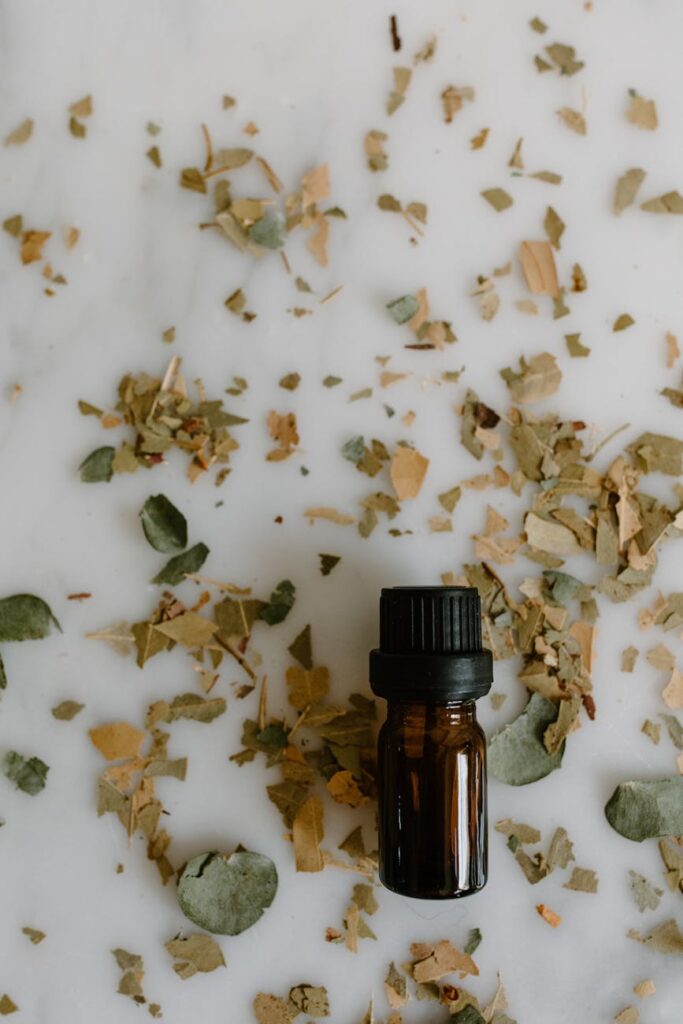
History and Origins of Herbal Respiratory Support Aromatherapy Blends
Introduction
Aromatherapy has a rich history rooted in ancient practices that utilized the healing properties of plants. Among the various applications of aromatherapy, herbal respiratory support blends stand out for their potential to promote respiratory health and well-being. This article explores the history and origins of these blends, tracing their development through various cultures and epochs, and examining their composition, benefits, and applications.
What Is Herbal Respiratory Support Aromatherapy Blends?
Herbal respiratory support aromatherapy blends are specifically formulated mixtures of essential oils derived from plants known for their beneficial effects on the respiratory system. These blends typically include oils such as eucalyptus, peppermint, tea tree, and lavender, which are believed to assist with breathing, clear congestion, and promote overall respiratory wellness.
These blends can be inhaled directly, diffused into the air, or applied topically (when diluted), making them versatile tools in both holistic health practices and everyday wellness routines. The synergy of multiple essential oils enhances their individual properties, creating a harmonious blend that supports respiratory function.
Key Benefits and Properties
The benefits of herbal respiratory support aromatherapy blends are largely attributed to the unique properties of the essential oils they contain. Key benefits include:
1. Decongestant Properties: Oils like eucalyptus and peppermint are known for their ability to open airways and clear mucus, making breathing easier.
2. Antimicrobial Effects: Certain essential oils, such as tea tree and oregano, possess antimicrobial properties that may help to purify the air and support the immune system.
3. Anti-inflammatory Action: Many essential oils can reduce inflammation in the respiratory tract, potentially alleviating symptoms related to respiratory discomfort.
4. Relaxation and Stress Relief: Aromas such as lavender and chamomile can promote relaxation, which may indirectly support respiratory health by reducing stress and anxiety levels.
5. Mood Enhancement: Essential oils can have uplifting effects on mood, contributing to an overall sense of well-being.
Common Uses
Herbal respiratory support aromatherapy blends are used in various contexts, including:
- Home Diffusion: Adding a few drops of the blend to a diffuser allows for the gentle release of aromatic compounds into the air, creating a soothing environment.
- Inhalation: Inhaling the blend directly from the bottle or using a steam inhalation method can offer immediate respiratory support.
- Topical Application: When properly diluted with a carrier oil, these blends can be applied to the chest, back, or wrists for localized benefits.
- Baths: Adding the blend to bathwater can provide a relaxing experience while also promoting respiratory ease.
- Personal Inhalers: Compact inhalers can be created using cotton wicks soaked in the essential oil blend, allowing for on-the-go use.
- Ancient Egypt: The Egyptians utilized aromatic oils for various purposes, including embalming and rituals. Eucalyptus and myrrh were among the plants documented in their writings.
- Traditional Chinese Medicine: In ancient Chinese practices, specific herbs were employed to support respiratory health. Essential oils derived from these herbs have recently been integrated into modern aromatherapy.
- Native American Practices: Indigenous tribes often used aromatic plants for spiritual and medicinal purposes. Plants like sage and cedar were burned to purify the air and promote respiratory well-being.
- European Herbalism: In medieval Europe, herbalists recognized the benefits of various plants for respiratory ailments. The use of herbs such as thyme and rosemary became commonplace in folk medicine.
- Dilution: Essential oils are highly concentrated and should be diluted with a carrier oil before topical application to prevent skin irritation.
- Allergic Reactions: Individuals should conduct a patch test prior to using a new essential oil blend, especially if they have a history of allergies.
- Pregnancy and Nursing: Some essential oils may not be safe for pregnant or nursing women. Consultation with a qualified professional is recommended.
- Children: Caution should be exercised when using essential oils around children. Certain oils may not be suitable for young ones.
- Conditions and Medications: Those with specific health conditions or on medications should consult a healthcare provider before using essential oils.
- Cool, Dark Place: Essential oils should be stored in a cool, dark location away from direct sunlight and heat, which can degrade the oils.
- Amber or Cobalt Bottles: Using dark glass containers helps protect essential oils from light exposure.
- Tightly Sealed: Ensure that bottles are tightly sealed to prevent oxidation and evaporation.
Aromatherapy Applications
Historically, the application of herbal respiratory support aromatherapy blends can be traced back to ancient civilizations:
As the practice of aromatherapy evolved, so did the understanding of how to create effective blends. The early 20th century saw a resurgence in interest in essential oils, thanks in part to pioneers like René-Maurice Gattefossé, who is often credited with coining the term “aromatherapy.”
Safety Considerations
While herbal respiratory support aromatherapy blends can be beneficial, safety is paramount. Here are some key considerations:
Storage and Shelf Life
Proper storage of essential oils is crucial to maintaining their integrity and efficacy. Here are some guidelines:
The shelf life of essential oils can vary, but most oils remain effective for 1-3 years when stored properly. Citrus oils generally have a shorter shelf life, while oils like patchouli and sandalwood may improve with age.
Frequently Asked Questions
What essential oils are commonly found in respiratory support blends?
Common essential oils include eucalyptus, peppermint, tea tree, lavender, rosemary, and lemon. Each oil has unique properties that contribute to respiratory wellness.
Can I make my own herbal respiratory support blend?
Yes, creating your own blend is possible. Start with a base of eucalyptus and peppermint, then add other oils based on your preferences and needs. Always ensure proper dilution.
How often can I use respiratory support blends?
Usage can vary based on individual preferences and needs. Typically, these blends can be used several times a day, but it is wise to monitor your response and adjust accordingly.
Are there specific blends for different respiratory issues?
Yes, blends can be tailored to specific needs. For instance, a blend for seasonal allergies may differ from one designed for general respiratory support.
Is it safe to use essential oils while pregnant?
Certain essential oils may not be safe during pregnancy. It is vital to consult with a healthcare professional before use.
Can I use respiratory support blends in a humidifier?
It is advisable to check the manufacturer’s instructions before using essential oils in a humidifier, as some may not be compatible.
Conclusion
The history and origins of herbal respiratory support aromatherapy blends reflect a rich tapestry of cultural practices and scientific discovery. These blends offer a natural approach to promoting respiratory health, drawing from ancient knowledge and modern understanding of essential oils. As interest in holistic wellness continues to grow, these aromatic blends remain a valuable tool in the pursuit of well-being, embodying the enduring relationship between humans and the plant kingdom.