
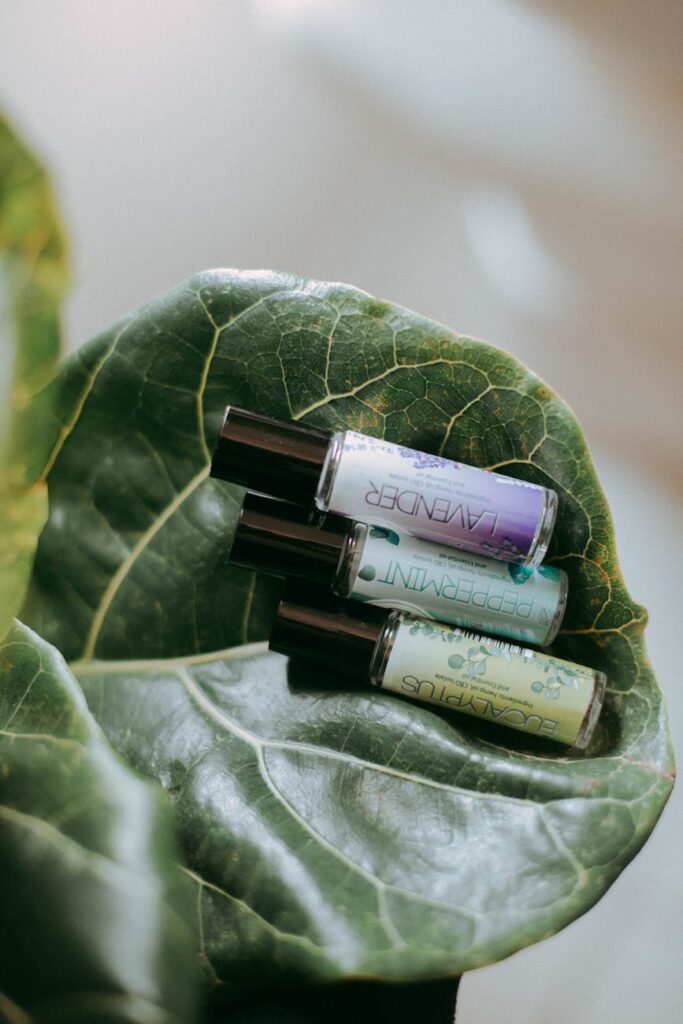
History and Origins of Herbal Skin Care Essential Oil Blends
Introduction
The use of essential oils for skin care is deeply rooted in human history, spanning thousands of years and various cultures. From the ancient Egyptians to modern holistic practitioners, herbal remedies have been employed to enhance skin health and beauty. This article will explore the historical significance, composition, benefits, and applications of herbal skin care essential oil blends, providing a comprehensive overview for those interested in this natural approach to skincare.
What Is Herbal Skin Care Essential Oil Blends?
Herbal skin care essential oil blends are concentrated extracts derived from the leaves, flowers, stems, and roots of aromatic plants. These oils capture the plant’s natural fragrance and beneficial properties, making them popular in cosmetics and skincare formulations. The term “essential oil” reflects the essence of the plant from which it is derived.
These blends often combine multiple essential oils to create synergistic effects, enhancing the overall benefits for skin health. Commonly used oils include lavender, tea tree, chamomile, and rose, each bringing unique attributes to address various skin concerns.
Key Benefits and Properties
Herbal skin care essential oil blends are celebrated for their numerous benefits, which can vary depending on the specific oils used. Some key properties include:
1. Antimicrobial Properties
Many essential oils possess natural antimicrobial characteristics, helping to combat bacteria, fungi, and viruses. For example, tea tree oil is renowned for its ability to treat acne and other skin infections due to its potent antibacterial properties.
2. Anti-inflammatory Effects
Inflammation is a common issue in skin conditions such as eczema and psoriasis. Essential oils like chamomile and lavender are known for their soothing effects, reducing redness and irritation.
3. Antioxidant Activity
Essential oils can also provide antioxidant benefits, protecting the skin from oxidative stress caused by environmental factors. Oils like rosemary and frankincense are rich in compounds that help neutralize free radicals.
4. Moisturizing and Hydrating
Certain essential oils have hydrating properties, making them beneficial for dry or aging skin. Oils such as rose and sandalwood can help to restore moisture and improve skin elasticity.
5. Aromatic Benefits
Beyond their physical properties, essential oils offer aromatherapeutic benefits. The scent of these oils can uplift mood, reduce stress, and promote relaxation, contributing to overall well-being.
Common Uses
Herbal skin care essential oil blends have a wide range of applications in both cosmetic products and DIY formulations. Some common uses include:
1. Facial Oils
Essential oil blends are often incorporated into facial oils to promote hydration, balance oil production, and improve skin texture.
2. Body Lotions and Creams
These blends can enhance commercial lotions or be used in homemade formulations, providing additional nourishment and therapeutic benefits.
3. Bath Soaks
Adding essential oils to bathwater can create a relaxing experience, while also benefiting the skin. Oils like lavender and ylang-ylang are popular choices for this purpose.
4. Acne Treatments
Specific essential oils, such as tea tree and lavender, are used in targeted treatments for acne, promoting clearer skin.
5. Insect Repellents and Soothing Balms
Certain blends can deter insects and soothe skin irritations, making them useful for outdoor activities.
Aromatherapy Applications
The integration of essential oils into aromatherapy practices enhances their benefits beyond topical applications. Aromatherapy utilizes the inhalation of essential oil vapors to promote emotional and physical well-being.
1. Diffusion
Using a diffuser to disperse essential oil blends into the air can create a calming environment, especially in spaces where skin care treatments are performed.
2. Inhalation
Direct inhalation of essential oils can provide immediate therapeutic effects, such as reducing anxiety or enhancing focus, which can indirectly support skin health by reducing stress-related skin issues.
3. Massage
Incorporating essential oils into massage oils can enhance relaxation while also benefiting the skin. The act of massage promotes circulation and allows for better absorption of the oils.
Safety Considerations
While herbal skin care essential oil blends can offer numerous benefits, it is essential to approach their use with caution. Here are some safety guidelines:
1. Dilution
Essential oils are highly concentrated and should be diluted with a carrier oil (such as jojoba, almond, or coconut oil) before applying to the skin to prevent irritation.
2. Patch Testing
Always conduct a patch test before using a new essential oil blend. Apply a small amount to a discreet area of skin and observe for any adverse reactions over 24 hours.
3. Avoid Sensitive Areas
Essential oils should not be applied directly to sensitive areas such as the eyes or mucous membranes.
4. Pregnancy and Health Conditions
Consult a healthcare provider before using essential oils if pregnant, nursing, or if you have specific health concerns.
5. Quality Sourcing
Always choose high-quality, pure essential oils from reputable sources to ensure safety and efficacy.
Storage and Shelf Life
Proper storage is crucial for maintaining the integrity of essential oils. Here are some tips:
1. Keep Away from Light
Essential oils should be stored in dark glass bottles to protect them from light exposure, which can degrade their quality.
2. Cool Environment
Store oils in a cool, dry place to prevent degradation due to heat.
3. Check Expiration Dates
Most essential oils have a shelf life of 1 to 3 years, depending on the type. Always check for any changes in color, smell, or consistency before use.
Frequently Asked Questions
1. Can I use essential oils directly on my skin?
No, essential oils should always be diluted with a carrier oil before topical application to prevent skin irritation.
2. How do I choose the right essential oil blend for my skin?
Consider your skin type and specific concerns. Research the properties of different oils or consult with a knowledgeable practitioner to find suitable blends.
3. Can I mix different essential oils?
Yes, blending different essential oils can create a synergistic effect, enhancing their benefits. However, it is important to research compatibility and safe blending ratios.
4. Are there any essential oils that should be avoided for sensitive skin?
Yes, some oils, such as cinnamon and clove, can be irritating to sensitive skin. Always perform a patch test before use.
5. Can essential oils help with aging skin?
Certain essential oils, such as frankincense and rose, are known for their anti-aging properties and can help improve skin tone and elasticity.
Conclusion
The history and origins of herbal skin care essential oil blends reveal a rich tapestry that spans cultures and centuries. With their diverse benefits and applications, these oils continue to play a significant role in modern skincare practices. By understanding their properties, uses, and safety considerations, individuals can harness the power of nature to enhance their skin health in a holistic manner. Whether through commercial products or DIY formulations, the journey into the world of essential oils offers an exciting avenue for exploring natural beauty and well-being.