
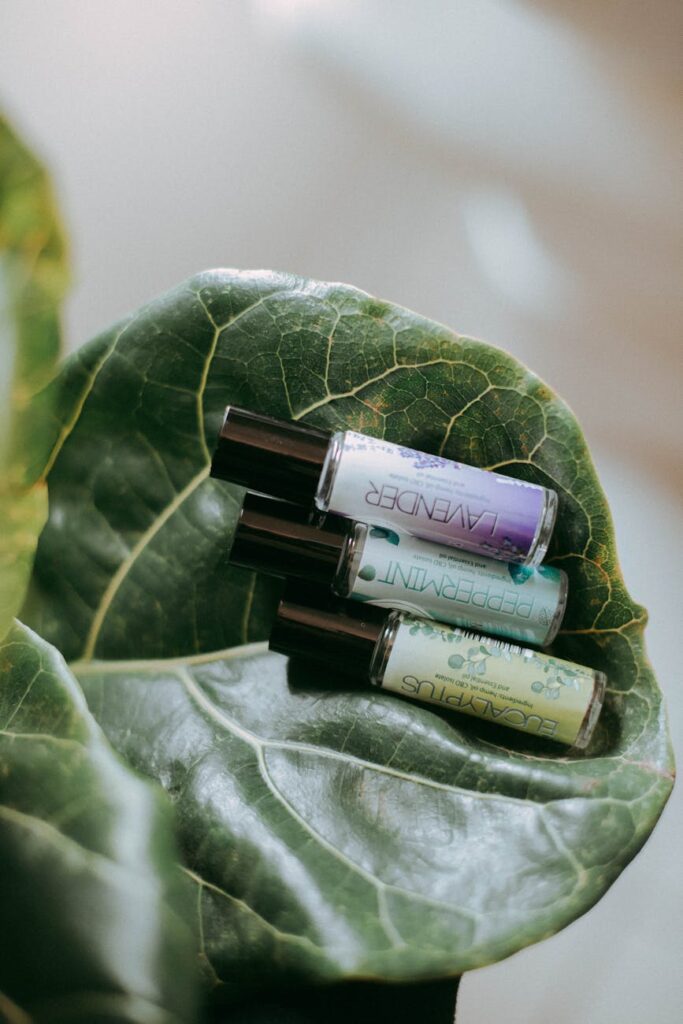
History and Origins of Herbal Sleep Enhancement Essential Oil Blends
Introduction
Throughout history, various cultures have utilized plants for their therapeutic properties, including promoting restful sleep. The use of herbal essential oils for sleep enhancement has evolved into a significant aspect of modern aromatherapy practices. This article explores the history and origins of herbal sleep enhancement essential oil blends, examining their uses, benefits, and the principles underlying their application in promoting relaxation and tranquility.
What Is Herbal Sleep Enhancement Essential Oil Blends?
Herbal sleep enhancement essential oil blends are concoctions made from the concentrated aromatic compounds extracted from various plants. These blends typically include essential oils derived from herbs, flowers, and other botanicals known for their calming and soothing properties. Common components may include lavender, chamomile, cedarwood, and bergamot, among others. These oils are often combined in specific ratios to create synergistic effects, enhancing their overall efficacy for promoting sleep.
Key Benefits and Properties
The primary benefits of herbal sleep enhancement essential oil blends revolve around their ability to promote relaxation and improve sleep quality. Key properties of these oils include:
- Sedative Effects: Many essential oils possess natural sedative qualities that can help reduce anxiety and promote a state of calm.
- Mood Stabilization: Certain oils may help stabilize mood swings, alleviating feelings of stress and irritability that can hinder restful sleep.
- Reduction of Insomnia Symptoms: Regular use of these blends may assist in reducing the symptoms of insomnia, facilitating an easier transition to sleep.
- Support for Circadian Rhythms: Some essential oils may help regulate the body’s internal clock, contributing to improved sleep patterns over time.
- Diffusion: Using an essential oil diffuser, users can disperse the aromatic compounds into the air, creating a soothing atmosphere in bedrooms or relaxation spaces.
- Topical Application: When diluted with a carrier oil, essential oils can be applied to pulse points or the soles of the feet to promote relaxation.
- Bath Soaks: Adding essential oils to a warm bath can enhance relaxation and prepare the body for sleep.
- Pillow Sprays: Creating a pillow spray with essential oils can help establish a calming bedtime routine.
- Inhalation: Direct inhalation from the bottle or a cotton ball can provide immediate calming effects.
- Massage: Incorporating essential oils into massage oils can enhance relaxation during self-massage or professional treatments.
- Steam Inhalation: Adding essential oils to a bowl of hot water and inhaling the steam can create a soothing experience, especially before bedtime.
- Lavender and Chamomile: Known for their calming effects, this blend can help reduce anxiety and promote a sense of peace.
- Bergamot and Cedarwood: This combination not only provides a tranquil aroma but also supports emotional balance.
- Sandalwood and Frankincense: Both oils are revered for their grounding properties, making them ideal for creating a serene bedtime atmosphere.
- Dilution: Essential oils should always be diluted with a carrier oil before topical application to prevent skin irritation.
- Allergies and Sensitivities: Individuals should perform a patch test before using a new oil to check for allergic reactions.
- Pregnancy and Nursing: Pregnant or nursing individuals should consult with a qualified professional before using essential oils.
- Children and Pets: Some essential oils may not be safe for use around children or pets. Research and caution are advised.
- Containers: Essential oils should be stored in dark glass bottles to protect them from light exposure, which can degrade their quality.
- Temperature: A cool, dry place is ideal for storage; extreme temperatures can affect the chemical composition of the oils.
- Shelf Life: While many essential oils can last several years, their shelf life varies. Citrus oils, for example, typically have a shorter shelf life compared to woody oils.
Common Uses
Herbal sleep enhancement essential oil blends can be employed in various ways to create a calming environment conducive to sleep. Common uses include:
Aromatherapy Applications
Aromatherapy, the practice of using aromatic plant compounds for therapeutic benefits, plays a crucial role in the application of herbal sleep enhancement essential oil blends. The process involves inhaling the aromatic molecules, which can stimulate the brain’s limbic system—an area associated with emotions and memory.
Techniques of Aromatherapy
Blending Essential Oils
Creating an effective sleep blend often involves combining multiple essential oils that complement each other’s properties. Here are several popular blends:
Safety Considerations
While herbal sleep enhancement essential oil blends are generally considered safe for use, there are several important precautions to keep in mind:
Storage and Shelf Life
Proper storage of essential oils is vital to maintaining their potency and effectiveness. Here are some guidelines:
Frequently Asked Questions
What are the most popular essential oils for sleep?
Lavender, chamomile, bergamot, cedarwood, and vetiver are among the most popular essential oils known for their sleep-enhancing properties.
How can I use essential oils for better sleep?
Essential oils can be used in various ways, including diffusion, topical application, bath soaks, and pillow sprays, depending on personal preference.
Are there any side effects associated with essential oils?
While essential oils are generally safe, they can cause allergic reactions or skin irritation in some individuals. Always perform a patch test before use, and consult a professional if unsure.
Can essential oils replace sleep medications?
Essential oils are not a substitute for medical treatments or medications for sleep disorders. They may serve as complementary approaches but should not replace professional medical advice.
How can I create my own sleep blend?
To create a sleep blend, combine several essential oils known for their calming effects in a carrier oil or diffuser. Experiment with ratios until you find a blend that suits your preferences.
Conclusion
The history and origins of herbal sleep enhancement essential oil blends reveal a rich tapestry of cultural practices and botanical knowledge. As modern society continues to seek natural solutions for sleep-related challenges, these blends offer a holistic approach rooted in tradition. By understanding the properties, applications, and safety considerations of these oils, individuals can make informed decisions regarding their use, enhancing their journey towards restful and rejuvenating sleep.