
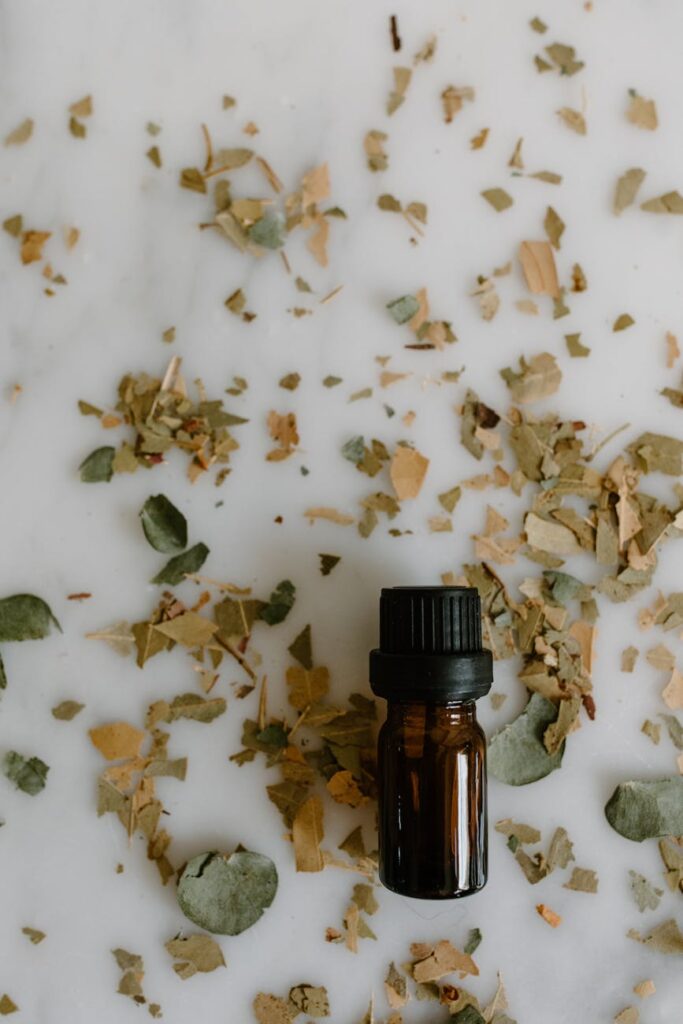
History and Origins of Herbal Sleep Induction Essential Oil Blends
Introduction
Throughout history, humans have sought natural remedies to promote relaxation and improve sleep quality. With the rise of modern medicine, traditional practices often fell by the wayside. However, the growing interest in holistic health has reignited a fascination with herbal sleep induction essential oil blends. These blends are crafted from various plant extracts, each carrying its own unique properties. This article delves into the history and origins of these essential oils, their benefits, common uses, and safety considerations.
What Is Herbal Sleep Induction Essential Oil Blends?
Herbal sleep induction essential oil blends are mixtures of concentrated plant extracts formulated to promote relaxation and facilitate sleep. These blends typically include oils derived from aromatic plants known for their calming and sedative properties. Common ingredients may include lavender, chamomile, bergamot, and sandalwood, among others. The efficacy of these blends largely stems from the chemical compounds found in the essential oils, which can influence the brain’s response to stress and anxiety.
The practice of using essential oils for sleep has roots that span multiple cultures and time periods, from ancient civilizations to contemporary practices that continue to evolve today.
Key Benefits and Properties
Herbal sleep induction essential oil blends offer a variety of benefits, primarily centered around promoting relaxation and improving sleep quality. Some key properties include:
1. Sedative Effects: Many essential oils, such as lavender and chamomile, are known for their sedative effects, helping to calm the nervous system and reduce anxiety levels.
2. Stress Relief: Oils like bergamot and ylang-ylang have been shown to lower cortisol levels, the hormone associated with stress. This reduction can create a more conducive environment for restful sleep.
3. Mood Enhancement: Essential oils can also positively influence mood, promoting feelings of well-being and tranquility. This is particularly useful for individuals struggling with insomnia tied to anxiety or depression.
4. Physical Relaxation: Some essential oils may help alleviate muscle tension, making it easier for the body to transition into a restful state.
5. Sleep Cycle Regulation: Regular use of herbal sleep induction blends may help regulate sleep cycles, improving both the quality and duration of sleep.
Common Uses
Herbal sleep induction essential oil blends can be used in various ways, making them versatile additions to holistic health routines. Common applications include:
- Diffusion: Adding a few drops of the blend to a diffuser can fill the room with calming aromas, creating a serene environment conducive to sleep.
- Topical Application: When diluted with a carrier oil, the blend can be applied to pulse points, such as the wrists or neck. This method allows for direct absorption into the skin, enhancing the relaxation experience.
- Bath Additive: Adding essential oils to a warm bath can create a spa-like experience, promoting relaxation before bedtime.
- Sleep Masks and Pillows: Spraying a diluted blend on sleep masks or pillows can provide a gentle aroma that lulls individuals to sleep.
- Inhalation: Simply inhaling the scent directly from the bottle or placing a few drops on a cotton ball can deliver immediate calming effects.
- Massage Therapy: Incorporating sleep-inducing essential oils into massage therapy can enhance relaxation. The combination of physical touch and calming aromas fosters a deeper state of tranquility.
- Meditation: Utilizing these blends during meditation can help create a peaceful atmosphere, allowing for deeper focus and relaxation.
- Yoga Practices: Many practitioners incorporate essential oils into their yoga routine for enhanced relaxation, particularly during restorative poses or cool-down periods.
- Sleep Rituals: Establishing a calming nightly ritual that includes essential oils can signal the body that it is time to unwind, reinforcing healthy sleep patterns.
- Dilution: Always dilute essential oils with a carrier oil before topical application to avoid skin irritation.
- Patch Testing: Conduct a patch test on a small area of skin to check for allergic reactions before using a new essential oil.
- Pregnancy and Nursing: Pregnant or nursing individuals should consult a healthcare professional before using essential oils, as some may not be safe during these periods.
- Children and Pets: Use caution when using essential oils around children and pets, as certain oils can be harmful. Always consult a qualified expert for appropriate guidelines.
- Quality of Oils: Opt for high-quality, pure essential oils from reputable sources. Synthetic or low-quality oils may contain harmful additives.
- Cool, Dark Place: Store essential oils in a cool, dark location away from direct sunlight and heat, as exposure can degrade their quality.
- Tightly Sealed Containers: Use tightly sealed containers to prevent oxidation and contamination.
- Shelf Life: While essential oils do not spoil in the traditional sense, they do have finite shelf lives. Most essential oils can last from one to three years, depending on the type and storage conditions. It is advisable to check for any changes in aroma or consistency before use.
Aromatherapy Applications
Aromatherapy is a holistic practice that utilizes essential oils to improve physical and emotional well-being. Herbal sleep induction blends fit seamlessly into this practice, offering various applications:
Safety Considerations
While herbal sleep induction essential oil blends can be beneficial, it is essential to use them safely. Consider the following precautions:
Storage and Shelf Life
Proper storage is crucial for maintaining the efficacy and longevity of herbal sleep induction essential oil blends. Consider the following guidelines:
Frequently Asked Questions
1. What are the most commonly used essential oils for sleep?
Lavender, chamomile, bergamot, ylang-ylang, and sandalwood are among the most popular essential oils used for sleep induction.
2. How do I know which essential oil blend is right for me?
It often depends on personal preferences and individual sensitivities. Experimenting with different blends can help identify which scents and combinations resonate best with your relaxation needs.
3. Can I use essential oils if I have allergies?
Individuals with known allergies should exercise caution and consult with a healthcare provider before using essential oils. Patch testing is also recommended.
4. Are there any side effects associated with using essential oils?
While generally considered safe when used correctly, some individuals may experience allergic reactions or skin irritations. It is essential to follow safety guidelines and consult a professional when necessary.
5. Can essential oils replace conventional sleep aids?
Herbal sleep induction essential oil blends can support relaxation and improve sleep quality, but they should not be considered a substitute for medical treatments or advice. Always consult a healthcare professional for persistent sleep issues.
Conclusion
Herbal sleep induction essential oil blends offer a rich tapestry of history, benefits, and applications. With roots deep in ancient traditions and a place in modern holistic practices, these blends serve as tools for promoting relaxation and restful sleep. By understanding their properties, uses, and safety considerations, individuals can harness the power of nature to improve their sleep quality and overall well-being.