
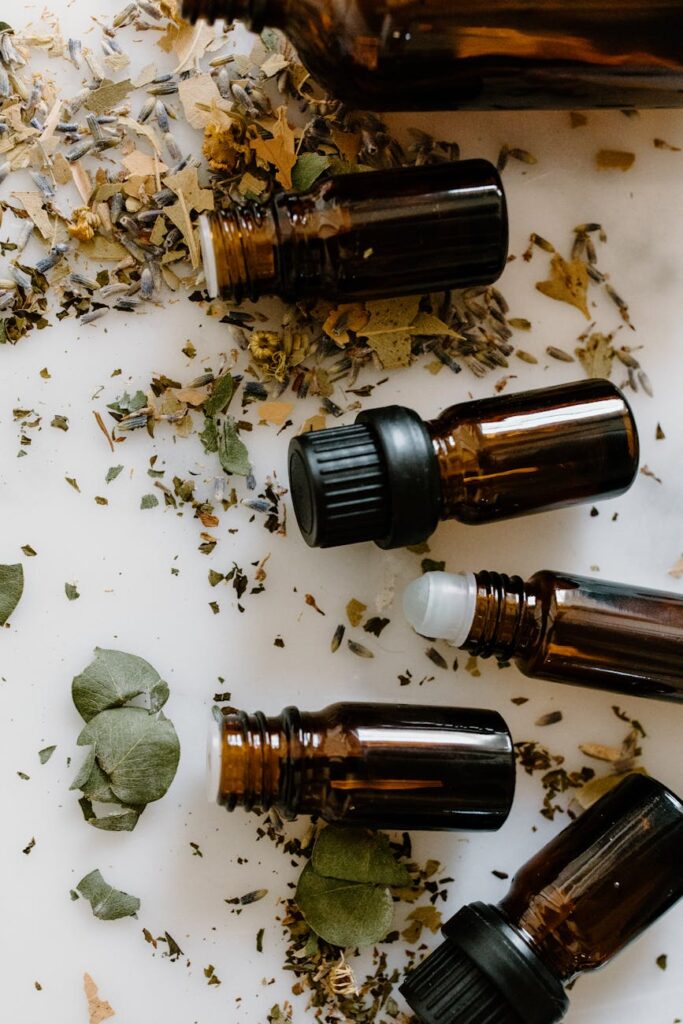
History and Origins of Herbal Sleep Support Aromatherapy Blends
Introduction
Aromatherapy, the practice of using essential oils to promote physical and emotional well-being, has roots that stretch back thousands of years. Among its many applications, herbal sleep support aromatherapy blends have gained prominence for their potential to assist individuals in achieving restful sleep. This article explores the historical context, origins, and development of herbal sleep support aromatherapy blends, along with their benefits, common uses, and applications.
What Is Herbal Sleep Support Aromatherapy Blends?
Herbal sleep support aromatherapy blends are combinations of essential oils derived from various plants, specifically formulated to promote relaxation and improve the quality of sleep. These blends often include oils known for their sedative or calming properties, such as lavender, chamomile, and bergamot. The practice of blending these oils is rooted in the belief that the synergistic effects of multiple oils can enhance their individual properties, making them more effective for sleep support.
The creation of these blends has evolved over time, influenced by ancient traditions, regional practices, and modern research. While modern aromatherapy often emphasizes the importance of quality and purity in essential oils, the historical use of plant-derived materials for sleep and relaxation dates back to ancient civilizations.
Key Benefits and Properties
The key benefits of herbal sleep support aromatherapy blends include:
- Relaxation: Many essential oils used in these blends have calming properties that can help reduce anxiety and stress, creating a conducive environment for sleep.
- Sleep Quality: Certain oils are believed to enhance the quality of sleep, potentially reducing the time it takes to fall asleep and minimizing disturbances throughout the night.
- Mood Enhancement: The aromatic properties of essential oils can positively affect mood, promoting feelings of tranquility and comfort.
- Holistic Approach: Aromatherapy blends offer a natural alternative to pharmaceuticals for those seeking sleep support, appealing to individuals looking for holistic wellness solutions.
- Diffusers: One of the most common methods, diffusing essential oils into the air can create a calming atmosphere conducive to sleep.
- Topical Application: Blends can be diluted with a carrier oil and applied to pulse points, such as the wrists or temples, to promote relaxation and ease tension.
- Baths: Adding a few drops of a sleep support blend to a warm bath can create a soothing environment, enhancing the overall experience of winding down before sleep.
- Pillow Sprays: Spraying a blend onto pillows and bed linens can help infuse the sleeping environment with calming aromas.
- Inhalation: Inhaling the aroma directly from the bottle or from a personal inhaler can provide rapid relief from stress and anxiety.
- Dilution: Always dilute essential oils before applying them to the skin. This minimizes the risk of irritation or adverse reactions.
- Quality: Use high-quality, pure essential oils from reputable sources to ensure safety and efficacy. Synthetic or low-grade oils may contain fillers or harmful chemicals.
- Allergies: Conduct a patch test before using a new blend, especially for those with sensitive skin or known allergies.
- Pregnancy and Nursing: Pregnant and nursing individuals should consult with a healthcare provider before using essential oils, as some may not be safe during these periods.
- Children and Pets: Certain essential oils can be harmful to children and pets. It is advisable to research and consult professionals regarding safe oils for use around these vulnerable groups.
- Cool, Dark Place: Store essential oils in a cool, dark location away from direct sunlight and heat sources. Exposure to light and heat can degrade the quality of the oils over time.
- Sealed Containers: Ensure that bottles are tightly sealed to prevent oxidation and loss of potency.
- Shelf Life: While essential oils do not spoil in the traditional sense, they can lose their effectiveness over time. Most essential oils have a shelf life of 1 to 3 years, depending on the oil. Citrus oils tend to have a shorter shelf life, while oils like patchouli and sandalwood can improve with age.
Common Uses
Herbal sleep support aromatherapy blends can be utilized in various contexts, including:
Aromatherapy Applications
The application of herbal sleep support aromatherapy blends can vary based on individual preferences and needs. Here are some common methods:
1. Essential Oil Diffusion
Using a diffuser allows for the gentle dispersal of essential oils into the air. This method is ideal for creating a calming atmosphere in the bedroom before sleep.
2. Topical Application
Diluting essential oils with a carrier oil, such as coconut or jojoba oil, can enhance absorption and reduce skin irritation. This method is particularly effective when applied to pulse points or areas of tension.
3. Bath Soaks
Incorporating essential oils into a warm bath can create a multisensory experience, combining the calming effects of water with the therapeutic properties of the oils.
4. Sleep Masks
Infusing a sleep mask with essential oils can provide a portable solution for relaxation during travel or in unfamiliar environments.
5. Aromatherapy Jewelry
Wearing jewelry designed to hold essential oils can offer continuous exposure to calming aromas throughout the day, promoting relaxation as bedtime approaches.
Safety Considerations
While herbal sleep support aromatherapy blends are generally considered safe, it is essential to follow certain precautions:
Storage and Shelf Life
Proper storage of essential oils is crucial to maintaining their integrity and effectiveness. Here are some guidelines:
Frequently Asked Questions
1. What are the most commonly used essential oils for sleep support?
Common essential oils used in sleep support blends include lavender, chamomile, bergamot, cedarwood, and ylang-ylang.
2. How long does it take for aromatherapy to work?
The effects of aromatherapy can vary from person to person. Some individuals may feel immediate relief, while others may require consistent use over several nights to notice a significant impact on sleep quality.
3. Can I create my own sleep support blend?
Yes! Many individuals enjoy experimenting with different essential oils to create personalized blends. It is advisable to start with small amounts and test for any adverse reactions.
4. Are there any side effects of using essential oils for sleep?
While generally safe, some individuals may experience skin irritation or allergic reactions. It is crucial to conduct patch tests and consult reputable sources for guidance on safe use.
5. Can I use essential oils if I have allergies?
Individuals with allergies should exercise caution when using essential oils, particularly those with known sensitivities. It is advisable to consult with a healthcare professional for personalized advice.
Conclusion
The history and origins of herbal sleep support aromatherapy blends reflect a rich tapestry of human interaction with nature and the pursuit of wellness. As societies have evolved, so too have the methods and materials utilized for promoting restful sleep. Today, these blends offer a natural approach to sleep support, drawing on centuries of knowledge and tradition. By understanding their properties, uses, and safety considerations, individuals can make informed choices in their journey toward improved sleep and overall well-being.