
History and Origins of Herbal Sleep Support Essential Oil Blends
Introduction
The quest for restful sleep is as old as humanity itself. From ancient civilizations to the modern world, people have sought various remedies to enhance sleep quality, with herbal sleep support being one of the most enduring solutions. Aromatherapy, particularly the use of essential oils, has gained popularity as a natural method for promoting relaxation and sleep. This article delves into the history and origins of herbal sleep support essential oil blends, uncovering the rich traditions and practices that have shaped their use today.
What Is Herbal Sleep Support Essential Oil Blends?
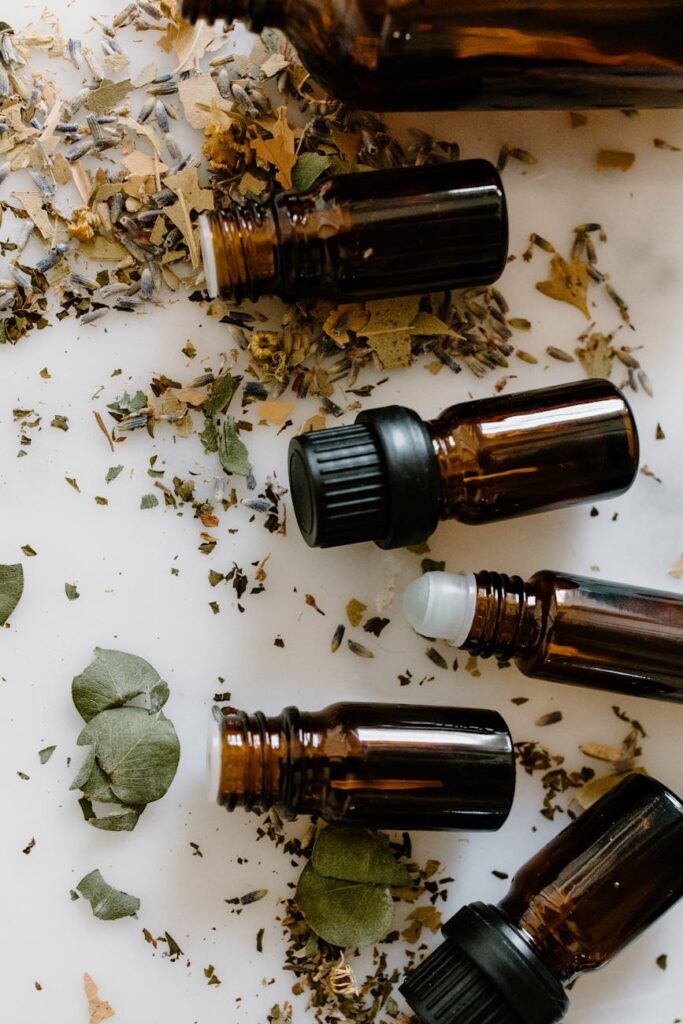
Herbal sleep support essential oil blends are combinations of aromatic plant extracts specifically formulated to promote relaxation, reduce anxiety, and improve sleep quality. These blends typically include essential oils derived from various herbs and plants known for their calming properties, such as lavender, chamomile, and valerian. These oils can be extracted through methods such as steam distillation or cold pressing, allowing the aromatic compounds to be captured in concentrated form.
Essential oil blends for sleep often aim to create a harmonious balance between different oils, maximizing their synergistic effects to promote a restful state. The compositions can vary widely, with some blends focusing solely on a single oil while others incorporate multiple oils for a more complex aroma.
Key Benefits and Properties
The benefits of herbal sleep support essential oil blends are rooted in the unique properties of the individual oils used. Here are some of the key benefits:
1. Calming Effects: Many essential oils, such as lavender and bergamot, are known for their calming effects on the nervous system, helping to reduce stress and anxiety.
2. Sleep Induction: Oils like chamomile and marjoram have historically been used to promote sleep and relaxation, making them common ingredients in sleep blends.
3. Mood Enhancement: Certain oils can enhance mood and create a peaceful environment conducive to sleep, helping to alleviate feelings of restlessness or agitation.
4. Improved Sleep Quality: Regular use of sleep support blends may lead to improved sleep quality, helping individuals achieve deeper and more restorative rest.
5. Aromatherapy Benefits: The aromatic compounds in these oils can stimulate the olfactory system, potentially triggering emotional and psychological responses that promote relaxation.
Common Uses
Herbal sleep support essential oil blends can be utilized in a variety of ways, making them versatile tools for promoting better sleep. Some common uses include:
- Diffusion: Using an essential oil diffuser, individuals can disperse the aroma of the blend throughout a room, creating a calming atmosphere for relaxation and sleep.
- Topical Application: Many blends can be diluted with a carrier oil and applied to pulse points, such as wrists or temples, allowing for direct skin absorption and fragrance.
- Bath Soaks: Adding essential oils to bath water can enhance the relaxation experience, providing a soothing environment before bedtime.
- Pillow Sprays: Creating a pillow spray with essential oils can help individuals unwind as they prepare for sleep, infusing their bedding with calming scents.
- Inhalation: Inhaling the aroma directly from the bottle or a cotton ball can provide immediate calming effects, making it a quick way to promote relaxation.
- Dilution: Essential oils are highly concentrated and should be diluted with a carrier oil before topical application to avoid skin irritation.
- Sensitivity: Individuals should perform a patch test before using a new essential oil blend to check for potential allergic reactions.
- Pregnancy and Nursing: Pregnant or nursing individuals should consult a qualified practitioner before using essential oils, as some oils may not be safe during these times.
- Medical Conditions: Those with pre-existing medical conditions or those taking medications should consult a healthcare provider before using essential oils, as certain oils may interact with medications.
- Children and Pets: Special care should be taken when using essential oils around children and pets, as some oils can be toxic to animals or unsuitable for young children.
- Dark Glass Containers: Essential oils should be stored in dark glass containers to protect them from light, which can degrade their quality over time.
- Cool, Dry Place: Keeping oils in a cool, dry location away from heat sources will help extend their shelf life.
- Tightly Sealed: Ensure that bottles are tightly sealed to prevent oxidation and evaporation.
Aromatherapy Applications
Aromatherapy is a holistic practice that utilizes essential oils to enhance well-being. In the context of sleep support, several applications can be explored:
1. Sleep Rituals: Incorporating essential oil blends into bedtime rituals can signal to the body that it is time to wind down. This may include diffusing oils for a set period before sleep or applying them as part of a pre-sleep skincare routine.
2. Meditation and Relaxation: Essential oils can enhance meditation practices, helping individuals to focus and calm their minds, which is beneficial for sleep preparation.
3. Sleep Environment: Creating a sleep-conducive environment with the right scents can improve the overall quality of sleep. This includes using blends that not only promote sleep but also mask disruptive noises or odors.
4. Massage: Using essential oils in a gentle massage before sleep can promote relaxation and relieve tension in the body, enhancing the overall sleep experience.
Safety Considerations
While herbal sleep support essential oil blends can offer numerous benefits, it is essential to use them safely. Here are some considerations to keep in mind:
Storage and Shelf Life
Proper storage of essential oils is crucial for preserving their quality and efficacy. Here are some guidelines:
In general, essential oils can last anywhere from 1 to 10 years, depending on the specific oil and storage conditions. Citrus oils tend to have shorter shelf lives, while oils like sandalwood and patchouli can last longer.
Frequently Asked Questions
What essential oils are commonly used in sleep blends?
Common essential oils for sleep blends include lavender, chamomile, bergamot, cedarwood, marjoram, and ylang-ylang, among others.
Can I create my own sleep support blend?
Yes, creating a custom sleep support blend is possible! Start with a base oil such as lavender, and then add other oils known for their calming properties. Experimenting with different ratios can help you find a blend that works best for you.
How often can I use herbal sleep support essential oil blends?
These blends can be used nightly as part of a bedtime routine. However, individual preferences and sensitivities may vary, so it’s essential to listen to your body and adjust usage accordingly.
Are there any contraindications to using essential oils for sleep?
Yes, individuals with certain medical conditions, pregnant or nursing women, and those with allergies should exercise caution and consult a healthcare professional before use.
Are herbal sleep support blends effective for everyone?
While many individuals find herbal sleep support blends helpful, their effectiveness can vary based on personal preferences and individual responses to specific scents and oils.
Conclusion
The history and origins of herbal sleep support essential oil blends are rooted in ancient practices that have evolved over time. As more people seek natural alternatives for better sleep, these blends continue to gain popularity. By understanding their benefits, applications, and safety considerations, individuals can make informed choices about incorporating herbal sleep support essential oils into their routines. Whether through diffusion, topical application, or other methods, these blends offer a fragrant pathway to a more restful night.