
History and Origins of Herbal Stress-Reducing Essential Oil Blends
Introduction
The use of essential oils for stress relief dates back thousands of years, weaving through the tapestries of various cultures and civilizations. From the ancient Egyptians who utilized aromatic oils in their religious rituals to the Greeks and Romans who embraced the therapeutic properties of plants, the history of herbal stress-reducing essential oil blends is rich and diverse. This article will explore the origins of these blends, their benefits, common uses, applications in aromatherapy, safety considerations, and more.
What Is Herbal Stress-Reducing Essential Oil Blends?
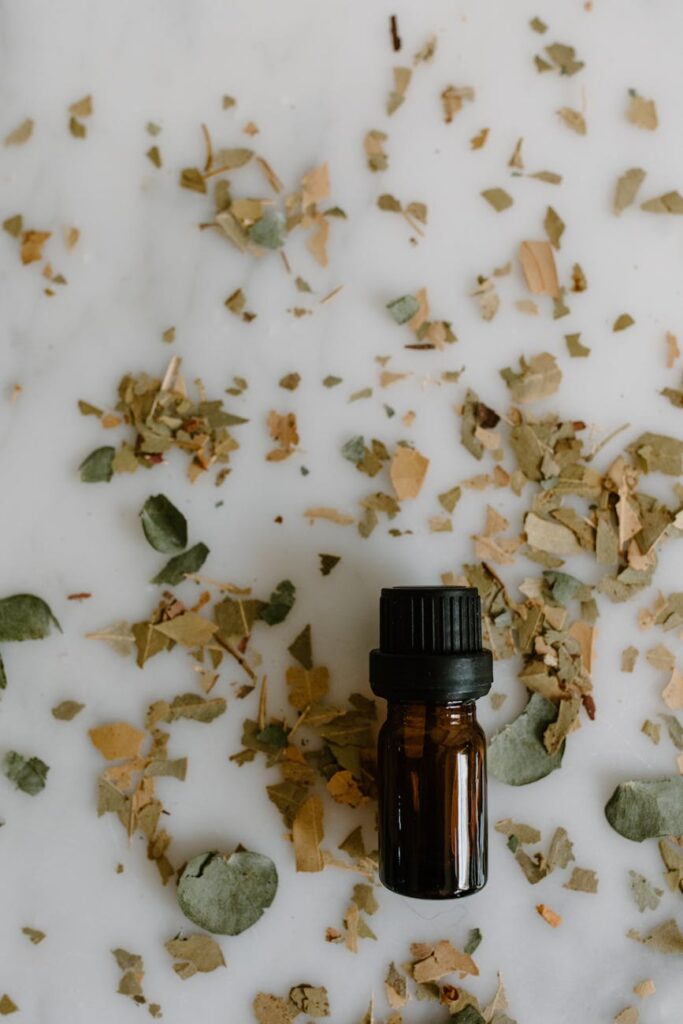
Herbal stress-reducing essential oil blends are combinations of concentrated plant extracts designed to promote relaxation and emotional well-being. These oils are derived from various parts of plants, including leaves, flowers, roots, and bark, and are usually obtained through distillation or cold-pressing methods. The blends often incorporate oils known for their calming and soothing properties, such as lavender, chamomile, bergamot, and ylang-ylang, among others.
These blends are formulated to harness the synergistic effects of multiple essential oils, enhancing their therapeutic potential. The aromatic compounds found in these oils interact with the body’s limbic system, the part of the brain that regulates emotions, thereby influencing mood and stress levels.
Key Benefits and Properties
Herbal stress-reducing essential oil blends offer a multitude of benefits, largely due to the unique chemical compositions of the individual oils they contain. Some of the key benefits include:
1. Anxiety Relief: Many essential oils, such as lavender and chamomile, are known for their anxiolytic properties, helping to alleviate feelings of anxiety and tension.
2. Improved Sleep Quality: Blends that include sedative oils can promote better sleep, helping to combat insomnia and other sleep disorders.
3. Mood Enhancement: Certain oils can uplift the spirit and promote feelings of happiness and contentment, making them effective in combating stress-related mood swings.
4. Relaxation: The calming scents of these blends can help to reduce heart rate and lower blood pressure, facilitating a state of relaxation.
5. Enhanced Focus: Some blends can help improve concentration and cognitive function, allowing individuals to maintain focus in stressful situations.
Common Uses
The applications for herbal stress-reducing essential oil blends are varied and can be tailored to individual preferences. Common uses include:
- Diffusion: Using an essential oil diffuser to disperse the blend into the air, creating a calming atmosphere in any space.
- Topical Application: Diluting essential oils with a carrier oil and applying them to pulse points, such as wrists or temples, for direct inhalation and skin absorption.
- Bath Soaks: Adding a few drops of the blend to bathwater can create a soothing and aromatic experience, enhancing relaxation during a bath.
- Massage: Incorporating the blends into massage oils can enhance the relaxation benefits during a massage.
- Inhalation: Directly inhaling the aroma from the bottle or a cotton wick can provide immediate stress relief.
- Dilution: Always dilute essential oils with a carrier oil before topical application to minimize the risk of skin irritation.
- Sensitivity Testing: Conduct a patch test on a small area of skin before using a new oil or blend to check for allergic reactions.
- Avoiding Certain Populations: Pregnant or breastfeeding individuals, children, and those with certain health conditions should consult a healthcare professional before using essential oils.
- Quality of Oils: Choose high-quality, pure essential oils from reputable sources to ensure safety and efficacy.
- Dark Glass Bottles: Store essential oils in dark glass bottles to protect them from light exposure, which can degrade their quality.
- Cool, Dry Place: Keep oils in a cool, dry environment, away from direct sunlight and heat sources.
- Shelf Life: The shelf life of essential oils varies depending on the oil type. Generally, citrus oils have a shorter shelf life (1-2 years), while oils like patchouli and sandalwood can last several years when stored properly.
Aromatherapy Applications
Aromatherapy is a holistic healing practice that utilizes essential oils to promote physical and emotional well-being. Herbal stress-reducing essential oil blends are a staple in aromatherapy, and their applications include:
1. Personal Inhalers
Personal inhalers are small devices that allow individuals to inhale the essential oil blend directly. This method is particularly useful for on-the-go stress relief, providing a discreet way to access calming scents anytime.
2. Massage Therapy
Incorporating herbal essential oil blends into massage therapy can enhance the overall experience. The therapeutic effects of the oils, combined with the physical benefits of massage, create a powerful stress-relieving treatment.
3. Spa and Wellness Centers
Many spas and wellness centers utilize herbal stress-reducing blends in their treatments, offering clients a multi-sensory experience that promotes relaxation and rejuvenation.
4. Mindfulness Practices
Essential oil blends can complement mindfulness practices such as meditation and yoga. Using specific scents during these activities can deepen the relaxation response and enhance focus.
Safety Considerations
While herbal stress-reducing essential oil blends offer numerous benefits, it is essential to use them safely. Here are some key safety considerations:
Storage and Shelf Life
Proper storage of herbal stress-reducing essential oil blends is crucial to maintain their potency and longevity. Here are some essential storage tips:
Frequently Asked Questions
1. What essential oils are commonly used in stress-reducing blends?
Some popular essential oils for stress reduction include lavender, chamomile, bergamot, ylang-ylang, frankincense, and geranium.
2. How can I create my own herbal stress-reducing blend?
To create a custom blend, start with a base oil (like lavender) and add 2-3 complementary oils (such as bergamot and chamomile). Test the blend in small amounts and adjust according to your preference.
3. Can I use essential oils if I have allergies?
Individuals with allergies should exercise caution when using essential oils. Conduct a patch test, and consult with a healthcare provider if you have known sensitivities.
4. Are there any contraindications for using essential oils?
Certain essential oils can interact with medications or may not be suitable for specific conditions. Always consult a healthcare professional if you have concerns.
5. How often should I use essential oils for stress relief?
The frequency of use can vary based on personal preference and individual response. Many people find benefit in using essential oils daily, while others may use them as needed for stress relief.
Conclusion
The rich history of herbal stress-reducing essential oil blends demonstrates their enduring appeal across cultures and generations. By understanding their origins, benefits, and applications, individuals can make informed choices about how to incorporate these aromatic tools into their lives. Whether through diffusion, topical application, or incorporation into mindfulness practices, the power of these essential oil blends offers a pathway to enhanced well-being and stress relief.