
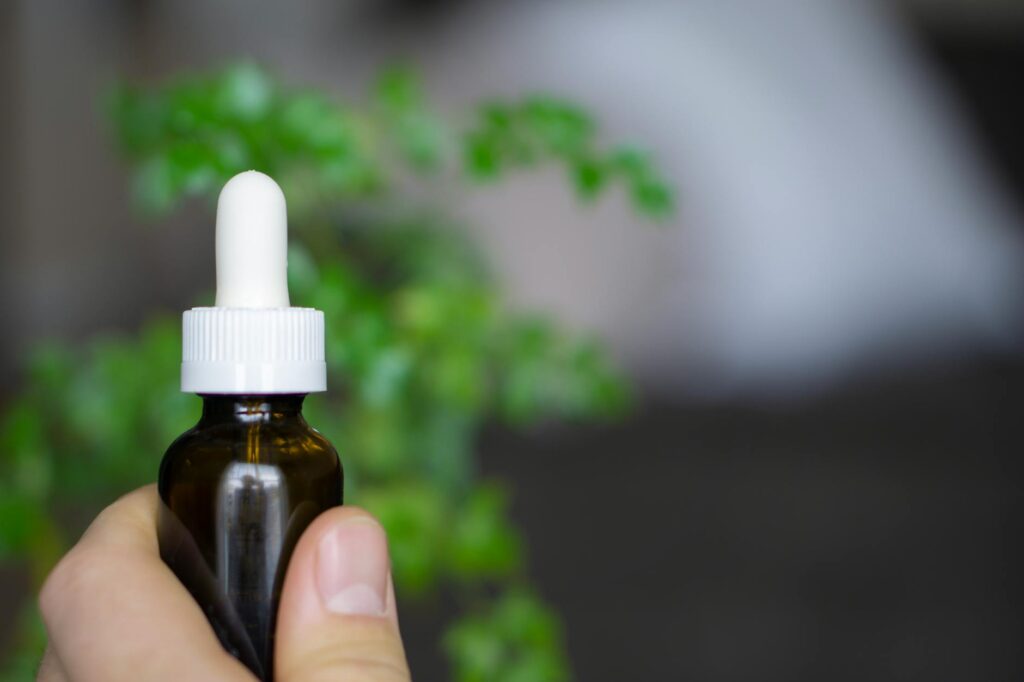
History and Origins of Herbal Tonics
Introduction
Herbal tonics have a rich history rooted in traditional medicine systems across the globe. These natural preparations, derived from plants, have been utilized for centuries to promote health, enhance vitality, and address various ailments. The exploration of herbal tonics reveals not only their diverse applications but also the cultural significance and evolving understanding of their benefits throughout history. This article delves into the origins, properties, and applications of herbal tonics, providing a comprehensive overview for those interested in this fascinating aspect of herbalism.
What Is Herbal Tonics?
Herbal tonics are concentrated preparations made from the extracts of plant materials, including roots, leaves, flowers, and seeds. They are designed to restore balance, enhance vitality, and support overall health. Unlike standard herbal teas or infusions, tonics are often more potent and may come in various forms, including tinctures, syrups, powders, and capsules.
The term “tonic” typically refers to substances that invigorate or strengthen the body’s systems. In herbalism, tonics may be classified based on their specific properties, such as adaptogens (which help the body resist stress), bitters (which support digestion), and nervines (which soothe the nervous system).
Key Benefits and Properties
Herbal tonics offer a wide array of benefits, often depending on the specific plants used in their formulation. Here are some key properties commonly associated with herbal tonics:
1. Adaptogenic Properties: Many herbal tonics include adaptogenic herbs such as ashwagandha, rhodiola, and holy basil, which are believed to help the body adapt to stress and promote emotional balance.
2. Nutritional Support: Herbal tonics may be rich in vitamins, minerals, and antioxidants, providing essential nutrients that support various bodily functions.
3. Digestive Assistance: Some tonics, particularly those containing bitter herbs, can stimulate digestive processes, enhancing nutrient absorption and alleviating digestive discomfort.
4. Immune Support: Certain botanicals, such as echinacea and elderberry, are often included in herbal tonics for their potential to bolster the immune system.
5. Detoxification: Herbal tonics may facilitate the body’s natural detoxification processes, promoting liver and kidney health through diuretic or hepatoprotective actions.
6. Mood Enhancement: Ingredients like chamomile and lemon balm are known for their calming effects, making them popular choices in tonics aimed at promoting relaxation and mental clarity.
Common Uses
Herbal tonics have been employed traditionally for various purposes, often reflecting the cultural practices of different regions. Some common uses include:
- Stress Relief: Many people turn to herbal tonics to manage stress and anxiety, seeking the calming effects of adaptogenic and nervine herbs.
- Digestive Health: Herbal tonics can be consumed to support digestion, alleviate bloating, and enhance appetite.
- Energy Boost: Individuals may use tonics to combat fatigue and enhance mental and physical performance, particularly those containing energizing herbs.
- Seasonal Support: During cold and flu seasons, tonics with immune-boosting properties may be consumed to help maintain health.
- General Wellness: Many individuals incorporate herbal tonics into their daily routines for overall health maintenance, often choosing blends that provide a range of benefits.
- Cool, Dark Place: Store herbal tonics in a cool, dark environment away from direct sunlight and heat, which can degrade the active components.
- Tightly Sealed Containers: Ensure that containers are tightly sealed to prevent exposure to air and moisture.
- Expiration Dates: Always check for expiration dates or indications of shelf life. While many herbal tonics can last for years if stored correctly, some may have limited shelf lives.
- Refrigeration: Some liquid tonics, especially those containing fresh ingredients or perishable components, may require refrigeration to maintain freshness.
Aromatherapy Applications
While herbal tonics are primarily consumed internally, their aromatic properties can also play a significant role in aromatherapy. The essential oils extracted from the same plants used in tonics can be employed for their therapeutic effects when inhaled or applied topically. For instance, chamomile essential oil may be used in diffusers to create a calming atmosphere, while peppermint oil can invigorate and stimulate the senses.
Blending herbal tonics with aromatherapy can provide a holistic approach to wellness, allowing individuals to experience the benefits of both ingestion and olfactory stimulation. In practice, this may involve using essential oils in conjunction with tonic consumption or employing aromatic blends in self-care routines.
Safety Considerations
While herbal tonics are generally considered safe for most individuals, certain precautions should be observed:
1. Quality of Ingredients: It is essential to obtain herbal tonics from reputable sources to ensure the quality and purity of the ingredients.
2. Allergic Reactions: Individuals should be aware of potential allergies to specific herbs and consult with a healthcare professional if uncertain.
3. Pregnancy and Nursing: Pregnant or nursing individuals should exercise caution and consult a healthcare provider before using herbal tonics, as certain herbs may not be safe during these periods.
4. Medication Interactions: Some herbal tonics can interact with prescription medications, potentially altering their effects. It is advisable to consult a healthcare professional if taking any medications.
5. Dosage: Following recommended dosages is crucial, as excessive consumption of certain herbs can lead to adverse effects.
Storage and Shelf Life
Proper storage of herbal tonics is vital to maintain their potency and effectiveness. Here are some guidelines:
Frequently Asked Questions
1. Are herbal tonics safe for everyone?
While many people can safely consume herbal tonics, those with specific health conditions, pregnant or nursing individuals, and those taking medications should consult a healthcare professional before use.
2. How do I choose the right herbal tonic for my needs?
Identifying your goals, whether it’s stress relief, digestive support, or energy enhancement, can help narrow down your options. Consulting with an herbalist or a healthcare provider can also provide personalized recommendations.
3. Can I make my own herbal tonics?
Yes, many people create their own herbal tonics at home using dried or fresh herbs. It is important to research the properties and potential interactions of the herbs you choose to use.
4. How long can I store herbal tonics?
Shelf life varies depending on the type of tonic and its ingredients. Generally, herbal tonics can last from several months to a few years if stored properly. Always check for signs of spoilage or changes in odor.
5. Can herbal tonics be taken with food or drinks?
Many herbal tonics can be taken with food or beverages, but it is advisable to follow the specific instructions provided with the product. Some tonics may have enhanced effects when consumed on an empty stomach.
Conclusion
Herbal tonics embody centuries of tradition and knowledge, serving as a testament to the enduring relationship between humans and plants. As interest in natural remedies continues to grow, understanding the history, benefits, and applications of herbal tonics can empower individuals to make informed choices about enhancing their wellness. Whether used for specific health concerns or as part of a daily routine, herbal tonics represent a rich and fascinating aspect of herbal medicine that transcends cultural boundaries and speaks to our innate connection to nature.