
History and Origins of Holy Basil Oil
Introduction
Holy Basil, scientifically known as Ocimum sanctum or Ocimum tenuiflorum, is an aromatic herb revered in many cultures, particularly in India where it holds a sacred status in Hinduism. Its oil, commonly referred to as Holy Basil Oil, is extracted from the leaves and stems of the plant and is celebrated for its diverse benefits and applications. This article delves into the rich history and origins of Holy Basil Oil, exploring its cultural significance, chemical properties, and various uses, particularly in aromatherapy.
What Is Holy Basil Oil?
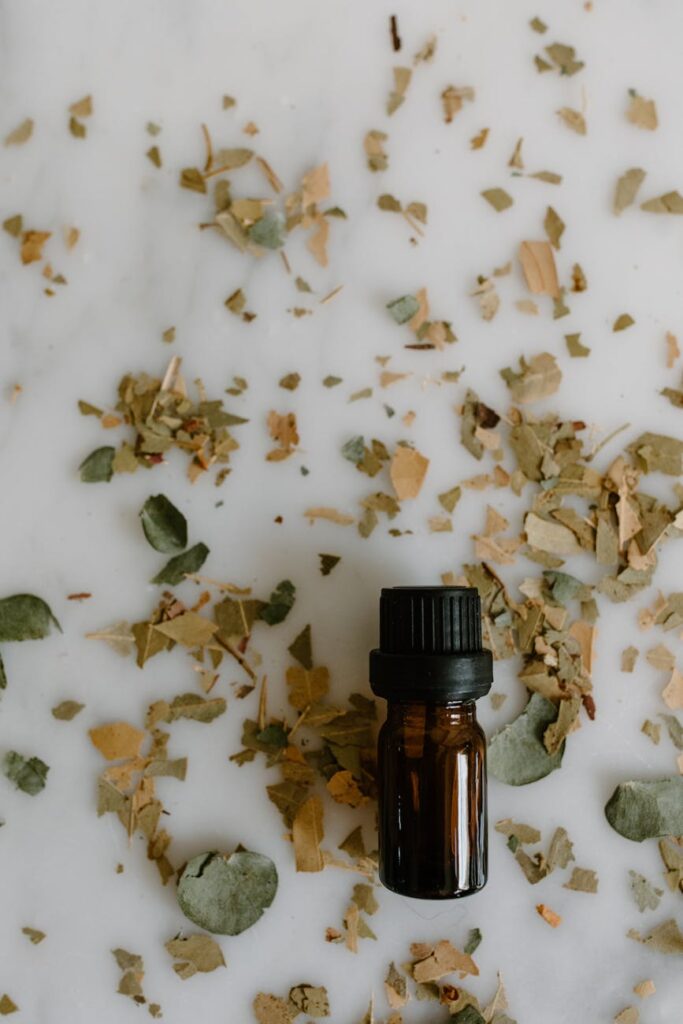
Holy Basil Oil is an essential oil derived from the leaves and flowering tops of the Holy Basil plant through steam distillation. This oil possesses a complex chemical composition, primarily characterized by eugenol, which contributes to its distinct aroma and therapeutic properties. The oil is often described as having a sweet, spicy, and slightly clove-like fragrance, making it a popular choice in both traditional and contemporary practices.
Historically, Holy Basil has been known by various names, including “Tulsi” in Sanskrit, which translates to “the incomparable one.” The plant is considered a symbol of purity and is often used in religious rituals, adorning homes and temples with its presence.
Key Benefits and Properties
The benefits of Holy Basil Oil are numerous, owing to its unique chemical profile. Some of the key properties include:
- Antioxidant Activity: Holy Basil Oil is rich in antioxidants, which help combat oxidative stress and support overall health.
- Anti-inflammatory Effects: The presence of eugenol and other phytochemicals contributes to its anti-inflammatory properties, making it beneficial in various applications.
- Adaptogenic Qualities: Holy Basil is classified as an adaptogen, meaning it may help the body adapt to stress and promote balance.
- Antimicrobial Properties: Studies have indicated that Holy Basil Oil exhibits antimicrobial activity against a variety of pathogens.
- Culinary Uses: In some cultures, the leaves of Holy Basil are used in cooking to add flavor to dishes, teas, and herbal remedies.
- Cosmetics and Personal Care: Its aromatic properties make it a popular ingredient in perfumes, soaps, and lotions. Additionally, its antiseptic qualities may benefit skin health.
- Household Cleaning: The antimicrobial properties of Holy Basil Oil make it effective in natural cleaning products.
- Religious and Spiritual Practices: In Hinduism, Holy Basil is often used in rituals and ceremonies, believed to purify and bless spaces.
- Promote Relaxation: Inhaling the oil can help ease tension and promote a sense of calm, making it useful in meditation and relaxation practices.
- Enhance Focus: The invigorating scent is believed to stimulate mental clarity and concentration, making it an ideal choice for study and work environments.
- Balance Emotions: Holy Basil Oil is often used to address emotional imbalances, promoting a sense of well-being and tranquility.
- Dilution: Always dilute essential oils in a carrier oil before applying them to the skin to prevent irritation.
- Patch Test: Conduct a patch test on a small area of skin to check for any allergic reactions before widespread use.
- Pregnancy and Nursing: Pregnant or nursing individuals should consult a qualified practitioner before using Holy Basil Oil, as its effects during these periods are not well established.
- Pre-existing Conditions: Individuals with specific health conditions or those taking medications should seek professional advice before using essential oils.
These properties, combined with its aromatic qualities, make Holy Basil Oil a versatile and valuable addition to holistic practices.
Common Uses
Holy Basil Oil has a wide array of applications, including:
Aromatherapy Applications
In the realm of aromatherapy, Holy Basil Oil is lauded for its uplifting and clarifying effects. It is often used to:
To use Holy Basil Oil in aromatherapy, it can be added to diffusers, inhalers, or blended with carrier oils for topical application.
Safety Considerations
While Holy Basil Oil is generally considered safe for most people, it is essential to follow certain safety guidelines:
Storage and Shelf Life
Proper storage of Holy Basil Oil is crucial for maintaining its quality and potency. It should be kept in a cool, dark place, away from direct sunlight and heat sources. Amber or cobalt glass bottles are recommended for storage, as they protect the oil from light degradation. Generally, Holy Basil Oil has a shelf life of about 2 to 3 years when stored correctly. However, it is advisable to check for any changes in aroma or appearance before use, as these may indicate degradation.
Frequently Asked Questions
1. What is the difference between Holy Basil and regular basil?
Holy Basil (Ocimum sanctum) is distinct from common basil (Ocimum basilicum), both botanically and in terms of their uses. Holy Basil is often used for its medicinal properties and spiritual significance, while common basil is primarily used as a culinary herb.
2. Can Holy Basil Oil be ingested?
While some practitioners may use it in culinary applications, ingestion of essential oils should be approached with caution. It is advisable to consult with a qualified healthcare professional before consuming any essential oil.
3. How can I incorporate Holy Basil Oil into my daily routine?
Holy Basil Oil can be diffused in the air, added to massage oils, or used in skincare formulations. It can also be included in bath rituals or inhaled directly from the bottle for a quick mood boost.
4. Is Holy Basil Oil safe for children?
As with any essential oil, caution is advised when using Holy Basil Oil with children. It is crucial to dilute it appropriately and consult with a healthcare professional before use.
5. Where can I purchase high-quality Holy Basil Oil?
High-quality Holy Basil Oil can be found at health food stores, specialty herbal shops, and online retailers. Always look for oils that are labeled as pure and organic, and consider purchasing from reputable brands known for their quality standards.
Conclusion
Holy Basil Oil, with its rich history and diverse applications, continues to be a cherished element in both traditional and modern practices. As understanding of its properties expands, its role in wellness and aromatherapy is likely to grow. Whether used for its uplifting aroma, its potential benefits, or its spiritual significance, Holy Basil Oil represents a harmonious blend of nature and human culture, embodying a legacy that spans centuries.