
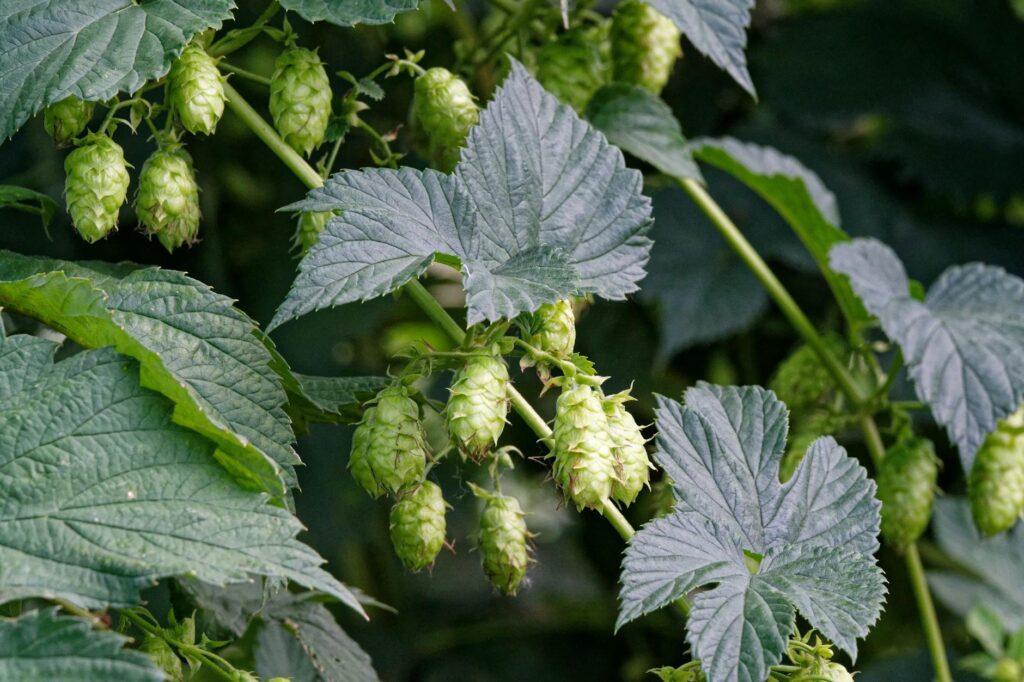
History and Origins of Hops Extract
Introduction
Hops extract, derived from the flowers of the hop plant (Humulus lupulus), has a rich history intertwined with brewing, herbal medicine, and aromatherapy. Historically revered for both its flavoring properties in beer and its calming effects, hops has become an essential ingredient in various applications. This article delves into the origins, benefits, uses, and safety considerations of hops extract, providing a comprehensive overview of this remarkable botanical.
What Is Hops Extract?
Hops extract is obtained from the dried flowers of the hop plant, specifically the female flower cones known as strobiles. The extraction process typically involves solvent extraction or steam distillation, which captures the essential oils and active compounds found in the flowers. Hops extract is characterized by its aromatic profile, often described as floral, herbal, and slightly bitter. It contains a variety of phytochemicals, including alpha and beta acids, essential oils, flavonoids, and other bioactive compounds that contribute to its therapeutic properties.
Key Benefits and Properties
Hops extract is known for several beneficial properties:
1. Sedative and Relaxant Qualities: Hops has been traditionally used to promote relaxation and alleviate anxiety. Compounds such as myrcene and humulone are thought to contribute to these calming effects.
2. Antimicrobial Properties: Research has indicated that hops extract possesses antimicrobial activities, potentially inhibiting the growth of certain bacteria and fungi.
3. Antioxidant Activity: Hops is rich in antioxidants, which help combat oxidative stress in the body. This property may contribute to overall health and well-being.
4. Hormonal Balance: Some studies suggest that hops extract may influence hormonal balance, particularly in relation to estrogen levels. This property has garnered interest in both herbal medicine and aromatherapy.
5. Digestive Support: Traditionally, hops have been used to promote digestive health, as they are believed to stimulate appetite and support digestion.
Common Uses
Historically, hops extract has found its primary use in brewing beer, where it serves as a natural preservative and flavoring agent. The addition of hops not only enhances the flavor profile but also contributes to the beer’s stability and shelf life. Beyond brewing, hops extract is commonly used in herbal remedies, dietary supplements, and cosmetics.
In Herbal Medicine
Hops extract is often available in tinctures, capsules, or teas, utilized for its calming effects. It is frequently combined with other herbs such as valerian root, passionflower, and chamomile to enhance its sedative properties.
In Skincare
Due to its antioxidant and anti-inflammatory properties, hops extract is increasingly incorporated into skincare products. It can help soothe irritated skin, diminish signs of aging, and provide a refreshing aroma.
Aromatherapy Applications
In the realm of aromatherapy, hops extract is valued for its soothing and calming effects. When used in diffusers or blended into massage oils, it can create a tranquil atmosphere conducive to relaxation and stress relief. The aromatic profile of hops, often described as earthy and floral, can enhance the sensory experience, making it a popular choice in various aromatherapy formulations.
Blending with Essential Oils
Hops extract can be effectively blended with other essential oils to create synergistic effects. Commonly paired oils include lavender, bergamot, and chamomile, each contributing to a calming and restorative experience. These blends can be used in various applications, including bath oils, massages, and relaxation rituals.
Safety Considerations
While hops extract is generally considered safe for most individuals, certain precautions should be taken:
1. Allergies: Individuals with allergies to plants in the Cannabaceae family, such as cannabis or hemp, should exercise caution when using hops extract.
2. Pregnancy and Breastfeeding: Due to limited research, it is advisable for pregnant or breastfeeding women to consult with a healthcare professional before using hops extract.
3. Medication Interactions: Hops may interact with certain medications, particularly those that affect the central nervous system. Individuals on sedatives, antidepressants, or other medications should seek guidance from a healthcare provider.
4. Dosage: As with any herbal supplement, adhering to recommended dosages is essential to prevent potential side effects.
Storage and Shelf Life
To maintain the integrity and potency of hops extract, proper storage is critical. It should be stored in a cool, dark place, away from direct sunlight and moisture. When stored correctly, hops extract can have a shelf life of approximately one to two years. It is advisable to check for any changes in aroma or appearance before use, as these could indicate degradation.
Frequently Asked Questions
1. What is the best way to use hops extract?
Hops extract can be used in various forms, including tinctures, capsules, teas, or as an essential oil in aromatherapy. The method of use depends on individual preferences and desired outcomes.
2. Can hops extract help with sleep issues?
Hops extract is traditionally known for its calming properties, which may promote relaxation and help with sleep. However, individual responses may vary. It is essential to consult a healthcare provider for persistent sleep issues.
3. Is hops extract safe for children?
Due to the lack of comprehensive research on the safety of hops extract in children, it is advisable to consult a healthcare professional before use.
4. Can I use hops extract in cooking?
While hops are primarily used in brewing, some culinary applications do exist. However, caution should be exercised with dosage, as hops can impart a bitter flavor when used excessively.
5. Are there any side effects of using hops extract?
Side effects are generally rare but may include drowsiness, digestive upset, or allergic reactions in sensitive individuals. If any adverse effects occur, it is advisable to discontinue use and consult a healthcare provider.
Conclusion
Hops extract, with its deep-rooted history and multifaceted applications, continues to be a valuable component in both herbal medicine and aromatherapy. From its calming effects to its role in brewing and skincare, hops offers a diverse range of benefits. Understanding its origins and properties allows individuals to appreciate the significance of this botanical in modern wellness practices. As with all natural products, awareness of safety considerations and proper usage is paramount to maximizing its potential benefits.