
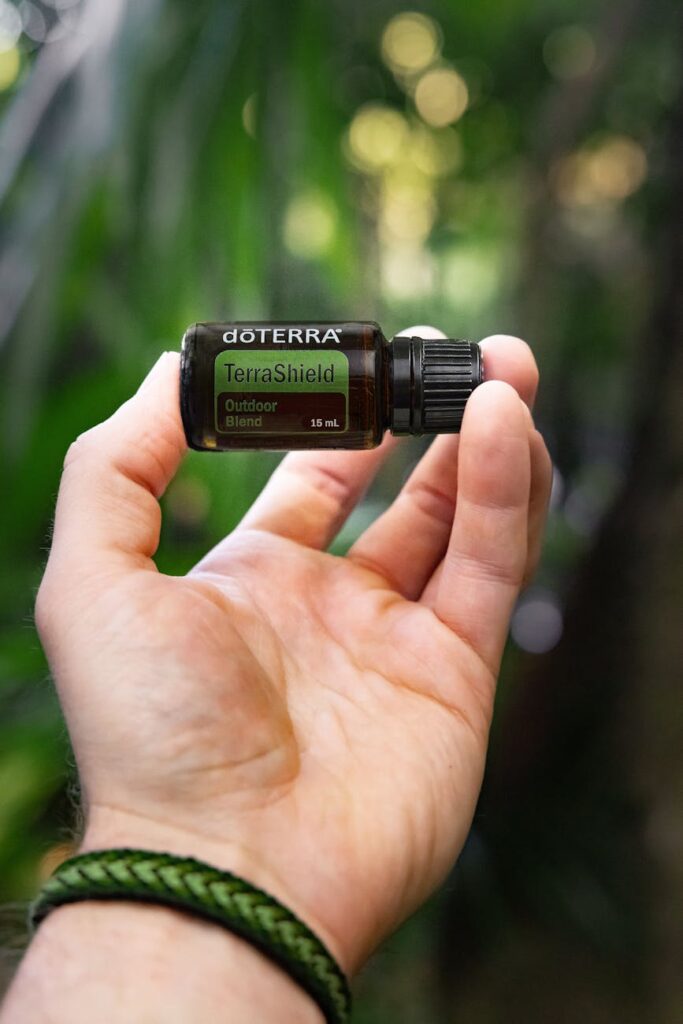
History and Origins of Immune Support Blends
Introduction
The use of essential oils for health and wellness dates back thousands of years. Across various cultures, aromatic plants have played a significant role in traditional medicine, rituals, and daily life. Among the many applications of essential oils, immune support blends have gained prominence, particularly in recent years as more people seek natural ways to bolster their health. This article delves into the history and origins of these blends, exploring their development, key benefits, common uses, and practical applications in aromatherapy.
What Is Immune Support Blends?
Immune support blends are formulations of essential oils specifically designed to enhance the body’s natural defenses. These blends typically combine oils that possess properties believed to support immune function, promote overall health, and foster a sense of well-being. The oils employed in these blends are often selected for their individual characteristics, such as antibacterial, antiviral, and anti-inflammatory properties.
Historically, various cultures have utilized specific plants and oils for their purported immune-boosting effects. Today, these blends have evolved into more sophisticated products, often combining traditional knowledge with modern research to create effective formulations.
Key Benefits and Properties
Immune support blends often incorporate a variety of essential oils known for their beneficial properties. Here are some key benefits associated with these oils:
1. Antimicrobial Properties: Many essential oils, such as tea tree, eucalyptus, and oregano, possess strong antimicrobial characteristics that may help combat pathogens.
2. Anti-inflammatory Effects: Essential oils like lavender and frankincense are noted for their anti-inflammatory effects, which can help reduce inflammation and support overall health.
3. Respiratory Support: Oils such as peppermint and eucalyptus are often included for their ability to promote clear breathing and support respiratory function.
4. Mood Enhancement: Essential oils like citrus (e.g., lemon, orange) are known for their uplifting properties, which can contribute to emotional well-being during times of stress or illness.
5. Adaptogenic Qualities: Some oils, like rose and myrrh, are believed to help the body adapt to stressors, potentially enhancing overall resilience and immune function.
Common Uses
Immune support blends can be utilized in various contexts, including:
- Diffusion: Using a diffuser allows the aromatic compounds to disperse into the air, creating a therapeutic environment.
- Topical Application: When diluted with a carrier oil, these blends can be applied to the skin, particularly on pulse points or areas of concern.
- Inhalation: Direct inhalation from the bottle or through steam inhalation can provide immediate effects, particularly for respiratory support.
- Baths: Adding a few drops of immune support blends to bathwater can create a soothing and aromatic experience, promoting relaxation while benefiting the skin.
- Household Cleaning: Some immune support blends can be incorporated into natural cleaning products, leveraging their antimicrobial properties.
- Dilution: Always dilute essential oils with a carrier oil before applying them topically to prevent skin irritation.
- Patch Test: Conduct a patch test on a small area of skin to check for any allergic reactions before widespread use.
- Consultation: Individuals with specific health conditions, pregnant women, or those nursing should consult a healthcare professional before using essential oils.
- Quality of Oils: Ensure that only high-quality, pure essential oils are used, as synthetic or adulterated oils may not provide the desired benefits.
- Keep Away from Sensitive Areas: Avoid contact with the eyes, mucous membranes, and sensitive skin areas.
- Cool, Dark Place: Store essential oils in a cool, dark place, away from direct sunlight and heat sources, which can degrade the oils over time.
- Tightly Sealed Containers: Ensure that bottles are tightly sealed when not in use to prevent oxidation and evaporation.
- Glass Containers: Use dark glass containers, such as amber or cobalt blue, which provide protection against UV light.
- Shelf Life: The shelf life of essential oils varies, but most oils can last from 1 to 5 years if stored correctly. Citrus oils tend to have shorter shelf lives, while oils like patchouli and sandalwood can last longer.
Aromatherapy Applications
Aromatherapy is the practice of using essential oils to promote physical and emotional well-being. Immune support blends can be integrated into various aromatherapy practices:
1. Massage Therapy: Essential oils can be incorporated into massage oils, providing both physical and emotional benefits during therapeutic sessions.
2. Meditation and Mindfulness: Diffusing immune support blends during meditation can enhance the experience by creating a calming atmosphere that promotes focus and tranquility.
3. Wellness Rituals: Incorporating these blends into daily wellness rituals, such as morning routines or evening wind-downs, can foster a holistic approach to health.
4. Yoga Practices: Using essential oils during yoga can enhance the practice by promoting relaxation and increased awareness of breath and body.
Safety Considerations
While essential oils are generally regarded as safe, certain precautions should be taken when using immune support blends:
Storage and Shelf Life
Proper storage of essential oils is crucial to maintain their integrity and efficacy. Here are some guidelines:
Frequently Asked Questions
What essential oils are commonly found in immune support blends?
Some commonly included essential oils are tea tree, eucalyptus, lemon, lavender, oregano, and peppermint. Each oil contributes unique properties to the blend.
Can immune support blends replace medical treatment?
While immune support blends can complement a healthy lifestyle, they should not replace conventional medical treatments. Always consult a healthcare professional for medical advice.
How often can I use immune support blends?
The frequency of use can vary based on individual preferences and sensitivities. Generally, using these blends one to three times a day for aromatherapy or topical application is considered safe when diluted appropriately.
Are there any specific blends recommended for children?
Some essential oils may not be suitable for children. It is advisable to consult a qualified aromatherapist or healthcare professional for guidance on child-friendly blends and proper dilution ratios.
Can I create my own immune support blend?
Yes, blending your own essential oils can be a rewarding experience. It is essential to research the properties of each oil and ensure safe dilutions. Experimenting with different combinations can result in a blend that suits your preferences and needs.
Conclusion
The history and origins of immune support blends reflect a rich tapestry of traditional knowledge and modern understanding of essential oils. As interest in natural health solutions continues to grow, these blends offer a unique way to enhance well-being and support the body’s immune system. By understanding their properties, benefits, and applications, individuals can make informed choices about incorporating immune support blends into their wellness routines.