
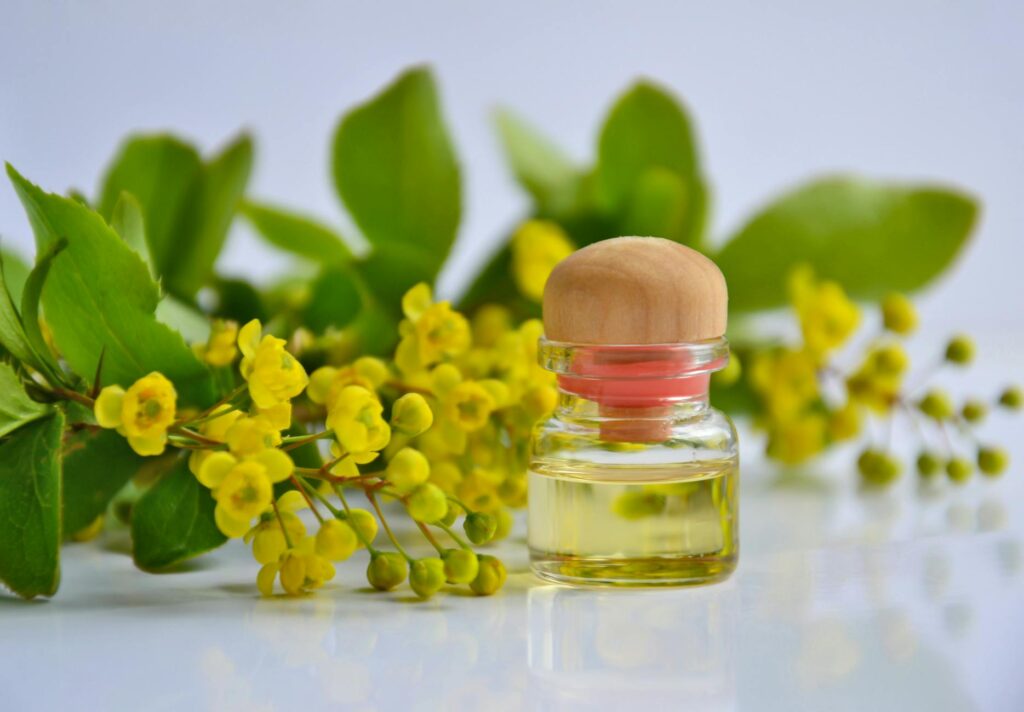
History and Origins of Infused Oils
Introduction
Infused oils have been an integral part of human culture for centuries, serving a variety of purposes, from culinary uses to medicinal applications and aromatic experiences. These oils, created by steeping herbs, flowers, or other botanical materials in a carrier oil, are a testament to humanity’s longstanding relationship with nature. This article delves into the history and origins of infused oils, exploring their significance across different cultures, their properties, and their contemporary applications.
What Is Infused Oils?
Infused oils are created by macerating plant materials in a carrier oil, allowing the oil to absorb the essence, flavor, and beneficial properties of the botanicals. Common carrier oils include olive oil, jojoba oil, and almond oil, which serve as a base for the infusion.
The process typically involves placing the chosen botanicals in the carrier oil and allowing them to steep for a period, which can vary from days to weeks. This infusion allows the oil to take on the color, scent, and properties of the plant material. The final product can be used in cooking, cosmetics, aromatherapy, and natural remedies.
Key Benefits and Properties
Infused oils boast a variety of benefits, depending on the botanicals used in the infusion. Here are some common advantages:
- Enhanced Flavor: Culinary infused oils, such as garlic or chili oil, can add depth and complexity to dishes.
- Aromatic Qualities: Infused oils can carry the scent of the botanicals, making them popular in aromatherapy and perfumery.
- Skin Nourishment: Many infused oils, like calendula or lavender, are known for their soothing properties, making them suitable for skin applications.
- Holistic Benefits: Some infused oils are believed to possess properties that may enhance mood, relieve stress, or promote relaxation.
- Culinary Uses: Infused oils are popular in cooking as flavor enhancers. Chefs often use herb-infused oils to dress salads, drizzle over vegetables, or as dipping oils for bread.
- Cosmetic Applications: Many beauty products incorporate infused oils for their moisturizing and soothing properties. For example, infused oils can be found in lotions, creams, and lip balms.
- Aromatherapy: In aromatherapy, infused oils are employed for their fragrance and potential therapeutic benefits. They can be used in diffusers, massage oils, or added to bath water.
- Natural Remedies: Some infused oils may be used in traditional practices for skin irritations or minor ailments, although they should not replace professional medical advice.
- Diffusion: Placing infused oils in a diffuser allows their aromatic compounds to disperse throughout a room, creating a soothing atmosphere.
- Massage: When blended with carrier oils, infused oils can be used for therapeutic massage, promoting relaxation and stress relief.
- Bath Additives: Adding infused oils to bathwater can create a rejuvenating experience, combining the benefits of aromatherapy with the calming effects of warm water.
- Allergies: Always perform a patch test to check for allergic reactions, especially when using new botanicals.
- Quality of Ingredients: Use high-quality, organic botanicals and carrier oils to avoid contaminants and ensure the best properties of the infused oil.
- Purity: Avoid using infused oils in large quantities or on sensitive skin without consulting a professional, especially if the infusion is homemade.
- Expiration: Understand that infused oils have a shelf life and can go rancid. Storage conditions and the types of botanicals used can affect the longevity of the product.
- Containers: Use dark glass bottles to protect the oil from light, which can degrade its quality. Avoid plastic containers, as they may leach harmful chemicals.
- Temperature: Store infused oils in a cool, dark place, away from direct sunlight and heat sources. This helps to prolong their shelf life.
- Shelf Life: Infused oils typically have a shelf life of six months to one year, depending on the carrier oil and botanicals used. Always check for any off odors or changes in appearance before use.
The properties of infused oils can be attributed to the active compounds present in the botanical materials, which are often rich in antioxidants, vitamins, and essential fatty acids.
Common Uses
Infused oils have a wide array of applications, including:
Aromatherapy Applications
In the realm of aromatherapy, infused oils are valued for their ability to influence mood and promote relaxation. Certain botanicals, when infused, are believed to carry specific emotional or psychological benefits.
For instance, lavender-infused oil is commonly used for its calming properties, while peppermint-infused oil may invigorate and energize. These oils can be utilized in various ways, including:
Safety Considerations
While infused oils are generally safe for use, it is essential to observe some precautions:
Storage and Shelf Life
Proper storage of infused oils is crucial to maintaining their quality and efficacy. Here are some guidelines:
Frequently Asked Questions
1. Can I make my own infused oils at home?
Yes, making your own infused oils is a simple process. Ensure you use fresh or dried botanicals and high-quality carrier oils. Follow safe practices to avoid contamination.
2. What are the best carrier oils for infusion?
Common carrier oils include olive oil, coconut oil, sweet almond oil, and jojoba oil. Each has unique properties, so choose one that aligns with your intended use.
3. How long should I steep the botanicals in the oil?
The steeping time can vary depending on the botanicals used. Generally, a period of 1-2 weeks in a cool, dark place is recommended, shaking the container occasionally.
4. Are there any botanicals I should avoid when making infused oils?
Certain botanicals can be irritating or not suitable for skin application. It is advisable to research the properties of any plant you wish to use and consult reliable sources.
5. Can infused oils be used for cooking?
Yes, many infused oils are safe and flavorful for culinary use. However, ensure that the botanicals used are food-safe and intended for culinary applications.
Conclusion
The rich history and diverse applications of infused oils reflect humanity’s enduring connection with nature and its resources. From culinary delights to soothing skincare and aromatic experiences, infused oils offer a plethora of benefits. Understanding their origins, properties, and uses can enhance one’s appreciation of these remarkable botanical creations. As interest in natural remedies and holistic practices continues to grow, infused oils remain a cherished aspect of both ancient traditions and modern wellness practices.