
History and Origins of Kukui Nut Oil
Introduction
Kukui nut oil, derived from the nuts of the Kukui tree (Aleurites molucanna), holds significant cultural and practical importance, particularly in Hawaiian traditions. Known for its rich fatty acid profile and moisturizing properties, this oil has been utilized for centuries, both for its benefits in personal care and its cultural symbolism. This article delves into the history and origins of kukui nut oil, exploring its properties, uses, and significance in various applications.
What Is Kukui Nut Oil?
Kukui nut oil is extracted from the seeds of the Kukui tree, which is native to Hawaii and other tropical regions of the Pacific. The tree, also known as the candlenut tree, can grow up to 30 feet tall and produces green, round nuts that encase the seeds. The oil is traditionally extracted through cold-pressing the seeds, preserving its beneficial properties.
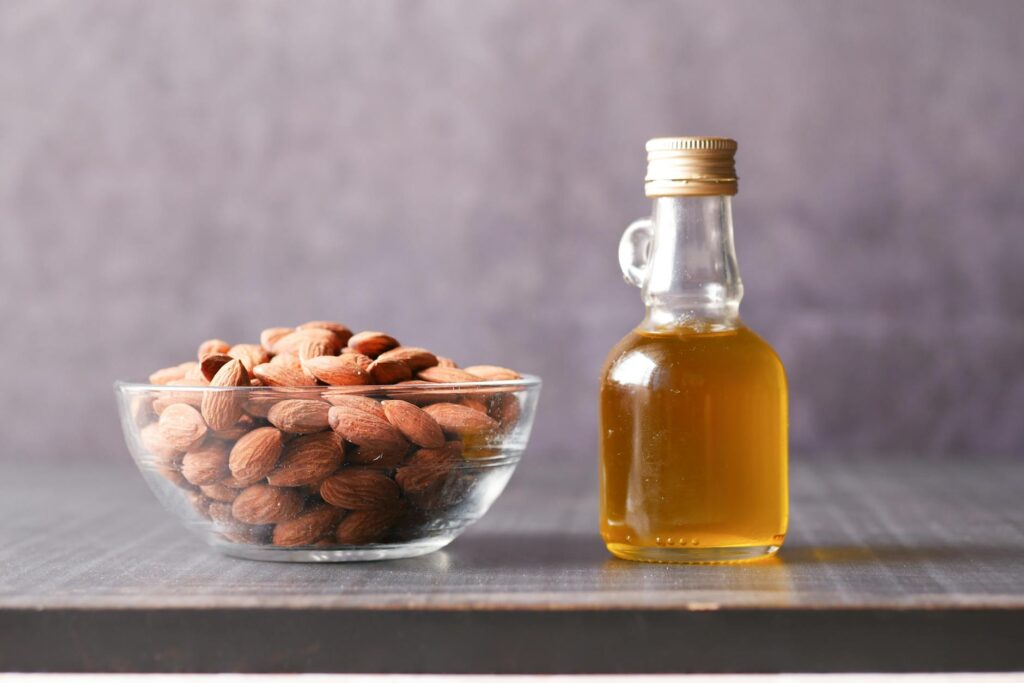
The composition of kukui nut oil is primarily made up of essential fatty acids, including oleic and linoleic acids. These fatty acids contribute to the oil’s emollient properties, making it an excellent moisturizer for the skin. The oil is clear to light yellow in color and has a mild, nutty aroma.
Key Benefits and Properties
Kukui nut oil is celebrated for its numerous benefits and properties, making it a versatile ingredient in both cosmetics and culinary applications:
1. Moisturizing: The oil is known for its ability to deeply hydrate the skin without leaving a greasy residue. Its lightweight texture allows for rapid absorption.
2. Anti-inflammatory: The fatty acids in kukui nut oil can help calm irritated skin, making it suitable for sensitive skin types.
3. Antioxidant-rich: The oil contains natural antioxidants that may help protect the skin from environmental stressors and free radical damage.
4. Nutrient-dense: Kukui nut oil is rich in vitamins A, C, and E, which contribute to overall skin health and vitality.
5. Healing properties: Traditionally, kukui nut oil has been used to promote healing for minor burns, cuts, and other skin ailments.
Common Uses
Kukui nut oil has a variety of uses across different domains:
Personal Care Products
Kukui nut oil is a popular ingredient in many personal care products, including:
- Lotions and Creams: Its emollient properties make it an ideal moisturizer for dry skin.
- Hair Care Products: The oil can help nourish and condition the hair, adding shine and reducing frizz.
- Sunscreens: Some formulations include kukui nut oil for its moisturizing properties and potential protective qualities against UV damage.
- Massage Oils: Due to its moisturizing properties, kukui nut oil is often used as a base for massage blends, enhancing the overall experience by promoting relaxation and hydration.
- Skin Care Formulations: When combined with essential oils, kukui nut oil can serve as a carrier for topical applications aimed at improving skin health.
- Aromatherapy Blends: Kukui nut oil can be included in diffusers and personal inhalers when blended with essential oils, providing a soothing and hydrating effect.
- Allergies: Individuals with nut allergies should exercise caution, as kukui nut oil is derived from nuts and may trigger allergic reactions in sensitive individuals.
- Skin Sensitivity: As with any new product, it is advisable to perform a patch test before using kukui nut oil extensively. Apply a small amount to a limited area of skin to check for any adverse reactions.
- Quality of Oil: Ensure that the kukui nut oil you purchase is cold-pressed and of high quality to maximize its benefits. Look for products that are organic and free from additives.
- Cool, Dark Place: Store the oil in a cool, dark place away from direct sunlight and heat sources, as these can degrade the oil over time.
- Tightly Sealed Container: Use an airtight container to prevent oxidation, which can lead to rancidity.
- Shelf Life: When stored correctly, kukui nut oil typically has a shelf life of about 1 to 2 years. However, it’s best to check for any changes in smell or appearance before use.
Culinary Uses
In Hawaiian culture, kukui nuts are often roasted and ground into a paste called “inamona,” which is used as a condiment. The oil itself can also be used for cooking, although it is less common than other oils due to its unique flavor profile.
Traditional Practices
Historically, kukui nut oil has been used in Hawaiian rituals and practices, symbolizing enlightenment and protection. Its significance in cultural ceremonies underscores its importance in the region.
Aromatherapy Applications
In aromatherapy, kukui nut oil serves primarily as a carrier oil due to its light texture and skin-nourishing properties. It is often blended with essential oils for various therapeutic and aromatic applications. Some common uses in aromatherapy include:
Safety Considerations
While kukui nut oil is generally safe for topical use, there are a few considerations to keep in mind:
Storage and Shelf Life
Proper storage of kukui nut oil is essential to maintain its quality and extend its shelf life. Follow these guidelines for optimal storage:
Frequently Asked Questions
1. Can kukui nut oil be used on all skin types?
Yes, kukui nut oil is generally suitable for all skin types, including sensitive skin. Its lightweight texture allows for easy absorption without clogging pores.
2. Is kukui nut oil safe for cooking?
While kukui nut oil can be used in cooking, it is more often utilized in cosmetic applications. If considering it for culinary use, ensure it is food-grade and intended for consumption.
3. How does kukui nut oil compare to other carrier oils?
Kukui nut oil is lighter than many other carrier oils, such as coconut or olive oil. This makes it an excellent choice for those seeking a non-greasy moisturizer or carrier oil for essential oils.
4. Can I use kukui nut oil for hair care?
Yes, kukui nut oil is beneficial for hair care. It can help nourish and condition the hair, reduce frizz, and add shine.
5. Where can I purchase high-quality kukui nut oil?
High-quality kukui nut oil can be found in health food stores, specialty cosmetic shops, and online retailers. Look for cold-pressed, organic options to ensure the best quality.
Conclusion
Kukui nut oil is more than just a nourishing oil; it embodies a rich history and cultural significance, particularly in Hawaiian traditions. With its myriad benefits and applications, from personal care to culinary uses, it continues to be a cherished resource. Understanding its origins, properties, and safe use can enhance appreciation for this remarkable oil and its role in holistic wellness practices. Whether utilized for skin, hair, or as part of aromatherapy, kukui nut oil remains a valuable addition to anyone’s natural wellness toolkit.