
History and Origins of Lavender Oil
Introduction
Lavender oil, derived from the flowers of the lavender plant, has captivated human interest for centuries with its soothing aroma and myriad applications. From ancient civilizations to modern wellness practices, lavender oil has played a significant role in various cultural rituals, medicinal practices, and aromatic experiences. This article delves into the history and origins of lavender oil, exploring its journey through time and its evolution into a significant component of aromatherapy and holistic wellness.
What Is Lavender Oil?
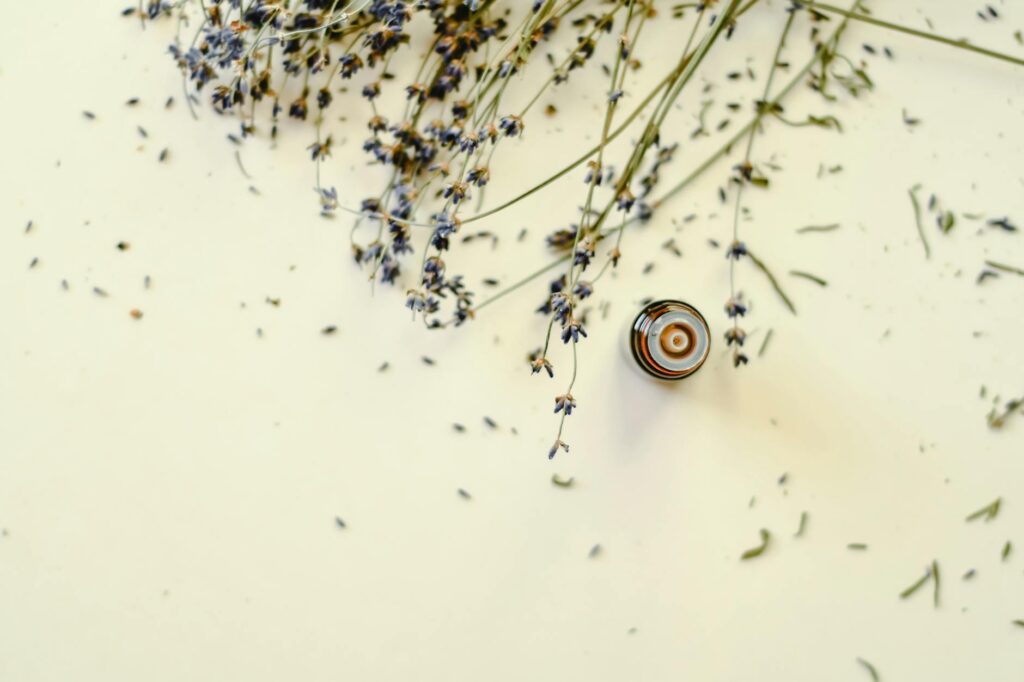
Lavender oil is an essential oil obtained through the steam distillation of the flowers of the lavender plant, primarily Lavandula angustifolia, although other species like Lavandula latifolia and Lavandula stoechas are also used. The oil is characterized by its light purple hue and sweet, floral scent, which is often described as calming and refreshing. Beyond its aromatic qualities, lavender oil contains numerous chemical compounds, including linalool and linalyl acetate, which contribute to its unique properties and benefits.
The historical significance of lavender oil is reflected in its name; the word “lavender” is derived from the Latin “lavare,” meaning “to wash.” This etymology highlights the oil’s long-standing association with purification and cleanliness.
Key Benefits and Properties
Lavender oil is renowned for its versatile properties, which include:
1. Relaxation and Stress Relief: The calming aroma of lavender oil is widely recognized for its ability to promote relaxation and reduce feelings of anxiety. Studies have suggested that inhaling lavender oil may help decrease stress levels and improve overall mood.
2. Sleep Aid: Lavender has been traditionally used to improve sleep quality. Its soothing fragrance is often incorporated into bedtime routines, with many people using lavender oil in diffusers or pillow sprays to encourage restful sleep.
3. Antiseptic and Anti-inflammatory Properties: Historically, lavender oil was used for its antiseptic qualities to treat minor cuts and burns. Its anti-inflammatory properties may help alleviate skin irritations and promote healing.
4. Aromatherapy and Emotional Well-being: As a staple in aromatherapy, lavender oil is employed for its ability to enhance emotional well-being. It is frequently used in meditation practices to foster a sense of tranquility.
Common Uses
The uses of lavender oil are diverse, spanning personal care, household applications, and therapeutic practices. Some common uses include:
- Personal Care Products: Lavender oil is a popular ingredient in skincare products, soaps, and shampoos due to its pleasant fragrance and potential skin benefits.
- Household Cleaners: Known for its antimicrobial properties, lavender oil is often used in natural cleaning solutions, contributing to both cleanliness and a fresh scent.
- Massage Oils: Blended with carrier oils, lavender oil is frequently employed in massage therapy to enhance relaxation and relieve tension.
- Potpourri and Fragrance: The captivating scent of lavender makes it a favored choice for potpourri, sachets, and air fresheners.
- Dilution: Essential oils are potent and should be diluted with a carrier oil before topical application to minimize the risk of skin irritation.
- Patch Test: It is advisable to conduct a patch test before using lavender oil on larger skin areas, especially for those with sensitive skin.
- Pregnancy and Children: Pregnant individuals and young children should consult a healthcare professional before using lavender oil, as reactions can vary.
- Allergies: Those with allergies to lavender or related plants (e.g., mint family) should avoid using lavender oil.
- Cool, Dark Place: Essential oils should be stored in a cool, dark place away from direct sunlight, as light and heat can degrade their quality.
- Tightly Sealed Containers: It is crucial to keep lavender oil in tightly sealed containers to prevent oxidation and evaporation.
- Shelf Life: Lavender oil has a shelf life of approximately 3 to 5 years when stored properly. However, its aromatic profile may change over time, and it is advisable to check for any alterations in scent or consistency.
Aromatherapy Applications
Aromatherapy utilizes essential oils, including lavender oil, to promote physical and emotional well-being. Various methods of application include:
1. Diffusion: One of the most common methods, diffusion involves dispersing lavender oil into the air using a diffuser. This method is effective for creating a calming environment, especially in bedrooms or relaxation spaces.
2. Inhalation: Inhaling lavender oil directly from the bottle or through a tissue can provide immediate relaxation benefits. This method is often employed during stressful situations or before bedtime.
3. Topical Application: Lavender oil can be diluted with a carrier oil and applied to the skin. This is particularly effective for localized treatments, such as soothing minor skin irritations or enhancing the massage experience.
4. Bathing: Adding lavender oil to bathwater can create a serene and calming atmosphere, promoting relaxation and reducing tension.
Safety Considerations
While lavender oil is generally considered safe for most individuals, certain precautions should be taken:
Storage and Shelf Life
Proper storage is essential to maintain the quality and effectiveness of lavender oil. Here are some tips for optimal storage:
Frequently Asked Questions
1. Can lavender oil be ingested?
While lavender oil is safe for topical and aromatic use, ingestion is not recommended without professional guidance. Some essential oils can be toxic when consumed.
2. Is lavender oil safe for pets?
Lavender oil can be toxic to certain pets, including cats and dogs. It is advisable to consult a veterinarian before using lavender oil in homes with pets.
3. How do I choose high-quality lavender oil?
Look for essential oils that are labeled as “100% pure” and “therapeutic grade.” Additionally, consider purchasing from reputable sources that provide information on sourcing and production methods.
4. Can I use lavender oil if I have sensitive skin?
Individuals with sensitive skin should conduct a patch test before using lavender oil and consider diluting it with a carrier oil to minimize potential irritation.
5. What other essential oils blend well with lavender?
Lavender oil pairs well with a variety of other essential oils, including chamomile, bergamot, peppermint, and frankincense. These combinations can enhance the aromatic experience and therapeutic benefits.
Conclusion
The history and origins of lavender oil reflect its deep-rooted significance in human culture and wellness practices. From ancient times to contemporary aromatherapy, lavender oil has remained a cherished resource for relaxation, emotional well-being, and holistic health. Its versatility and rich aromatic profile continue to make it a staple in homes and wellness routines worldwide. Understanding its history, benefits, and applications can deepen one’s appreciation for this remarkable essential oil, fostering a connection to both its past and present.