
History and Origins of Lemon Myrtle Oil Safety
Introduction
Lemon myrtle oil, extracted from the leaves of the Backhousia citriodora, a tree native to Australia, has gained recognition for its refreshing aroma and diverse applications. As more individuals and practitioners turn to essential oils for their therapeutic properties, understanding the history and origins of lemon myrtle oil, along with its safety profile, is crucial. This article will explore the evolution of lemon myrtle oil, its benefits, uses, and safety considerations, providing a comprehensive overview for those interested in this unique essential oil.
What Is Lemon Myrtle Oil Safety?
Lemon myrtle oil is derived from the leaves of the lemon myrtle tree, which belongs to the Myrtaceae family. The oil is known for its high citral content, which gives it a strong lemon scent and contributes to its antimicrobial properties. When discussing lemon myrtle oil safety, we refer to the proper usage guidelines, potential risks, and best practices to ensure that the oil is used effectively without adverse effects.
Key Benefits and Properties
Lemon myrtle oil is celebrated for its diverse range of benefits and unique properties:
- Antimicrobial Activity: Studies have shown that lemon myrtle oil possesses strong antibacterial and antifungal properties, making it a popular choice in natural cleaning products and personal care items.
- Aromatherapy Benefits: The uplifting scent of lemon myrtle is often used to enhance mood, reduce stress, and promote mental clarity. It can help create a refreshing atmosphere in various settings.
- Anti-inflammatory Properties: Some preliminary research suggests that lemon myrtle oil may have anti-inflammatory effects, which could be beneficial in certain applications, although further studies are needed.
- Insect Repellent: The oil’s potent scent can act as a natural insect repellent, making it a favored ingredient in natural pest control solutions.
- Personal Care Products: It is commonly included in soaps, shampoos, and lotions due to its pleasant aroma and potential skin benefits.
- Household Cleaners: Thanks to its antimicrobial properties, lemon myrtle oil is often found in natural cleaning products.
- Culinary Uses: In some cultures, lemon myrtle is used as a flavoring agent in food, particularly in desserts and beverages.
- Aromatherapy: The oil is frequently used in diffusers, inhalers, and massage oils for its uplifting and refreshing scent.
- Diffusion: Adding lemon myrtle oil to a diffuser can create a refreshing atmosphere that can invigorate a room, making it an excellent choice for workspaces or living areas.
- Inhalation: Inhaling the aroma directly from the bottle or using a personal inhaler can provide a quick mood boost and enhance focus.
- Massage: When diluted with a carrier oil, lemon myrtle can be used in massage blends to promote relaxation and relieve tension.
- Dilution: Essential oils should always be diluted before applying to the skin. A common recommendation is to mix one to two drops of lemon myrtle oil with a carrier oil, such as coconut or jojoba oil, to prevent skin irritation.
- Patch Test: It is advisable to perform a patch test before widespread use. Apply a diluted amount to a small area of skin and wait 24 hours to check for any adverse reactions.
- Sensitive Populations: Pregnant or breastfeeding individuals, as well as those with specific health conditions, should consult a healthcare professional before using essential oils.
- Avoid Ingestion: While lemon myrtle oil may be used in culinary applications in small amounts, it should not be ingested in concentrated forms or as an essential oil unless guided by a qualified professional.
- Phototoxicity: Although lemon myrtle oil is not classified as phototoxic like some citrus oils, it is still recommended to avoid sun exposure on areas where the oil has been applied.
- Storage Conditions: Essential oils should be stored in a cool, dark place, away from direct sunlight and heat sources. This helps preserve their potency and extends shelf life.
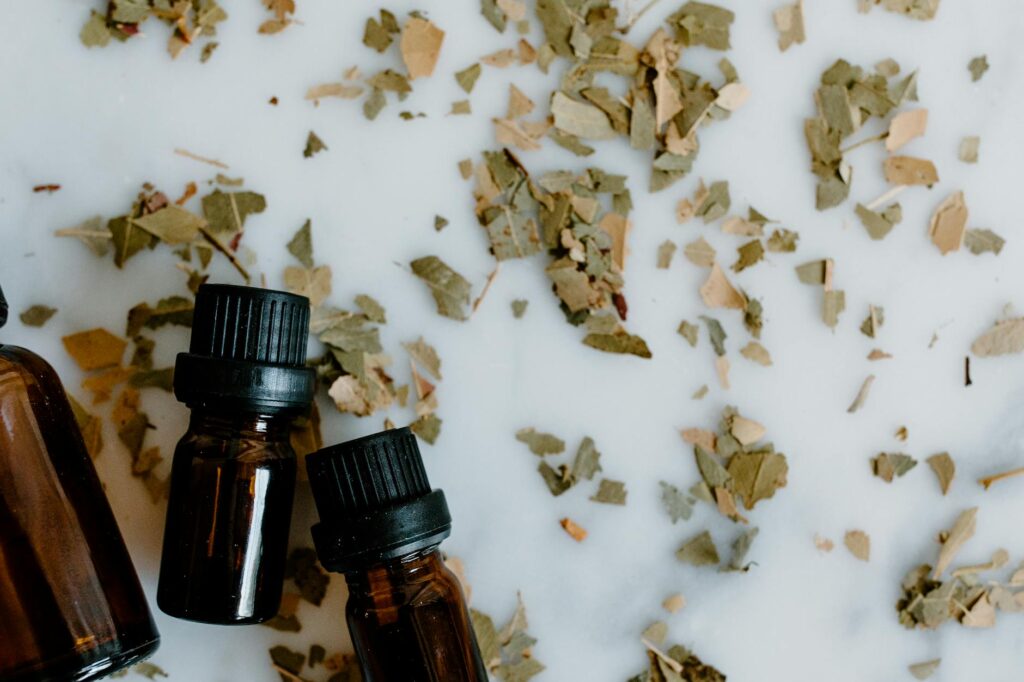
- Container: It is best to keep lemon myrtle oil in dark glass bottles, which can help protect the oil from light degradation.
- Shelf Life: Generally, lemon myrtle oil can last for about 1 to 2 years if stored correctly. However, always check for any changes in aroma or consistency, as these may indicate spoilage.
Common Uses
Lemon myrtle oil’s versatility allows it to be used in various ways, including:
Aromatherapy Applications
In the realm of aromatherapy, lemon myrtle oil is recognized for its invigorating properties. Its fresh, lemon-like scent is believed to help uplift mood and enhance mental clarity. Common applications include:
Safety Considerations
While lemon myrtle oil is generally regarded as safe, it is essential to consider certain safety guidelines:
Storage and Shelf Life
Proper storage is essential for maintaining the quality and safety of lemon myrtle oil:
Frequently Asked Questions
1. Can lemon myrtle oil be used on all skin types?
While lemon myrtle oil is suitable for many skin types, individuals with sensitive skin should perform a patch test first to ensure no irritation occurs.
2. Is lemon myrtle oil safe for children?
Caution is advised when using essential oils with children. Always consult a qualified professional before using lemon myrtle oil on children, and consider diluting it significantly if use is deemed appropriate.
3. Can I use lemon myrtle oil in cooking?
Lemon myrtle can be used in culinary applications, but essential oil should be avoided unless specifically recommended by a qualified professional. Whole dried leaves can be a safer alternative.
4. Is lemon myrtle oil safe to use during pregnancy?
Pregnant individuals should consult a healthcare professional before using lemon myrtle oil or any essential oils, as they may have varying effects during pregnancy.
5. How can I tell if my lemon myrtle oil has gone bad?
Signs of spoilage can include a change in color, consistency, or aroma. If the oil smells off or has developed a cloudy appearance, it is advisable to dispose of it.
Conclusion
Lemon myrtle oil, with its rich history and diverse applications, is a valuable addition to the world of essential oils. Understanding its benefits, uses, and safety considerations can enhance your experience with this invigorating oil. By following the recommended guidelines and practicing caution, you can safely enjoy the delightful aroma and potential benefits of lemon myrtle oil. Whether used in aromatherapy, personal care, or household applications, lemon myrtle oil continues to be a cherished natural resource.