
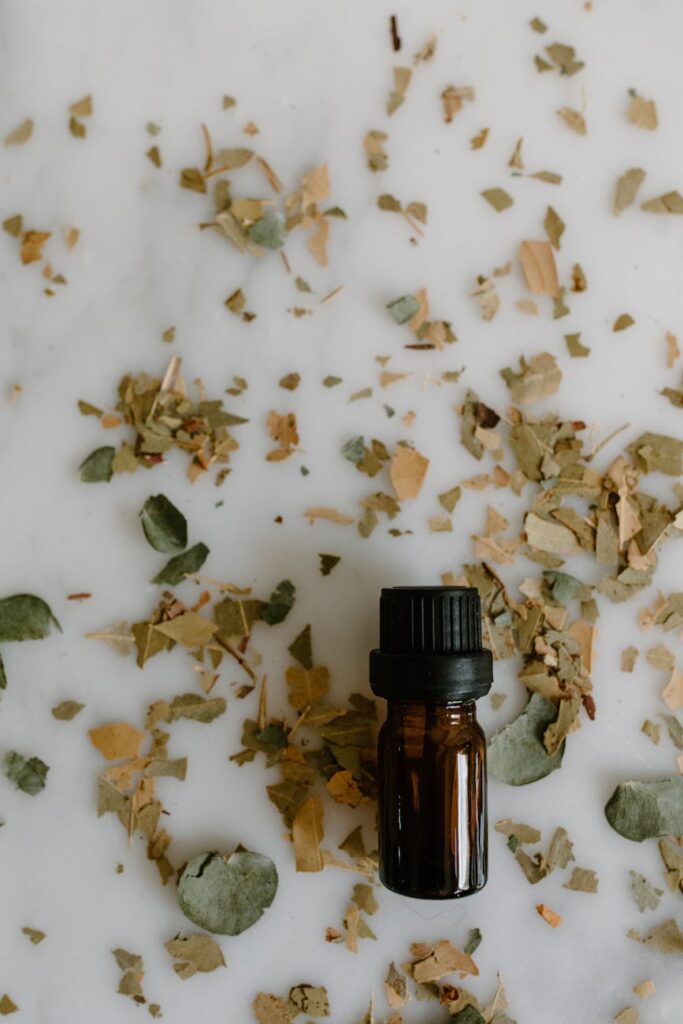
History and Origins of Lemongrass Oil Safety
Introduction
Lemongrass oil, derived from the leaves of the Cymbopogon citratus and Cymbopogon flexuosus plants, has a rich history that intertwines with the cultural practices of various regions. Primarily known for its refreshing citrus scent and versatile applications, this essential oil has garnered attention not only for its aromatic properties but also for its safety considerations. Understanding the historical context and origins of lemongrass oil safety is vital for anyone interested in its uses in aromatherapy and holistic practices.
What Is Lemongrass Oil Safety?
Lemongrass oil safety refers to the guidelines and precautions necessary for the proper use of lemongrass essential oil. This encompasses understanding its chemical composition, potential risks, and appropriate methods of application. Safety practices are crucial for ensuring that users can enjoy the benefits of lemongrass oil without adverse effects.
The importance of addressing safety concerns is highlighted by the oil’s high citral content, which is responsible for its distinctive aroma but can also lead to skin irritation or sensitization in some individuals. Thus, exploring lemongrass oil’s safety is an essential aspect of its historical use and modern applications.
Key Benefits and Properties
Lemongrass oil is celebrated for a variety of beneficial properties:
1. Antimicrobial Properties: Research has shown that lemongrass oil possesses antimicrobial activity, making it effective against certain bacteria and fungi. This property has historically made it a popular choice for natural cleaning products and remedies.
2. Anti-inflammatory Effects: The oil is known for its potential to reduce inflammation, contributing to its use in various topical applications and soothing blends.
3. Aromatic Qualities: The refreshing and uplifting scent of lemongrass oil makes it a favored ingredient in aromatherapy. Its invigorating aroma can help improve mood and promote mental clarity.
4. Digestive Aid: Historically, lemongrass has been used in traditional medicine to support digestive health. While not a substitute for medical treatment, its soothing properties can be beneficial in dietary supplements.
5. Insect Repellent: The oil’s strong scent is not only pleasant for humans but also acts as a natural insect repellent, making it useful for outdoor applications.
These properties have made lemongrass oil a staple in both traditional and modern practices, underlining the need for awareness regarding its safe use.
Common Uses
Lemongrass oil has a wide range of applications, reflecting its versatility:
- Culinary Uses: In many Asian cuisines, lemongrass is a key ingredient, often used to flavor soups, curries, and teas. Lemongrass oil can be used sparingly in food preparations, though care must be taken to ensure it is food-grade.
- Cosmetics and Personal Care: The oil is commonly found in skincare products due to its refreshing scent and potential skin benefits. It is often included in lotions, soaps, and shampoos.
- Household Products: Its antimicrobial properties make lemongrass oil a popular choice in natural cleaning products, air fresheners, and insect repellents.
- Massage Oils: Due to its anti-inflammatory properties, lemongrass oil is frequently used in massage blends to soothe sore muscles and promote relaxation.
- Aromatherapy: Widely used in diffusers and inhalers, lemongrass oil helps create uplifting environments, enhancing mental clarity and reducing stress.
- Citrus Blends: Lemongrass pairs well with other citrus oils like lemon, orange, and grapefruit, enhancing the overall uplifting effect.
- Herbal Blends: Combining lemongrass with oils such as rosemary or basil can create invigorating and refreshing atmospheres, ideal for stimulating focus and concentration.
- Floral Blends: When blended with floral oils such as lavender or geranium, lemongrass can create a balanced aroma that promotes relaxation while maintaining an energizing undertone.
Understanding these uses helps clarify the importance of adhering to safety guidelines, ensuring that users can enjoy the benefits without encountering adverse effects.
Aromatherapy Applications
In the realm of aromatherapy, lemongrass oil is prized for its uplifting and energizing properties. It is often blended with other essential oils to create synergistic effects. Common combinations include:
These applications emphasize the need for caution in usage, particularly regarding dilution ratios and individual sensitivities.
Safety Considerations
While lemongrass oil offers numerous benefits, it is essential to consider safety precautions:
1. Dilution: Lemongrass oil should always be diluted before topical application. A common recommendation is to mix 1-2 drops of oil with a carrier oil such as coconut or jojoba oil.
2. Patch Test: Before widespread use, conduct a patch test by applying a small diluted amount to a discreet area of skin. This helps identify any potential allergic reactions or sensitivities.
3. Avoiding Sensitive Areas: Keep the oil away from sensitive areas such as the eyes, mucous membranes, and broken skin.
4. Pregnancy and Nursing: Pregnant or nursing individuals should consult with healthcare providers before using lemongrass oil, as its effects during these periods may not be fully understood.
5. Children and Pets: Caution should be exercised when using essential oils around children and pets. Always consult with a professional for safe usage guidelines in these cases.
6. Sun Sensitivity: Due to the high citral content, lemongrass oil may increase photosensitivity. It is advisable to avoid sun exposure on areas where the oil has been applied for at least 12 hours.
These considerations are vital for ensuring a safe and enjoyable experience while using lemongrass oil.
Storage and Shelf Life
Proper storage of lemongrass oil is essential to maintain its quality and efficacy. Here are some guidelines:
1. Cool, Dark Place: Store lemongrass oil in a cool, dark area away from direct sunlight. Exposure to light and heat can degrade the oil over time.
2. Sealed Containers: Keep the oil in tightly sealed containers to prevent oxidation and contamination.
3. Shelf Life: Generally, lemongrass oil has a shelf life of about 1-2 years when stored correctly. Regularly check for any changes in scent or consistency, which may indicate degradation.
Following these storage practices can help prolong the life of lemongrass oil, ensuring its safety and effectiveness for use.
Frequently Asked Questions
Q: Can lemongrass oil be ingested?
A: While some culinary uses involve lemongrass, essential oils should only be ingested if they are labeled as food-grade and used under the guidance of a qualified professional.
Q: Is lemongrass oil safe for children?
A: Caution should be exercised when using essential oils around children. Consult a healthcare professional for appropriate guidelines regarding usage.
Q: What should I do if I experience a skin reaction?
A: If you experience a skin reaction after using lemongrass oil, stop using it immediately and wash the area with soap and water. If irritation persists, seek medical advice.
Q: Can I use lemongrass oil in a diffuser?
A: Yes, lemongrass oil can be used in diffusers. Ensure you follow the manufacturer’s instructions for dilution and usage.
Q: How do I choose a quality lemongrass oil?
A: Look for oils that are labeled as 100% pure, organic, and free from synthetic additives. Consider purchasing from reputable suppliers who provide transparency regarding their sourcing and testing practices.
Conclusion
The rich history and diverse applications of lemongrass oil highlight its significance in both traditional and modern practices. Understanding the safety considerations surrounding its use is paramount for anyone wishing to incorporate this essential oil into their daily routines. By adhering to proper guidelines and respecting the potency of lemongrass oil, users can enjoy its myriad benefits safely and effectively.