
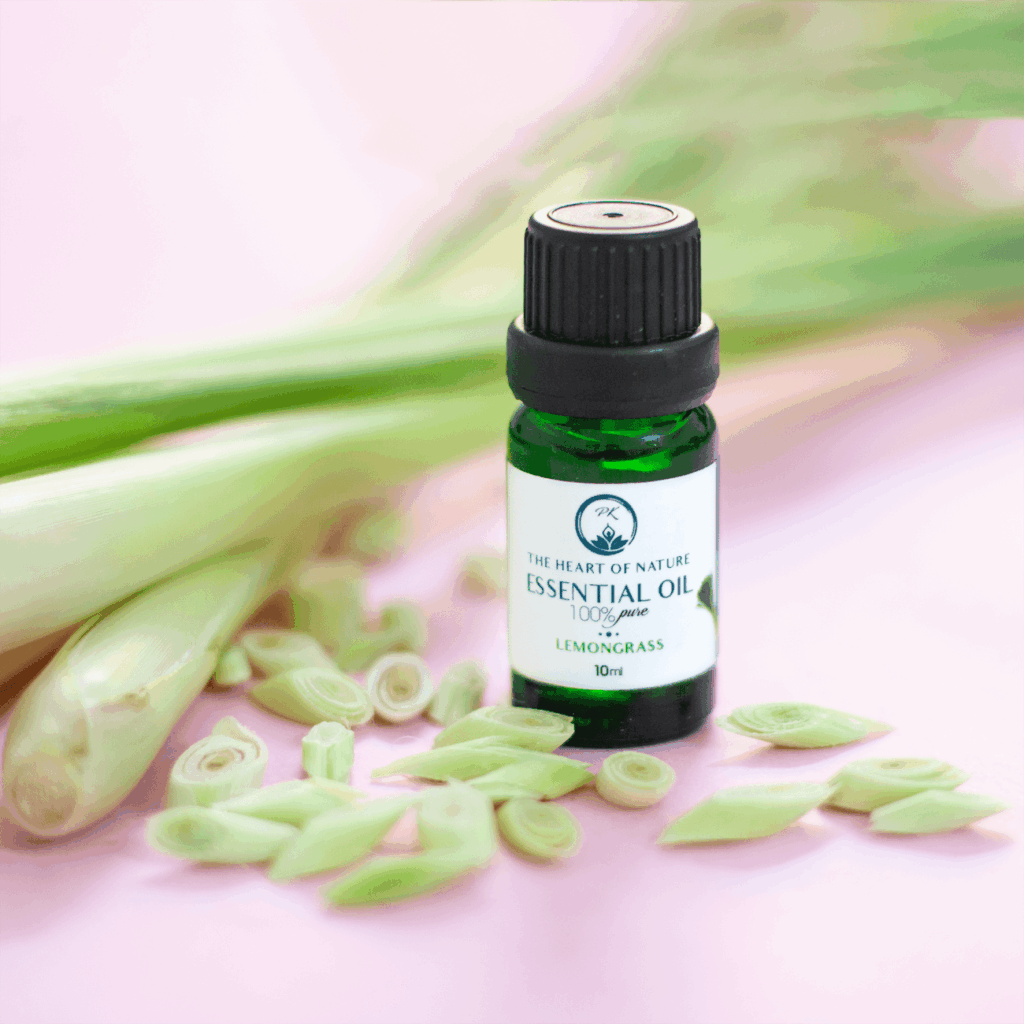
History and Origins of Macerated Oils
Introduction
Macerated oils, an integral part of the world of essential oils and aromatherapy, have a rich history that dates back centuries. These oils are created through the infusion of plant materials in a carrier oil, allowing for the extraction of beneficial properties and aromatic compounds. This article explores the origins, processes, benefits, and uses of macerated oils, providing a comprehensive overview for those interested in the art of natural extraction.
What Are Macerated Oils?
Macerated oils are produced by soaking plant materials—such as flowers, herbs, or roots—in a carrier oil for an extended period. The process allows the oil to absorb the essence of the plant, including its fragrance, color, and therapeutic properties. Common carrier oils used for maceration include olive oil, almond oil, and jojoba oil, as they are stable and can effectively extract and preserve the constituents of the plant material.
The process of maceration can be traced back to ancient civilizations, where it was often employed for culinary and medicinal purposes. The resulting oil can vary in color, fragrance, and texture, depending on the plant used and the duration of the infusion.
Key Benefits and Properties
Macerated oils offer a range of benefits, making them popular in both cosmetic and therapeutic applications. Some of the key properties include:
1. Nutrient-Rich: The oils retain the beneficial compounds found in the plant, such as vitamins, antioxidants, and fatty acids, which can nourish the skin and promote overall wellness.
2. Aromatic Qualities: The infusion process captures the natural fragrance of the plant, providing a pleasant scent that can enhance mood and create a calming atmosphere.
3. Versatility: Macerated oils can be used in various formulations, from skincare products to massage oils, making them versatile additions to any holistic approach.
4. Natural Alternative: For those seeking natural solutions, macerated oils serve as a gentle alternative to synthetic products, often with fewer side effects.
Common Uses
Macerated oils have a wide range of applications, thanks to their unique properties. Some common uses include:
- Skincare: Due to their nourishing qualities, macerated oils are often used in lotions, creams, and serums. They can help moisturize and soothe the skin, making them ideal for dry or irritated skin types.
- Massage Oils: The fragrant and soothing nature of macerated oils makes them popular in massages. They can help enhance relaxation and provide a pleasant sensory experience.
- Hair Care: Certain macerated oils, such as those made from hibiscus or rosemary, are used in hair care products to promote shine and manageability.
- Aromatherapy: When used in diffusers or oil burners, macerated oils can create a tranquil ambiance, promoting relaxation and mental clarity.
- Stress Relief: Oils infused with calming herbs such as chamomile or lavender can be used in relaxation techniques, helping to reduce anxiety and promote calmness.
- Mood Enhancement: Oils derived from uplifting plants like citrus or peppermint can invigorate the senses and boost mood when diffused or applied topically.
- Meditation and Mindfulness: Certain macerated oils can aid in meditation practices, creating a conducive environment for mindfulness and self-reflection.
- Skin Sensitivity: Conduct a patch test before applying a macerated oil to the skin, especially for individuals with sensitive skin or allergies.
- Quality of Ingredients: Ensure that the carrier oil and plant materials used are of high quality, preferably organic, to avoid exposure to pesticides or other harmful substances.
- Dilution: For topical use, it’s advisable to dilute macerated oils with a carrier oil, especially for those with sensitive skin or for use on children.
- Pregnancy and Nursing: Pregnant or nursing individuals should consult with a qualified healthcare professional before using macerated oils, as some plant materials may not be safe during this period.
- Dark Glass Bottles: Store macerated oils in dark glass bottles to protect them from light, which can degrade the oil over time.
- Cool, Dry Place: Keep the oils in a cool, dry place, away from direct sunlight and heat sources. This will help preserve their properties and extend their shelf life.
- Shelf Life: Depending on the carrier oil used and the plant material infused, macerated oils typically have a shelf life of 6 months to 2 years. Regularly check for any changes in color, odor, or consistency, which may indicate spoilage.
Aromatherapy Applications
In the field of aromatherapy, macerated oils are valued for their ability to enhance emotional and psychological well-being. Here are some notable applications:
To maximize the benefits of macerated oils in aromatherapy, it is essential to choose oils that resonate with individual preferences and needs.
Safety Considerations
While macerated oils are generally safe for use, several safety considerations should be kept in mind:
Storage and Shelf Life
Proper storage is crucial for maintaining the quality and efficacy of macerated oils. Here are some guidelines:
Frequently Asked Questions
1. How long does it take to make macerated oils?
The infusion process can take anywhere from a few days to several weeks, depending on the plant material and desired strength. A longer infusion time generally results in a more potent oil.
2. Can I make macerated oils at home?
Yes, making macerated oils at home is relatively simple. Begin by selecting your desired plant material and carrier oil, then combine them in a clean jar and allow them to infuse in a warm, dark place.
3. What plants are commonly used for maceration?
Common plants used for maceration include calendula, lavender, chamomile, and vanilla. Each plant offers unique properties and benefits.
4. Can macerated oils be used in cooking?
While some macerated oils can be used in culinary applications, it is essential to ensure that the plant materials used are safe for consumption and that the oil is stored properly.
5. Are macerated oils the same as infused oils?
Yes, the terms “macerated oils” and “infused oils” are often used interchangeably, as both refer to the process of extracting the properties of plant materials into a carrier oil.
Conclusion
Macerated oils boast a fascinating history and offer a wealth of benefits and applications. As natural alternatives in skincare, aromatherapy, and holistic wellness, they continue to be cherished in various cultures around the world. Understanding the origins, uses, and safety considerations of macerated oils can enhance one’s appreciation of these botanical treasures, making them a valuable addition to any natural health regimen.