
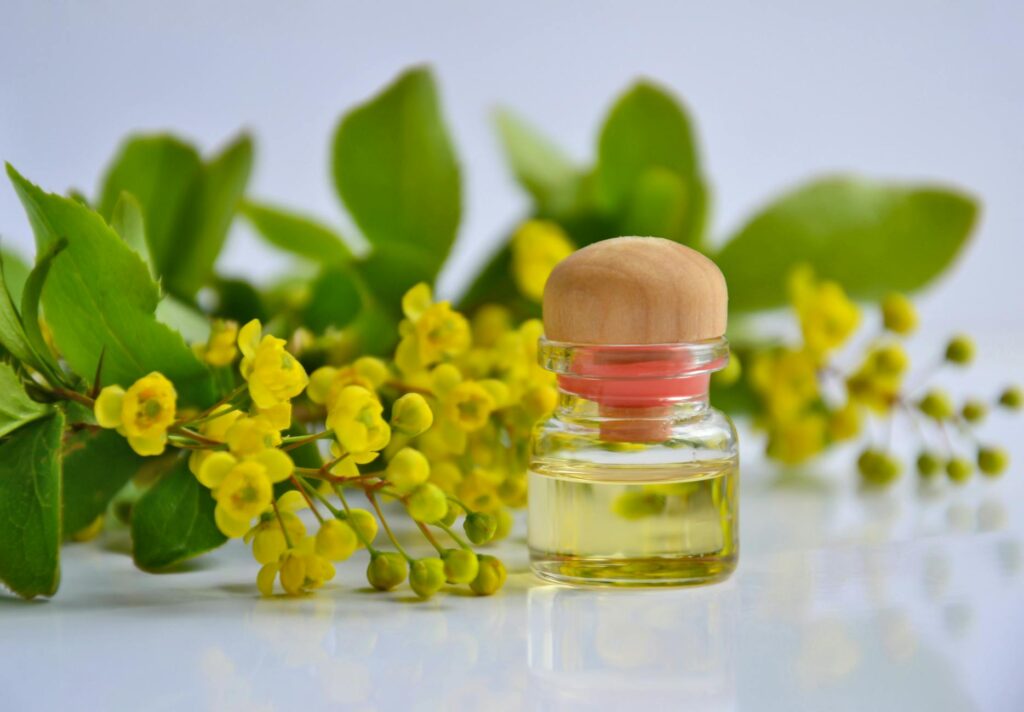
History and Origins of Medicinal Hydrosols
Introduction
The world of essential oils and aromatherapy has captivated practitioners and enthusiasts alike for centuries. Among the lesser-known but equally significant components of this realm are hydrosols—often referred to as floral waters or distillates. This article delves into the history and origins of medicinal hydrosols, exploring their properties, benefits, and applications in modern wellness practices.
What Is Medicinal Hydrosols?
Medicinal hydrosols are aqueous by-products of the steam distillation process used to extract essential oils from plants. While essential oils are concentrated extracts, hydrosols contain the water-soluble components of the plant material along with trace amounts of essential oils. This results in a gentle, aromatic product that retains many of the plant’s therapeutic properties, albeit in a diluted form.
Typically, hydrosols are obtained from flowers, leaves, stems, and seeds of aromatic plants. Common examples include rose hydrosol, lavender hydrosol, and chamomile hydrosol. The extraction method involves passing steam through plant material, which extracts the essential oils and other volatile compounds. The steam is then condensed back into water, resulting in two distinct products: the essential oil and the hydrosol.
Key Benefits and Properties
Medicinal hydrosols are known for their milder characteristics compared to essential oils, making them suitable for a variety of applications. Some key benefits and properties include:
1. Gentle Nature: Hydrosols are less concentrated, making them suitable for sensitive skin and safe for children and pets.
2. Hydration: They provide hydration to the skin and can be used as a refreshing facial mist or added to bathwater.
3. Antimicrobial Properties: Many hydrosols possess antimicrobial and antifungal properties due to the presence of plant-based compounds, offering natural support for skin health.
4. Aromatic Qualities: Hydrosols maintain the aroma of their source plants, providing a pleasant scent that can uplift mood and create a calming atmosphere.
5. Therapeutic Benefits: Each hydrosol carries specific therapeutic properties related to its plant origins, such as calming effects from lavender or soothing qualities from chamomile.
Common Uses
The versatility of medicinal hydrosols allows for a wide range of applications:
1. Skincare: Hydrosols can be used as toners, moisturizers, or soothing agents for minor irritations. They are often incorporated into creams, lotions, and serums.
2. Household Cleaning: Certain hydrosols, such as tea tree and eucalyptus, can be used in natural cleaning solutions due to their antimicrobial properties.
3. Culinary Applications: Some hydrosols, like rose and orange blossom, can be used as flavoring agents in culinary dishes or beverages.
4. Hair Care: Hydrosols can be used as hair rinses or sprays to promote healthy hair and scalp.
5. Baths and Spa Treatments: Adding hydrosols to bathwater or using them in steam treatments can enhance relaxation and provide a soothing aromatic experience.
Aromatherapy Applications
In aromatherapy, hydrosols serve as a gentle alternative to essential oils. They can be used in various ways, including:
1. Facial Mists: Hydrosols can be sprayed directly onto the face for hydration and a refreshing pick-me-up.
2. Diffusion: While not as potent as essential oils, hydrosols can be used in diffusers to create a fragrant atmosphere.
3. Massage: When diluted with carrier oils, hydrosols can be used in massage applications to enhance relaxation and provide additional therapeutic benefits.
4. Inhalation: Inhaling the aroma of hydrosols can promote emotional balance and relaxation.
5. Meditation and Yoga: Spraying hydrosols in a meditation space can enhance the atmosphere, promoting a calm and centered environment.
Safety Considerations
While medicinal hydrosols are generally considered safe, it is essential to follow certain guidelines:
1. Patch Test: Before using a hydrosol on the skin, conduct a patch test to check for any allergic reactions, especially for sensitive individuals.
2. Storage: Hydrosols should be stored in a cool, dark place to maintain their efficacy. Avoid exposure to direct sunlight and extreme temperatures.
3. Consultation: Individuals with specific health concerns or those who are pregnant should consult with a qualified practitioner before using hydrosols.
4. Quality Matters: Always choose high-quality, pure hydrosols from reputable sources to ensure safety and efficacy. Avoid products with synthetic additives or preservatives.
Storage and Shelf Life
The shelf life of hydrosols varies depending on their composition and storage conditions. Generally, hydrosols can last from six months to two years. However, to prolong their shelf life, consider the following tips:
1. Refrigeration: Storing hydrosols in the refrigerator can extend their shelf life and maintain their freshness.
2. Dark Containers: Use dark glass bottles for storage to protect hydrosols from light exposure.
3. Avoid Contamination: Always use clean utensils when dispensing hydrosols to prevent contamination.
4. Check for Changes: Regularly inspect hydrosols for any changes in color, smell, or consistency. If any alterations are noted, it is best to discard the product.
Frequently Asked Questions
What is the difference between hydrosol and essential oil?
Hydrosols are the water-based by-products of the steam distillation process used to extract essential oils. While essential oils are concentrated and highly potent, hydrosols are milder and contain water-soluble compounds along with trace amounts of essential oils.
Can hydrosols be ingested?
Not all hydrosols are safe for ingestion. While some culinary hydrosols are designed for flavoring food and beverages, it is crucial to ensure they are food-grade and from reputable sources. Consult with a qualified expert before consuming any hydrosol.
Are hydrosols safe for children and pets?
Generally, hydrosols are considered safe for children and pets due to their gentle nature. However, it is advisable to consult with a healthcare professional or veterinarian before use, especially for those with specific sensitivities or conditions.
How should I choose a hydrosol?
Select hydrosols from reputable suppliers that provide information about the source, extraction method, and quality. Look for products that are pure and free of synthetic additives or preservatives.
Can I use hydrosols in DIY skincare?
Yes, hydrosols can be an excellent addition to DIY skincare formulations, such as toners, serums, or creams. They can enhance the therapeutic properties of skincare products while also providing a pleasant aroma.
Conclusion
Medicinal hydrosols have a rich history rooted in ancient practices and have evolved into a valuable component of modern wellness routines. Their versatility, gentle nature, and therapeutic benefits make them a cherished element in the world of essential oils and aromatherapy. As we continue to explore the vast potential of these plant-derived waters, it is essential to appreciate their origins and applications, ensuring a respectful and informed approach to their use.