
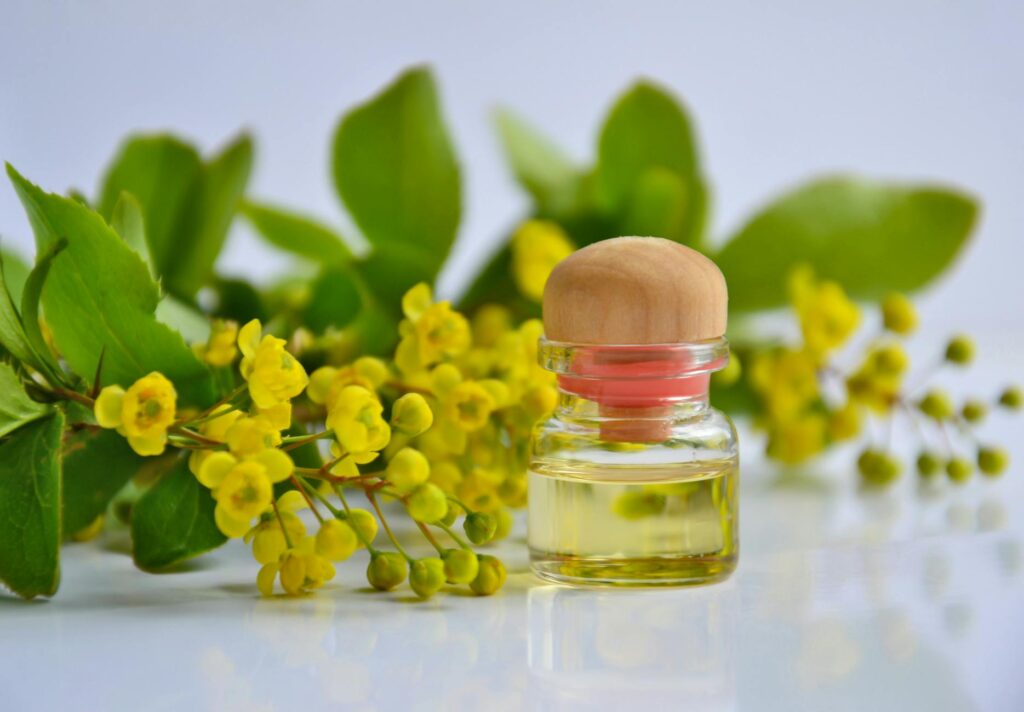
History and Origins of Medicinal Perennials
Introduction
Medicinal perennials have long played a crucial role in traditional medicine systems and are increasingly recognized in modern wellness practices. These plants, characterized by their ability to survive for multiple growing seasons, often possess unique biochemical compounds that contribute to their therapeutic properties. This article delves into the rich history and origins of medicinal perennials, exploring their significance in various cultures, their benefits, and how they are utilized today.
What Is Medicinal Perennials?
Medicinal perennials are plants that can live for three years or more, often exhibiting a range of therapeutic properties. Unlike annuals, which complete their lifecycle in a single year, or biennials, which take two years to mature, perennials establish deep root systems and can regenerate each season. Many of these plants are known for their essential oils, active compounds, and phytochemicals that have been utilized in various forms of traditional and modern medicine.
Examples of well-known medicinal perennials include:
- Echinacea (Echinacea purpurea): Often used to support immune health.
- Lavender (Lavandula angustifolia): Valued for its calming effects and versatility in aromatherapy.
- Ginger (Zingiber officinale): Recognized for its anti-inflammatory properties.
- Anti-inflammatory Effects: Many medicinal perennials have compounds that can reduce inflammation, making them useful for a variety of conditions.
- Antioxidant Properties: These plants often contain antioxidants, which help combat oxidative stress in the body.
- Antimicrobial Activity: Certain perennials exhibit antimicrobial properties, making them valuable in natural remedies for infections.
- Digestive Support: Many medicinal perennials aid digestion and can help alleviate gastrointestinal issues.
- Herbal Teas: Leaves, flowers, and roots of perennials like chamomile and peppermint are often brewed into teas for their soothing qualities.
- Tinctures and Extracts: Concentrated liquid forms of perennials are made by soaking plant material in alcohol or vinegar, extracting the beneficial compounds.
- Topical Applications: Essential oils derived from perennials, such as tea tree or lavender, are often applied to the skin for their healing properties.
- Culinary Uses: Many medicinal perennials, like basil and oregano, are not only used for their flavor but also for their healthful benefits.
- Lavender: Renowned for its calming effects, lavender essential oil is often used to alleviate stress and promote sleep.
- Peppermint: This invigorating oil is commonly used to boost energy and improve focus, making it a favorite in workplaces.
- Frankincense: Often associated with spiritual practices, frankincense has grounding properties and is used to enhance meditation and relaxation.
- Diffusion: Releasing essential oils into the air using a diffuser to create a therapeutic environment.
- Inhalation: Directly inhaling the aroma from the bottle or a cotton ball soaked with essential oil.
- Massage: Diluting essential oils in a carrier oil and applying them to the skin through massage.
- Allergic Reactions: Some individuals may experience allergic reactions to certain plants. Conducting a patch test before topical application is advisable.
- Interactions with Medications: Certain perennials may interact with prescription medications, particularly blood thinners or sedatives. Consulting with a healthcare provider is recommended before combining them.
- Pregnancy and Breastfeeding: While some perennials are considered safe, others may not be suitable for pregnant or breastfeeding women. It is essential to research thoroughly or consult with a professional.
- Essential Oils: Store in dark glass bottles away from sunlight and heat. A cool, dark place is ideal for maintaining potency.
- Dried Herbs: Keep in airtight containers in a cool, dry location to prevent moisture and preserve flavor and aroma. They generally have a shelf life of 1-3 years.
- Tinctures: These should be stored in dark glass bottles and can last for several years if kept in a cool environment.
Key Benefits and Properties
Medicinal perennials are celebrated not only for their longevity but also for their remarkable health benefits. Their active compounds can include alkaloids, flavonoids, terpenes, and glycosides, each contributing to the plant’s therapeutic effects. Some of the key benefits include:
Common Uses
Throughout history, medicinal perennials have been used for a variety of purposes, both in traditional and contemporary practices. Common uses include:
Aromatherapy Applications
Aromatherapy, the practice of using essential oils for therapeutic benefits, has embraced many medicinal perennials. The following are notable examples:
The methods of application in aromatherapy can vary, including:
Safety Considerations
While medicinal perennials offer numerous benefits, it is essential to approach their use with caution. Safety considerations include:
Storage and Shelf Life
The efficacy of medicinal perennials can diminish over time if not stored properly. Here are some guidelines for storage:
Frequently Asked Questions
1. What is the difference between essential oils and herbal extracts?
Essential oils are concentrated volatile compounds extracted from plants, primarily through steam distillation or cold pressing. Herbal extracts are made by soaking plant materials in a solvent (usually alcohol) to draw out beneficial compounds. While both are used for therapeutic purposes, they differ in their composition and method of extraction.
2. Can I use medicinal perennials if I have allergies?
It is crucial to identify any potential allergies before using medicinal perennials. Conducting a patch test for topical applications and consulting with a healthcare provider can help ensure safety.
3. Are there any medicinal perennials that are safe for children?
Many medicinal perennials can be safe for children in appropriate doses, such as chamomile or lavender. However, it is essential to consult a healthcare provider for guidance on safe usage.
4. How can I incorporate medicinal perennials into my daily routine?
You can easily incorporate medicinal perennials by drinking herbal teas, using essential oils in a diffuser, adding fresh herbs to your meals, or applying diluted essential oils as needed. Always start with small amounts to gauge your body’s response.
5. Where can I purchase medicinal perennials?
Medicinal perennials can be found at health food stores, specialty herbal shops, and online retailers. Look for high-quality, organic options when possible to ensure the best therapeutic benefits.
Conclusion
The history and origins of medicinal perennials reveal a profound connection between humans and the natural world. These resilient plants have provided healing for centuries, reinforcing the importance of preserving traditional knowledge while embracing modern practices. As interest in natural remedies continues to grow, understanding the benefits and applications of medicinal perennials can offer valuable insights into holistic well-being.