
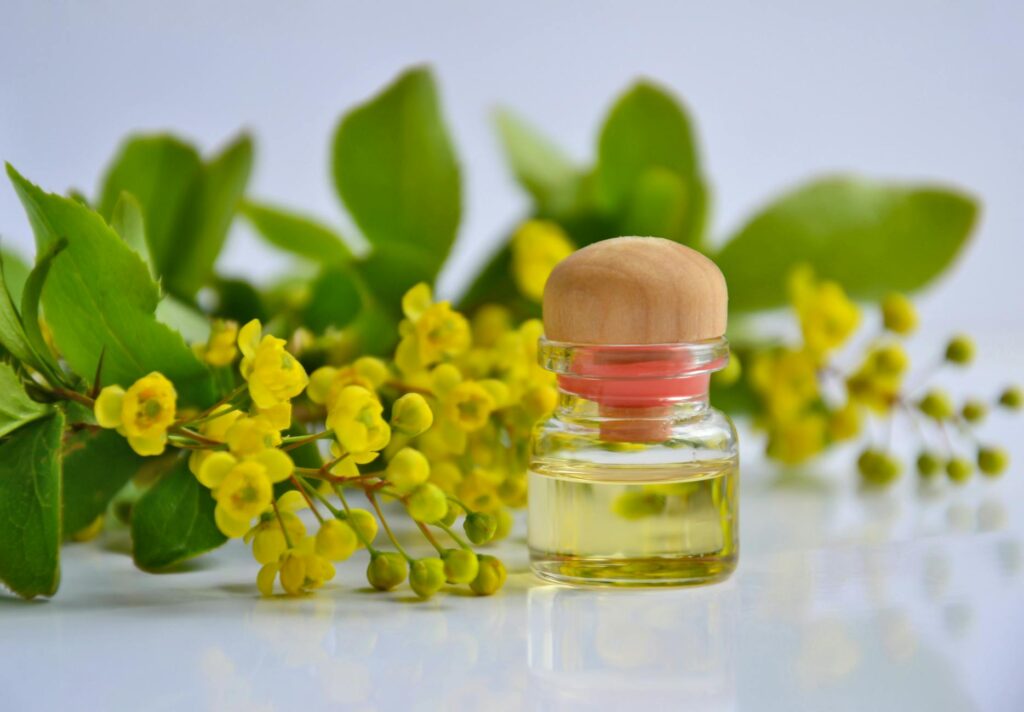
History and Origins of Medicinal Shrubs
Introduction
Medicinal shrubs have played an indispensable role in human health and wellness for thousands of years. From ancient civilizations to contemporary practices, these plants have been utilized for their therapeutic properties and aromatic benefits. This article delves into the history and origins of medicinal shrubs, exploring their significance across cultures, their benefits, and applications in aromatherapy.
What Is Medicinal Shrubs?
Medicinal shrubs are defined as woody plants that possess healing properties and are often used for therapeutic purposes. Unlike trees, which have a single trunk, shrubs typically have multiple stems and are shorter in stature. These plants can be found in various environments around the world and include species such as sage, rosemary, and thyme. Their leaves, flowers, stems, and roots can all hold medicinal properties, making them valuable resources in herbal medicine and aromatherapy.
Key Benefits and Properties
Medicinal shrubs are rich in bioactive compounds, including essential oils, flavonoids, terpenes, and alkaloids, which contribute to their therapeutic effects. Some of the key benefits and properties associated with these plants include:
Antioxidant Properties
Many medicinal shrubs contain high levels of antioxidants, which help combat oxidative stress in the body. This property is essential for overall health, as it may reduce the risk of chronic diseases and support longevity.
Anti-Inflammatory Effects
Several species exhibit anti-inflammatory effects, making them useful for alleviating conditions associated with inflammation, such as arthritis and skin irritations.
Antimicrobial Activity
Many medicinal shrubs possess antimicrobial properties that can inhibit the growth of bacteria, fungi, and viruses. This quality has made them essential in traditional medicine for treating infections.
Calming and Relaxing Qualities
Certain shrubs, such as lavender and chamomile, are known for their calming effects. These plants are often used in aromatherapy to promote relaxation, reduce stress, and improve sleep quality.
Common Uses
Medicinal shrubs have a wide range of applications, both historically and in modern practices. Some common uses include:
Herbal Teas
Many shrubs can be dried and brewed into teas, providing a soothing and health-promoting beverage. For example, chamomile tea is well-known for its calming effects, while peppermint tea aids digestion.
Essential Oils
The extraction of essential oils from medicinal shrubs has become a popular practice in aromatherapy. These oils can be diffused, inhaled, or used in topical applications. For instance, eucalyptus oil is often used for respiratory issues, while tea tree oil is prized for its antimicrobial properties.
Tinctures and Extracts
Medicinal shrubs can be processed into tinctures or liquid extracts, allowing for the concentrated application of their beneficial properties. These preparations are often used in herbal medicine to support various health conditions.
Culinary Uses
Many medicinal shrubs are also used in cooking, contributing flavor and health benefits to dishes. Herbs like rosemary and thyme not only enhance culinary experiences but also offer nutritional advantages.
Aromatherapy Applications
Aromatherapy harnesses the fragrant properties of essential oils derived from medicinal shrubs to promote physical and emotional well-being. Some prominent applications include:
Stress Relief
Essential oils from lavender, sage, and chamomile are commonly used in aromatherapy to reduce stress and anxiety. Inhaling these scents can trigger a relaxation response in the body.
Improved Sleep Quality
Many individuals turn to essential oils derived from medicinal shrubs to enhance sleep quality. Oils like lavender and cedarwood are known for their sedative properties and are often used in bedtime routines.
Mood Enhancement
Certain shrubs, such as bergamot and ylang-ylang, are reputed for their uplifting and mood-enhancing qualities. Diffusing these oils can create a positive atmosphere and improve overall mental well-being.
Respiratory Support
Medicinal shrubs such as eucalyptus and peppermint are frequently employed in aromatherapy to support respiratory health. Their inhalation may help clear congestion and promote easier breathing.
Safety Considerations
While medicinal shrubs offer numerous benefits, it is essential to approach their use with caution. Here are some safety considerations:
Allergic Reactions
Some individuals may be allergic to certain plants. It is advisable to perform a patch test before using essential oils or topical preparations derived from medicinal shrubs.
Dosage and Concentration
When using essential oils or herbal preparations, proper dosage is crucial. Concentrated oils should be diluted before topical application to avoid skin irritation.
Pregnancy and Nursing
Certain medicinal shrubs may not be safe for pregnant or nursing individuals. It is essential to consult a healthcare professional before using any herbal remedies during these periods.
Drug Interactions
Some medicinal shrubs may interact with medications, affecting their efficacy or causing adverse effects. It is critical to discuss any herbal use with a healthcare provider, especially for those on prescription medications.
Storage and Shelf Life
Proper storage of medicinal shrubs, whether in the form of dried herbs, essential oils, or tinctures, is vital for maintaining their efficacy. Here are some guidelines:
Dried Herbs
Dried medicinal shrubs should be stored in airtight containers in a cool, dark place. When stored properly, they can retain their potency for 1-3 years, depending on the specific herb.
Essential Oils
Essential oils should be kept in dark glass bottles to protect them from light degradation. They should also be stored in a cool environment, away from direct sunlight and heat. Most essential oils have a shelf life of 1-3 years, though some may last longer if stored correctly.
Tinctures and Extracts
Tinctures should be kept in dark glass containers and stored in a cool, dark place. They generally have a shelf life of 3-5 years, although some may last longer.
Frequently Asked Questions
1. Can anyone use medicinal shrubs?
While many people can benefit from medicinal shrubs, individuals with specific health conditions, allergies, or those who are pregnant should consult a healthcare professional before use.
2. How do I choose the right medicinal shrub for my needs?
Selecting the right medicinal shrub depends on individual needs and preferences. Researching specific plants and their properties can help guide your choices. It is also helpful to consult with knowledgeable herbalists or healthcare providers.
3. Are there any side effects associated with medicinal shrubs?
Some individuals may experience side effects such as skin irritation or allergic reactions. It’s essential to perform patch tests and consult professionals when unsure.
4. Can I grow medicinal shrubs at home?
Many medicinal shrubs can be grown at home, provided the right conditions are met. They generally require adequate sunlight, well-drained soil, and consistent watering. Herbs like rosemary, thyme, and mint are popular choices for home gardens.
5. How can I incorporate medicinal shrubs into my daily routine?
Medicinal shrubs can be incorporated into your routine through herbal teas, cooking, essential oil diffusers, or topical applications. Experimenting with different forms can yield the best results for individual preferences.
Conclusion
The history and origins of medicinal shrubs illustrate their enduring significance in human health and wellness. With a rich tapestry woven through various cultures and practices, these plants continue to offer valuable benefits today. By understanding their properties, uses, and safety considerations, individuals can effectively incorporate medicinal shrubs into their lives, enhancing their overall well-being.